Stocks Surge to New Heights Amid Diminished Rate Hike Expectations
U.S. equity markets reached all-time highs as recent jobs data eased inflation fears, prompting speculation about Federal Reserve rate hikes. This article explores the implications of this trend for investors.

The U.S. stock market recently achieved new all-time highs, with both the Dow Jones Industrial Average and the S&P 500 reaching unprecedented levels. This surge is largely attributed to a disappointing jobs report for July, which indicated a lack of inflationary pressure in the labor market. As a result, traders recalibrated their expectations regarding interest rate hikes by the Federal Reserve, leading to a shift in market dynamics. With the Dow closing at 54,036 and the S&P 500 at 7,757, investors are left pondering the implications of these developments for their portfolios and the broader economy.
In recent weeks, the financial landscape has been characterized by cautious optimism. The July jobs report, which fell short of analyst expectations, has contributed to a more favorable outlook for stocks. Investors interpreted the data as a signal that the Federal Reserve may adopt a more dovish stance in their monetary policy, reducing the likelihood of imminent interest rate increases. This article will delve deeper into the factors influencing the current market environment, the implications for various sectors, and what investors should consider moving forward.
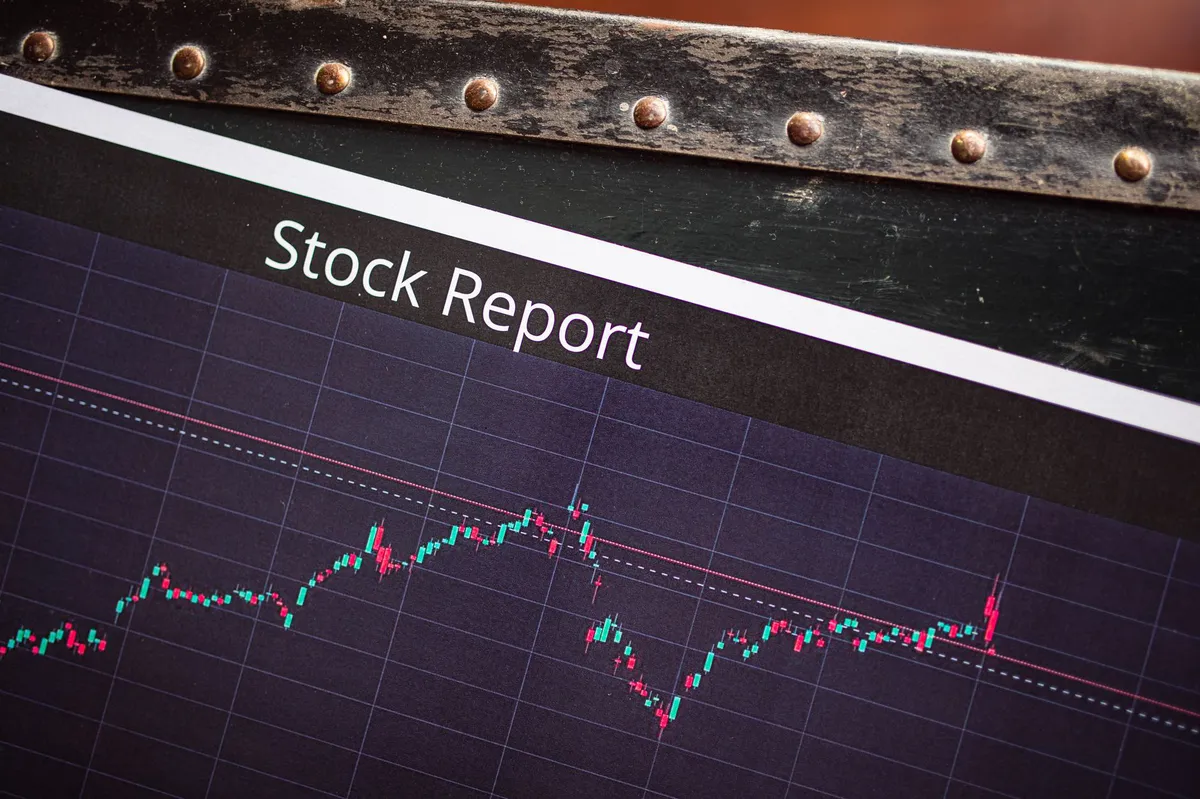
Understanding the Market Reaction
The response of the stock market to the recent jobs report exemplifies the interconnectedness of economic indicators and investor sentiment. Following the release of the July jobs data, the odds of a rate hike during the upcoming Federal Open Market Committee (FOMC) meeting dropped from 55% to 45% in a matter of hours. This shift in expectations is significant because interest rates directly impact borrowing costs, consumer spending, and overall economic growth.
The Jobs Report and Its Implications
The July jobs report revealed a slowdown in hiring, with employers adding fewer jobs than anticipated. Specifically, the report indicated that the economy created 187,000 new jobs, compared to forecasts of around 200,000. Moreover, wage growth remained subdued, with average hourly earnings rising just 0.3% month-over-month. This combination of factors led many analysts to conclude that inflationary pressures were not as pronounced as previously thought.
Impact on Interest Rates
Lower interest rates can stimulate economic activity by making borrowing cheaper for consumers and businesses. The retreat of the 2-year Treasury yield from 4.245% to 4.195% post-report reflects investor confidence that the Fed may maintain a more accommodative monetary policy. Additionally, the 10-year Treasury yield also fell, further indicating reduced inflation expectations. For investors, these changes can impact everything from mortgage rates to the attractiveness of bonds compared to equities.

Sector Performance and Notable Stocks
As the broader market reached new heights, certain sectors and stocks experienced particularly notable performance. The technology sector, in particular, has seen robust gains, with the Nasdaq Composite rising by 1.3% for the day and 5.2% for the week. This rally can be attributed to several key players making headlines.
SpaceX and the Volatile Market
SpaceX's stock (SPCX) has been on a rollercoaster ride since its monumental IPO. After opening at $150 and peaking at $225.64 shortly thereafter, it plummeted to an all-time low of $104.83 before beginning to rebound. This volatility illustrates the high stakes of investing in newly public companies, particularly those with significant hype like SpaceX. The stock's recent 22.8% increase underscores the intense interest from retail investors, who have poured approximately $3.6 billion into the company since its IPO.
Doximity’s AI-driven Surge
In another notable case, Doximity (DOCS), a healthcare technology company, experienced a staggering 32.6% increase in its stock price despite missing revenue expectations. The surge was primarily driven by the company's focus on artificial intelligence (AI) integration in healthcare. CEO Jeff Tangney highlighted the company's ambition to lead in the AI space, a factor that has resonated with investors looking for growth opportunities in tech-centric markets.

What Lies Ahead: Economic Indicators and Market Outlook
Looking forward, investors are advised to keep a close eye on upcoming economic indicators that could shape market sentiment. The Consumer Price Index (CPI) and Producer Price Index (PPI) data for July will be released soon, providing further insight into inflation trends. These reports could either reinforce or challenge the current narrative of a lack of inflationary pressure, influencing the Fed's policy decisions.
Investor Strategies in a Volatile Market
In light of the current market conditions, investors should consider diversifying their portfolios to mitigate risks associated with volatility. Here are some strategies to consider:
- **Stay Informed**: Keep up with economic reports and market news that can impact stock performance.
- **Diversification**: Allocate investments across various asset classes to reduce risk. For example, consider a mix of stocks, bonds, and alternative investments.
- **Focus on Fundamentals**: Look for companies with strong fundamentals and growth potential, particularly in sectors poised for growth like technology and healthcare.
- **Risk Management**: Utilize stop-loss orders to protect investments during periods of increased volatility.
Key Takeaways
- U.S. stocks reached new all-time highs as softer jobs data reduced inflation fears.
- The likelihood of a rate hike by the Federal Reserve has decreased, influencing investor sentiment.
- Notable stocks like SpaceX and Doximity have shown significant volatility and growth potential.
- Upcoming economic indicators like CPI and PPI will be pivotal in shaping market expectations.
- Investors should consider diversification and risk management strategies to navigate current market conditions.
Frequently Asked Questions
What does a decrease in interest rates mean for investors?
A decrease in interest rates generally lowers the cost of borrowing, making loans cheaper for consumers and businesses. This can lead to increased consumer spending and investment, potentially boosting stock prices. For investors, lower interest rates can also make equities more attractive compared to fixed-income investments like bonds, which may offer lower returns in a low-rate environment.
How should I react to market volatility?
Market volatility can be unnerving, but it’s important to remain calm and stick to your long-term investment strategy. Consider reviewing your portfolio to ensure it aligns with your risk tolerance and investment goals. Diversification can help mitigate risks, and it may be wise to avoid making impulsive decisions based on short-term market movements.
What economic indicators should I watch?
Key economic indicators to monitor include the Consumer Price Index (CPI), Producer Price Index (PPI), unemployment rates, and GDP growth. These indicators can provide insight into inflation trends, economic health, and the potential direction of monetary policy, all of which can impact the stock market.
Is now a good time to invest in stocks?
Whether it’s a good time to invest in stocks depends on your individual financial situation, risk tolerance, and investment goals. While the current market may present opportunities, it’s essential to conduct thorough research and consider diversifying your investments. Consulting a financial advisor can also help you make informed decisions based on your unique circumstances.
This content is educational, not financial advice.
Comments
Navigating the Bull Market: Insights from Buffett and Market Trends
With a renewed stock market rally, investors are looking to insights from Warren Buffett’s Berkshire Hathaway. This article explores market dynamics, key earnings reports, and actionable strategies for savvy investing.

Related articles




Popular in Investing
- Navigating the Dismal Landscape of 2026's Worst-Performing ETFs
- Stablecoin Market Faces $10 Billion Decline — What It Means for Investors
- Avantus Secures $525 Million for Major California Solar Project
- Navigating the Pet Stocks Market: Opportunities Amidst Challenges
- Market Turmoil: How Geopolitical Tensions and Earnings Reports Impact Stocks