Stock Market Faces Uncertainty Ahead of Inflation Data and Geopolitical Tensions
As stock markets pull back amid rising oil prices and interest rates, investors are bracing for critical inflation data this week. Geopolitical tensions in the Strait of Hormuz add to the uncertainty, influencing market sentiment and expectations.

The stock market is navigating turbulent waters as it prepares for the upcoming inflation data set to be released this week. With rising oil prices and increasing interest rates, investors are feeling the pressure from both economic indicators and geopolitical tensions, particularly concerning the critical Strait of Hormuz. The road ahead looks uncertain, and the market's reaction will depend heavily on the data expected on consumer and producer prices.
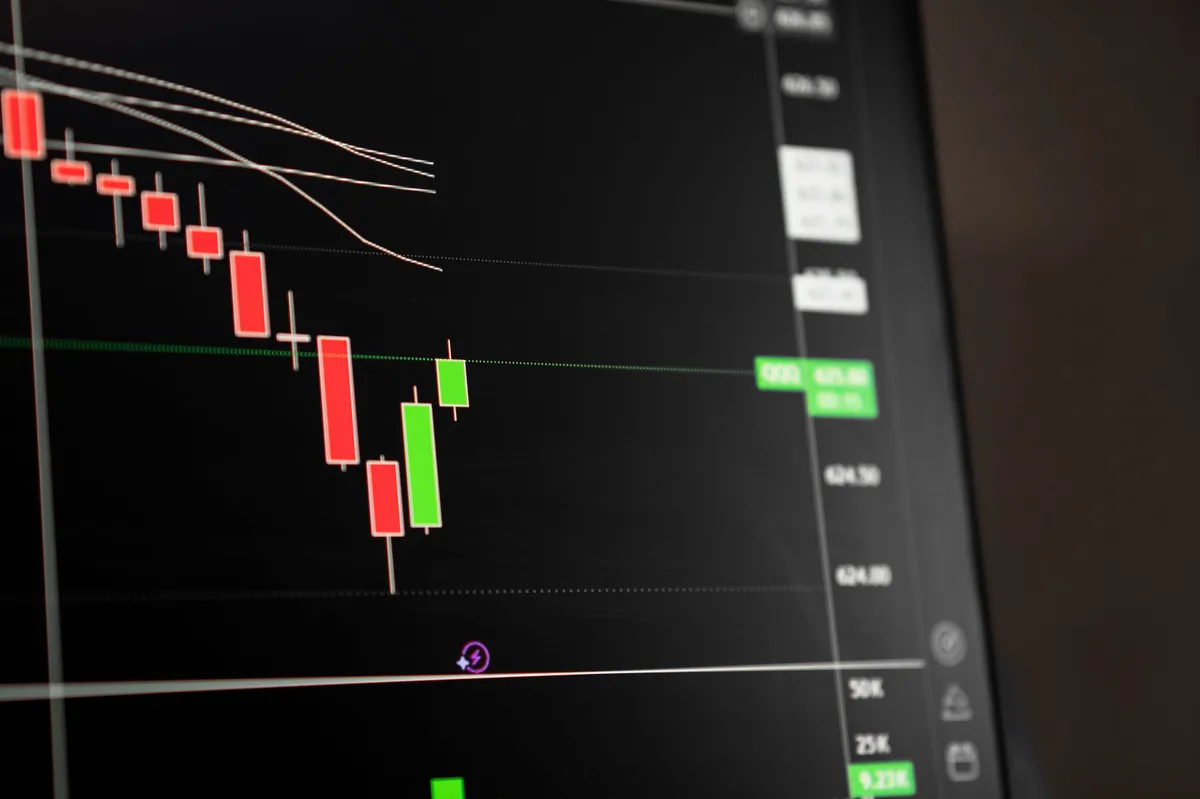
On Monday, major stock indexes witnessed a downturn, reflecting growing apprehension among investors. The rise in oil prices, coupled with a spike in Treasury yields, caused a ripple effect across the financial landscape. With the Federal Open Market Committee (FOMC) scheduled to meet in September, the implications of this week's inflation reports could set the tone for future interest rate decisions.

The Impact of Geopolitical Tensions on Market Sentiment
The Strait of Hormuz, a vital passage for a significant portion of the world's oil supply, has become a focal point of market concern. Negotiations to reopen this strategic waterway have stalled, raising fears that Iran's control over the strait could lead to supply disruptions. This situation has resulted in heightened volatility in oil prices, which surged by 4.9% in one day to reach $82.05 per barrel.
Analysts highlight that the market's enthusiasm for a potential peace deal in the region has been dampened by the lack of tangible progress. Chris Larkin, Managing Director at E*TRADE, notes, "Without a deal on the table, markets may be less likely to respond positively to vague reports about progress in negotiations." This sentiment is particularly critical as investors await the release of inflation data that could further affect market dynamics.
Inflation Data: A Double-Edged Sword
This week, the main event on the economic calendar is the release of the July Consumer Price Index (CPI) report on Wednesday, followed by the Producer Price Index (PPI) data on Thursday. These inflation indicators are crucial in shaping market expectations and Federal Reserve policy decisions.
Analysts suggest that a cooler-than-expected inflation report could alleviate some concerns about a rate hike in September. However, if the inflation data comes in hotter than anticipated, it could reignite fears of aggressive monetary tightening. The July jobs report has already provided some relief, suggesting that the FOMC might maintain its current course, but the upcoming CPI and PPI results will be pivotal.
- Key Inflation Indicators to Watch:
- Consumer Price Index (CPI) - Measures the average change over time in the prices paid by urban consumers for a market basket of consumer goods and services.
- Producer Price Index (PPI) - Measures the average change over time in the selling prices received by domestic producers for their output.
- Core CPI - Excludes food and energy prices, providing a clearer picture of underlying inflation trends.

Market Reactions: A Mixed Bag
The market's response to these economic indicators has been mixed. On Monday, major indexes reflected this uncertainty, with the tech-heavy Nasdaq Composite falling by 0.3% to 26,605, the S&P 500 dipping by 0.06% to 7,753, and the Dow Jones Industrial Average declining by 0.1% to 53,975. These fluctuations underscore the market's sensitivity to economic news and geopolitical developments.
Notably, specific stocks have been impacted more significantly than others. Apple Inc. (AAPL) was one of the Dow's underperformers, dropping 1.5% after Jefferies analysts downgraded the stock from Hold to Underperform. The downgrade was attributed to concerns over the cancellation of the all-glass iPhone model, which they believed would impact Apple's margins and earnings potential. This event illustrates how company-specific news can magnify market volatility.
Berkshire Hathaway: A Bright Spot Amidst Turbulence
In contrast to the broader market trends, Berkshire Hathaway (BRK.B) experienced a 1.5% rally, reaching a new 52-week high. The company's strong operating profit for the second quarter exceeded analysts' expectations, showcasing its resilience in a challenging environment. CEO Greg Abel has been actively deploying Berkshire's cash reserves, increasing the pace of stock buybacks and looking for accretive acquisitions.
Analysts, like Brian Meredith from UBS, have reiterated their Buy rating on Berkshire, raising the target price from $585 to $604. This confidence stems from the company's robust balance sheet and potential upside from operational improvements. Berkshire's ability to navigate through economic headwinds while enhancing shareholder value serves as a case study for investors seeking stability amidst market fluctuations.
Key Takeaways
- Stock markets are reacting to rising oil prices and interest rates amidst geopolitical tensions in the Strait of Hormuz.
- Inflation data set to be released this week could significantly influence Federal Reserve policy decisions and market sentiment.
- Company-specific news, such as Apple's downgrade, can lead to notable stock price volatility.
- Berkshire Hathaway's positive performance highlights the importance of strong management and strategic cash deployment in turbulent times.
Frequently Asked Questions
What are the key economic indicators being released this week?
This week, investors will focus on the July Consumer Price Index (CPI) and Producer Price Index (PPI) reports. These indicators are crucial for understanding inflation trends and will inform the Federal Reserve's decisions on interest rates moving forward. A cooler inflation report could ease concerns about imminent rate hikes, while a hotter report could raise fears of aggressive tightening.
How do geopolitical tensions affect stock prices?
Geopolitical tensions, particularly in oil-producing regions like the Strait of Hormuz, can lead to volatility in stock prices as they impact oil supply and prices. When tensions rise, oil prices often spike, leading to increased costs for consumers and businesses, which can negatively affect economic growth and corporate earnings, thereby influencing stock market performance.
What should investors consider when interpreting inflation data?
Investors should analyze not only the headline numbers but also core inflation metrics that exclude volatile items such as food and energy. Understanding the broader context of inflation data—such as labor market conditions and consumer spending trends—is essential for making informed investment decisions and anticipating potential Federal Reserve actions.
Why might Berkshire Hathaway be performing well in this environment?
Berkshire Hathaway's strong performance can be attributed to its robust operating profit, effective cash management, and strategic stock buyback programs. The company's diversified portfolio and solid financial position provide a buffer against market volatility, making it an attractive option for investors seeking stability amidst uncertainty.
This content is educational, not financial advice.
Comments
Navigating the AI Investing Landscape: Strategies for a Smart Portfolio
As excitement over artificial intelligence (AI) grows, investors face an important question: are we in an AI bubble? This article explores strategies to prepare your investment portfolio for potential volatility while capitalizing on AI's transformative potential.

Related articles




Popular in Investing
- Navigating the Dismal Landscape of 2026's Worst-Performing ETFs
- Stablecoin Market Faces $10 Billion Decline — What It Means for Investors
- Avantus Secures $525 Million for Major California Solar Project
- Navigating the Pet Stocks Market: Opportunities Amidst Challenges
- Market Turmoil: How Geopolitical Tensions and Earnings Reports Impact Stocks