Market Turbulence: Dow Drops Amid Political Tensions and Retail Slump
The Dow Jones and major stock indexes fell as geopolitical tensions rise with President Trump's threats against Iran. Walmart's earnings report further contributed to market instability.

The stock market faced a notable downturn as the Dow Jones Industrial Average and other major indexes slid lower on a tense Thursday morning. This decline was spurred by President Donald Trump's recent threats against Iran, which he labeled as the potential start of the 'most crushing economic operation ever taken against any country.' As geopolitical tensions escalate, investors are reacting to the uncertainty, prompting significant shifts in market behavior.
In addition to these political developments, major retail giant Walmart experienced a sharp decline following its earnings report, which fell short of analysts' expectations. The combined impact of these events has created a turbulent environment for investors, leading to cautious trading as they assess the implications of both international and domestic economic factors.
Geopolitical Tensions Impacting Markets
President Trump's rhetoric surrounding Iran has raised concerns across global markets. The President's comments come amid an already volatile geopolitical climate, where economic sanctions and threats can lead to swift market reactions. Historically, when the U.S. engages in aggressive economic rhetoric, it tends to create uncertainty not only domestically but also among international investors.
The Ripple Effect on Stock Markets
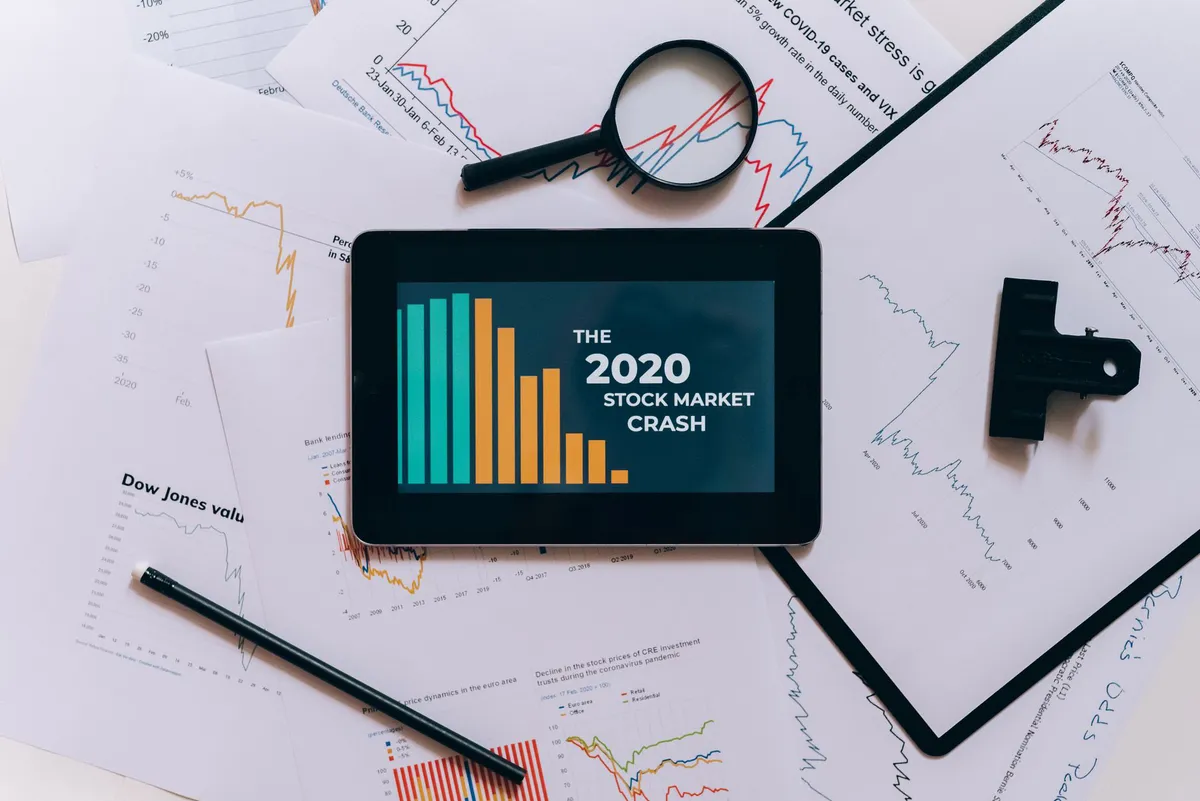
Investors are acutely aware that such threats can lead to increased oil prices, disrupted supply chains, and even military conflict, all of which can have dire consequences for global economic stability. The Dow, which represents a broad cross-section of the American economy, dropped 0.6% shortly after the market opened, reflecting the apprehensive mood. Other indexes, including the S&P 500, followed suit, indicating widespread concern among investors.
Walmart's Earnings Report: A Cause for Concern
Compounding the market's woes, Walmart's recent earnings report revealed disappointing results, leading to a significant dive in its stock price. The retail giant, often seen as a bellwether for the American economy due to its vast footprint and consumer base, reported earnings that failed to meet Wall Street's expectations.
Understanding Retail Performance
When companies like Walmart struggle, it can signal underlying issues in consumer spending and economic health. Analysts had predicted stronger sales figures, especially in a post-pandemic environment where consumer confidence is expected to be on the rise. However, any sign of weakness can lead to broader concerns about the retail sector and its impact on the economy.
Walmart's stock performance is particularly significant given its size; a decline in its share price can have a cascading effect on the overall market. As one of the largest employers in the U.S. and a key player in the retail sector, its fortunes are closely watched by investors and economists alike. The dip in its stock price could also reflect changing consumer behavior, with more shoppers gravitating toward online shopping and away from traditional brick-and-mortar stores.

Investor Sentiment and Future Outlook
The combination of geopolitical tensions and disappointing retail earnings has cast a shadow over market sentiment. Investors are advised to remain vigilant and consider diversifying their portfolios to mitigate risks associated with potential market volatility. Given the current climate, there are several strategies that investors might adopt:
- Stay Informed: Keep abreast of international news and domestic economic indicators.
- Diversify Investments: Consider spreading investments across various sectors to reduce risk.
- Focus on Fundamentals: Evaluate the financial health and earnings potential of companies before investing.
- Be Cautious: In times of uncertainty, it may be wise to adopt a more conservative investment strategy.
As the situation evolves, it will be crucial for investors to monitor not only the immediate effects of Trump's statements and Walmart's performance but also the broader implications for the economy as a whole.

Key Takeaways
- The Dow Jones and S&P 500 experienced declines due to geopolitical tensions with Iran.
- Walmart's disappointing earnings report contributed to market instability.
- Investors should consider diversifying their portfolios and staying informed about market trends.
Frequently Asked Questions
What factors influence stock market fluctuations?
The stock market is influenced by a variety of factors, including economic indicators such as employment rates, inflation, and consumer spending. Geopolitical events, corporate earnings reports, and changes in government policy can also have significant effects. When investors feel uncertain about the future, they may pull back on spending and investment, leading to market declines.
How should investors respond to market volatility?
During periods of market volatility, it is advisable for investors to remain calm and avoid making impulsive decisions based on short-term fluctuations. A well-thought-out investment strategy that includes diversification can help mitigate risks. Additionally, staying informed about market trends and economic indicators can provide valuable context for making investment decisions.
What does Walmart's earnings report indicate about the retail sector?
Walmart's earnings report is often viewed as a leading indicator of consumer behavior and retail health. A decline in earnings may suggest that consumers are tightening their spending, which could signal broader economic challenges. Conversely, strong earnings from Walmart could indicate robust consumer confidence and spending patterns, reflecting positively on the retail sector as a whole.
Can geopolitical tensions really affect my investments?
Yes, geopolitical tensions can significantly impact investments. Such events can lead to increased market volatility, changes in commodity prices (like oil), and shifts in consumer sentiment. Investors should be aware of how international relations can influence economic conditions and market performance, as these factors can create both risks and opportunities for their investment strategies.
Disclaimer: This content is educational, not financial advice.
Comments
Is Your Family Office Eroding Your Wealth? Key Metrics to Measure Success
Managing wealth through a family office can be challenging. Discover the importance of measuring investment returns and how to optimize family wealth management.

Related articles






Popular in Investing
- Navigating the Dismal Landscape of 2026's Worst-Performing ETFs
- Stablecoin Market Faces $10 Billion Decline — What It Means for Investors
- Cotton Futures Surge Despite Increased Production Forecasts
- Avantus Secures $525 Million for Major California Solar Project
- Navigating the Pet Stocks Market: Opportunities Amidst Challenges