Alibaba's $10 Billion Share Placement: Implications for Investors and AI Growth
Alibaba's recent $10.2 billion share sale in a bid to bolster its AI initiatives has significant implications for investors and the tech landscape. This move, while aimed at fueling innovation, has led to a decline in its stock price.
In a strategic move aimed at enhancing its position in the competitive AI landscape, Alibaba Group has announced a significant share placement worth approximately $10.2 billion. This announcement, made on August 21, 2026, has stirred mixed reactions in the financial markets, particularly affecting Alibaba's stock performance in the U.S. trading sessions. Priced at 112.70 Hong Kong dollars per share, the placement consists of 710 million new shares targeted primarily at non-U.S. investors. While this capital infusion is intended to accelerate Alibaba's artificial intelligence initiatives, the immediate impact has been a noticeable dip in its stock price.
This substantial fundraising effort arrives at a time when tech companies worldwide are scrambling to tap into the burgeoning AI market. With numerous players vying for dominance, Alibaba's decision to raise capital is both a response to market trends and a necessary step to maintain competitiveness. However, the reaction from investors has been cautious, raising questions about the long-term implications of such a large share issuance.
Understanding the Market Dynamics
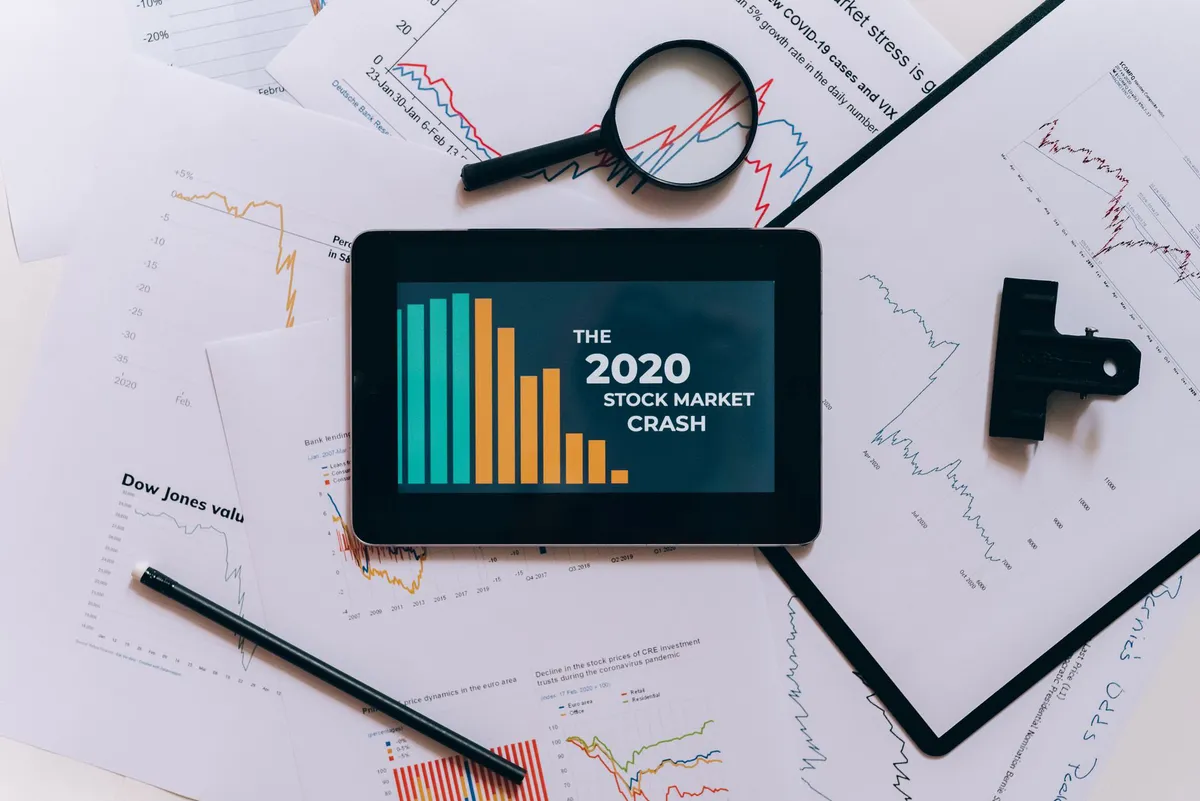
The tech industry is no stranger to volatility, and Alibaba's recent actions are emblematic of broader trends within the sector. The decision to issue new shares can often lead to a dilution of existing shareholders’ equity, which is particularly concerning when investors perceive that the capital raised may not generate proportional returns. As a result, the stock fell sharply in response to the announcement.
The AI Race
The ongoing race to dominate AI technology has intensified competition among major tech firms. Companies like Google, Microsoft, and Amazon have made substantial investments in AI, and Alibaba is eager to catch up. The $10 billion raised through this share sale is earmarked for research and development in AI, cloud computing, and other transformative technologies. However, investors are wary; they want to see tangible results from such investments.
What This Means for Investors
For current and potential investors, the implications of Alibaba's share placement are multifaceted:
- Stock Dilution: The introduction of new shares can dilute existing shareholders' stakes, potentially leading to a decrease in per-share value.
- Market Sentiment: Investor sentiment can significantly influence stock prices. The initial negative reaction suggests caution among investors regarding Alibaba's future profitability.
- AI Investment Potential: While the short-term outlook may be shaky, the long-term potential in AI could yield significant returns if Alibaba successfully leverages its investments.
- Geopolitical Factors: As a Chinese company, Alibaba faces unique challenges and scrutiny from both domestic and international regulators, which can affect investor confidence.

Long-Term Prospects and Challenges
Despite the immediate stock price decline, Alibaba's focus on AI represents a strategic pivot that could bear fruit in the long run. The global AI market is projected to grow exponentially, with estimates suggesting it could reach $1 trillion by 2028. For Alibaba, positioning itself as a leader in this space is essential.
Regulatory Environment
However, navigating the regulatory landscape in China and beyond remains a significant challenge. Increased scrutiny from regulators could hinder Alibaba's ability to execute its AI strategies effectively. A recent crackdown on tech companies in China raises questions about the sustainability of such investments, impacting investor confidence and decision-making.
Final Thoughts: Where Do We Go From Here?
Alibaba's $10.2 billion share sale is a bold move in the quest for AI supremacy, but it brings with it a host of risks and uncertainties. For investors, the key will be to monitor how effectively Alibaba deploys the raised capital and whether it can deliver the anticipated innovations in AI. As the tech landscape evolves, keeping a close eye on market trends and regulatory developments will be crucial in assessing the viability of investing in Alibaba moving forward.

Key Takeaways
- Alibaba's share placement: The company raised $10.2 billion through a new share issue.
- Stock market reaction: Alibaba's stock fell following the announcement, raising concerns over dilution.
- AI investment focus: The funds will primarily support Alibaba's AI initiatives amidst a competitive landscape.
- Long-term potential: The success of this strategy hinges on effective capital deployment and market conditions.
Frequently Asked Questions
What are the risks associated with investing in Alibaba after this share placement?
Investing in Alibaba carries several risks, particularly after the announcement of a large share issuance. The primary concern is stock dilution, which can reduce the ownership percentage of existing shareholders. Additionally, the company's reliance on AI technology makes it vulnerable to market fluctuations and regulatory scrutiny. Investors should consider these factors carefully and assess their risk tolerance before investing.
How does the AI market growth impact Alibaba's business strategy?
The rapid growth of the AI market directly influences Alibaba's business strategy, prompting the company to allocate significant resources toward AI development. By investing in AI, Alibaba aims to innovate its product offerings and improve operational efficiency, which can enhance its competitive edge. However, the company must also manage the associated risks and uncertainty within the tech sector.
What should investors watch for in Alibaba's future performance?
Investors should keep an eye on several key indicators regarding Alibaba's future performance. These include the successful implementation of AI initiatives, revenue growth from cloud services, and the company's ability to navigate regulatory challenges. Additionally, monitoring broader market trends and investor sentiment will provide insights into Alibaba's potential stock performance.
Are there any alternatives to investing in Alibaba?
For investors looking for alternatives to Alibaba, several other tech companies are actively investing in AI and may offer similar growth potential. Companies like Microsoft, Google, and Amazon are also heavily involved in AI technology and cloud services. Additionally, investing in AI-focused exchange-traded funds (ETFs) can provide diversified exposure to the sector without the risks associated with a single company. Researching various options is essential for making informed investment decisions.
This content is educational, not financial advice.
Comments
Nvidia's Earnings: What Investors Need to Know Ahead of Q2 Results
As Nvidia prepares to report its fiscal Q2 earnings, expectations run high due to surging demand for AI technology. This article delves into analyst predictions, market reactions, and the implications for investors.
Related articles






Popular in Investing
- Navigating the Dismal Landscape of 2026's Worst-Performing ETFs
- Stablecoin Market Faces $10 Billion Decline — What It Means for Investors
- Cotton Futures Surge Despite Increased Production Forecasts
- Avantus Secures $525 Million for Major California Solar Project
- Navigating the Pet Stocks Market: Opportunities Amidst Challenges