The Great Junk Transfer: Embracing Meaning Over Material in Inheritance
A recent study reveals a significant shift in how heirs view inheritance, prioritizing meaningful connections over material possessions. This article explores the implications of this trend and offers practical guidance for families navigating estate transitions.

The way we think about inheritance is changing dramatically. Gone are the days when passing down an entire household full of possessions was considered the ultimate expression of love and legacy. Today, a significant portion of heirs is re-evaluating what truly matters. A revealing study dubbed "The Great Junk Transfer" highlights that 51% of people prefer to inherit only a few intentional items imbued with personal significance rather than a cluttered attic filled with the remnants of a loved one’s life. This shift underscores a broader cultural transformation in how we perceive value and memory in the context of inheritance.
As Dr. Blaise Aguirre, an Assistant Professor of Psychiatry at Harvard Medical School, observes, the objects that once symbolized status and care have lost their meaning for many in the next generation. Instead of wanting to acquire a mahogany dining set or an extensive collection of fine china, heirs are increasingly seeking items that tell personal stories. This article delves into the findings of this study, its implications for families, and provides practical advice for those navigating the complex emotional terrain of inheritance.

What Heirs Really Want: Stories Over Stuff
The research conducted by 1-800-GOT-JUNK? reveals a stark reality: when faced with the death of a loved one, many heirs are more burdened by the thought of sorting through a lifetime’s worth of belongings than they are excited about the prospect of receiving them. In fact, 54% of respondents expressed a desire to inherit fewer possessions, emphasizing the importance of sentimental value. Some of the most cherished items, according to the survey, are those that evoke memories rather than mere aesthetics. This trend suggests a fundamental change in how we view material possessions.
What Items Hold Meaning?
The survey highlighted several categories of items that heirs value for their emotional resonance:
- Handwritten Recipes: Recipes passed down through generations often become a family’s culinary legacy, carrying memories of shared meals and family gatherings.
- Worn Jewelry or Watches: Personal items like a parent’s favorite watch can evoke strong memories, serving as a tangible reminder of their presence.
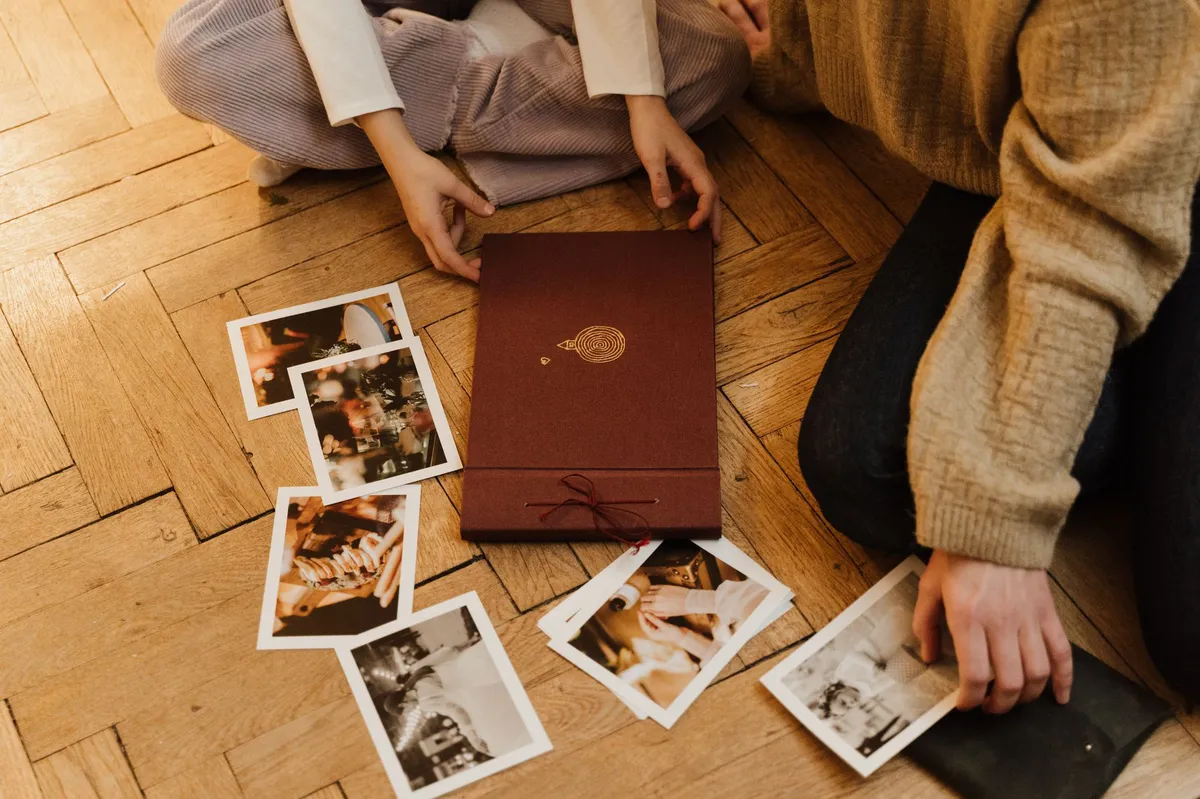
- Photo Albums: These archives capture family milestones and history, making them invaluable treasures. Digitizing these photos can preserve them for future generations.
- Single Favorite Items: Simple everyday objects, like a mug or a blanket, can hold deep emotional significance.
The Emotional Burden of Clutter
Interestingly, nearly half of Americans surveyed would prefer to inherit nothing at all rather than tackle the daunting task of clearing out a deceased relative’s home. For those who have taken on this responsibility, the process can be emotionally taxing. On average, families spend about 17 days sorting through a loved one’s belongings, and many report discovering items that hold unexpected sentimental value—like a hard drive containing thousands of family photos or important documents.
This emotional burden can be compounded by guilt and the fear of letting go of items that may have once meant something to the deceased. However, Dr. Aguirre emphasizes that memories are not contained within objects; rather, they exist in the heart and mind of those who remember. Therefore, it is essential to create a framework for navigating this process thoughtfully.

Four Essential Strategies for Navigating Inheritance
As families confront the realities of estate transitions, a proactive approach can mitigate feelings of guilt and stress. Here are four strategies to facilitate a smoother handoff of belongings:
1. Start the Conversation Early
Engage your family in discussions about what items hold value to them long before the need arises. By initiating these conversations, you can better understand what your loved ones cherish and what they would prefer to leave behind. A simple question, such as, "What are one or two things in this house that you would love to keep?" can reveal surprising insights.
2. Aim for a “Top 10” List
Encourage family members to curate a list of their top 5 to 10 items that carry personal significance. This exercise emphasizes quality over quantity, allowing families to focus on what truly matters while helping to lighten the load.
3. Separate Sentimental Value from Everyday Utility
Not every object with sentimental value is practical for modern living. For instance, an ornate oak wardrobe may be a beautiful piece, but if no one has space for it, it’s just an obstacle. Distinguishing between emotional attachments and practical needs is key.
4. Give Each Other Permission to Let Go
Remind your loved ones that letting go of physical items does not mean losing memories. Consider donating items, gifting them to friends, or hiring a removal team to facilitate the process. This not only clears space but also creates room for new memories.

Why Meaning Matters More Than Ever
Ultimately, a person’s legacy shouldn’t be quantified by the volume of possessions they leave behind. Instead, the emotional weight of a few cherished items can far outweigh a house full of things that hold little meaning. By prioritizing memories over material goods, families can cultivate deeper connections and preserve the love that transcends generations.
As we navigate the complexities of inheritance, embracing the idea of quality over quantity can foster healthier family dynamics and ensure that the true essence of a loved one’s legacy lives on, unencumbered by clutter.
Key Takeaways
- Modern heirs prefer meaningful items over clutter.
- Sentimental value trumps material possessions in inheritance discussions.
- Open conversations and lists can ease the burden of estate transitions.
- Letting go of items does not equate to losing memories.
- Quality, not quantity, defines a cherished legacy.
Frequently Asked Questions
What should I do if I inherit items I don’t want?
If you find yourself in possession of items you don’t wish to keep, it’s essential to approach the situation with sensitivity. Consider donating them to charities, giving them to friends or family who may appreciate them, or selling them. The key is to ensure that the items are treated respectfully, as they may hold sentimental value for others.
How can I initiate conversations about inheritance with my family?
Start by sharing your own thoughts on what items hold meaning for you and invite your family to share their perspectives. Framing the conversation positively—emphasizing the importance of memories and connection—can help create a supportive environment where everyone feels comfortable discussing their wishes.
What if my family disagrees on what to keep?
Disagreements can arise when multiple family members have strong attachments to certain items. In such cases, it’s crucial to approach the discussion with empathy and understanding. Consider using a neutral third party, like a mediator, to facilitate the conversation, or suggest a lottery system where each family member draws lots to decide who keeps specific items.
Is it normal to feel guilty about letting go of inherited items?
Yes, feeling guilty about letting go of inherited items is a common emotional response. It’s important to remember that the memories associated with those items live on in your heart and mind, and that letting go of physical possessions does not diminish the significance of those memories.
Disclaimer: This content is educational and not financial advice.
Comments
Understanding Financial Independence: The Key to Smart Retirement Planning
Financial independence and retirement are often confused, but understanding their differences is crucial for effective financial planning. Here’s why clarity matters and how to navigate your path wisely.

Related articles


Popular in Retirement
- Understanding Trump Accounts: A New Investment Opportunity for Kids
- The Impending Crisis: Social Security Reform and Its Economic Ripple Effects
- Navigating Long-Term Care Insurance: Flexible Alternatives for a Secure Future
- Balancing AI and Employee Loyalty: A Guide for Small Business Owners
- Navigating Retirement: Overcoming Doubts and Embracing Change