What Celebrities Teach Us About Inheritance: Insights from Buffett to Beyoncé
As the Great Wealth Transfer unfolds, celebrities share valuable lessons on inheritance. Learn how figures like Warren Buffett, Shaquille O'Neal, and more approach the complex topic of passing down wealth.
The Great Wealth Transfer is upon us, with an estimated $124 trillion expected to change hands in the United States between 2024 and 2048. This monumental shift in wealth from baby boomers and the Silent Generation to younger generations and charitable organizations presents both opportunities and challenges. Among the influential figures weighing in on inheritance are celebrities such as Warren Buffett, Shaquille O'Neal, and Beyoncé. Their perspectives not only reflect personal philosophies but also offer valuable lessons for families navigating the often-taboo subject of passing down wealth.
Discussions about inheritance can be uncomfortable; a recent survey indicated that nearly two in five families have yet to formulate an inheritance strategy. Yet, as the impending transfer of wealth looms, it is crucial for families to engage in these conversations. Understanding how to effectively pass on wealth—and the responsibilities that come with it—can help prevent conflicts, manage expectations, and ultimately create a sustainable financial legacy.
Warren Buffett: The Importance of Communication
Warren Buffett, the Oracle of Omaha and one of the world's most successful investors, emphasizes the need for open dialogue about inheritance. In a letter to Berkshire Hathaway shareholders, he stated, "Be sure each child understands both the logic for your decisions and the responsibilities they will encounter upon your death." This insight is particularly poignant as families often shy away from discussing financial matters, partly due to discomfort with mortality and the complexities of wealth management.
Buffett's philosophy extends to the nature of wealth itself. He famously noted, "Leave the children enough so that they can do anything but not enough that they can do nothing." This statement encapsulates his belief in fostering independence and responsibility among heirs. Rather than simply bequeathing his vast fortune—over 99% of his net worth—Buffett has committed to donating his wealth to charitable foundations, showcasing the idea that wealth should serve a greater purpose.

Shaquille O'Neal: Setting Educational Standards
NBA legend Shaquille O'Neal adopts a unique approach to inheritance, demonstrating that wealth can be tied to educational achievements. With an estimated net worth of $500 million, O'Neal has made it clear that his six children must earn their inheritance through education. "In order to get my cheese, you have to present me with two degrees," he stated in a 2022 interview. This requirement not only motivates his children but also instills a sense of responsibility and ambition.
O'Neal's approach reveals an important aspect of wealth transfer: the significance of teaching financial literacy and encouraging career aspirations. By promoting the idea that education is a pathway to financial success, he is contributing to the development of generational wealth that goes beyond mere monetary inheritance.
Jay-Z and Beyoncé: Creating Generational Wealth
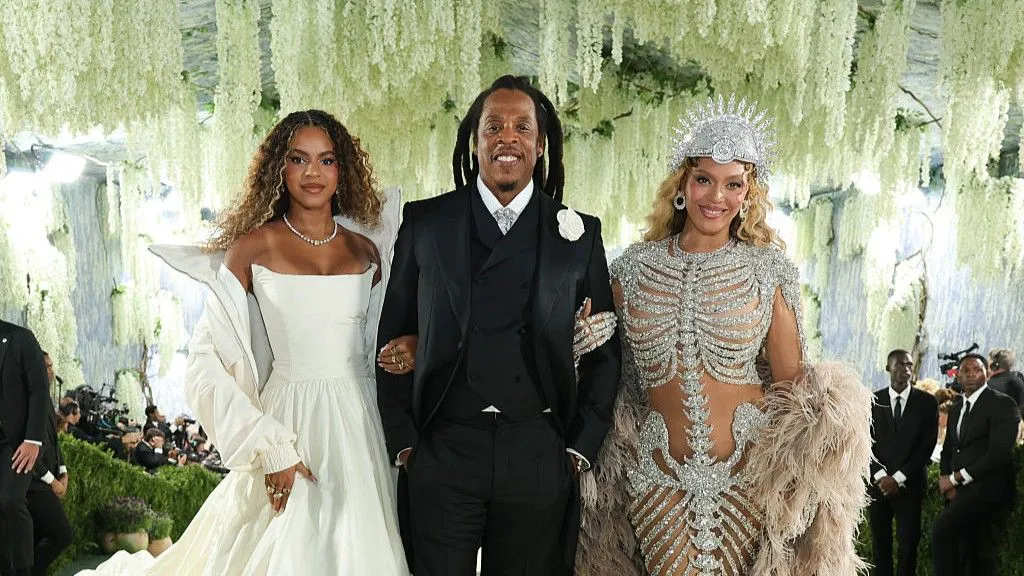
Power couple Jay-Z and Beyoncé, who together have a fortune nearing $4 billion, offer insights into the importance of creating generational wealth. While they may not publicly discuss their estate planning, their music often contains themes of financial empowerment and legacy. In Jay-Z's song "Legacy," he addresses the necessity of sharing wealth among family members, indicating a commitment to ensuring that their children and extended family benefit from their success.
Beyoncé echoes this sentiment in her collaborative track "BOSS," where she declares, "My great-great-grandchildren already rich." This focus on generational wealth underscores the couple's intention to build a lasting financial legacy that extends well beyond their lifetimes. Their emphasis on financial education and entrepreneurship illustrates how wealth can be utilized to empower future generations.

Dave Ramsey: Wealth and Wisdom
Financial advisor and media personality Dave Ramsey offers a pragmatic perspective on inheritance. He asserts that while half of parents expect to leave a meaningful inheritance, they should not feel obligated to do so. Instead, Ramsey stresses the importance of imparting wisdom along with wealth. "Too many families pass down dollars without ever passing down discipline," he argues, highlighting that financial discipline and knowledge are essential for sustaining wealth across generations.
Ramsey encourages parents to teach their children about money management, ensuring that any inheritance is accompanied by the skills necessary to handle it responsibly. "That's how you honor their gift," he states, emphasizing that responsible stewardship of inherited wealth reflects respect for the legacy left behind.

Suze Orman: Letting Go of Sentimental Attachments
Financial expert Suze Orman provides a candid viewpoint on inheritance, particularly regarding the emotional attachments that can complicate financial decisions. She advises against holding onto inherited investments simply for sentimental reasons. "You cannot keep your family alive by keeping the investments they left you," she cautions. Instead, Orman advocates for evaluating inherited assets and making informed decisions about their future.
Her perspective emphasizes the importance of treating inherited wealth as a tool for growth rather than a relic of the past. By making wise investment choices, heirs can honor their loved ones while ensuring that their financial legacy continues to thrive.
Key Takeaways
- Open Communication: Families should engage in discussions about inheritance to manage expectations and prevent misunderstandings.
- Education Matters: Tying inheritance to educational achievements can foster responsibility and ambition among heirs.
- Generational Wealth: Creating and sustaining wealth is essential for future generations; it's not just about passing down money.
- Teach Financial Literacy: Inheriting wealth should come with the knowledge of how to manage and grow it.
- Let Go of Sentiment: Heirs should evaluate inherited assets critically, focusing on growth rather than emotional attachment.
Frequently Asked Questions
Why is it important to discuss inheritance with family?
Discussing inheritance is crucial as it helps manage expectations and prevents potential conflicts among family members. Open communication can clarify the intentions behind wealth distribution, allowing heirs to understand their responsibilities. It also provides an opportunity to teach financial literacy and instill values related to wealth management, ensuring a smoother transition during a challenging time.
How can I ensure my children are prepared for an inheritance?
To prepare your children for an inheritance, focus on teaching them financial literacy and responsible money management from an early age. Encourage discussions about finances, set expectations regarding their future responsibilities, and consider tying inheritance to educational achievements or milestones. This approach not only prepares them for the financial aspects but also instills a sense of purpose and motivation.
What should I do with inherited assets?
When you inherit assets, it's essential to evaluate their current value and relevance, rather than retaining them out of sentiment. Consider consulting with a financial advisor to determine the best course of action—whether to sell, invest, or hold onto the assets. The goal should be to honor the legacy of the person who left the assets while making informed decisions that align with your financial goals.
How can I create generational wealth for my family?
Creating generational wealth involves a combination of smart financial planning, investment, and education. Start by establishing a solid financial foundation, such as saving and investing wisely. Teach your children about financial responsibility, and consider setting up trusts or investment accounts in their names. By instilling the importance of financial literacy and responsible stewardship, you can help ensure that your family's wealth grows over time.
This content is educational and not financial advice.
Comments
Understanding Financial Independence: The Key to Smart Retirement Planning
Financial independence and retirement are often confused, but understanding their differences is crucial for effective financial planning. Here’s why clarity matters and how to navigate your path wisely.

Related articles



Popular in Retirement
- Understanding Trump Accounts: A New Investment Opportunity for Kids
- The Impending Crisis: Social Security Reform and Its Economic Ripple Effects
- Navigating Long-Term Care Insurance: Flexible Alternatives for a Secure Future
- Balancing AI and Employee Loyalty: A Guide for Small Business Owners
- Navigating Retirement: Overcoming Doubts and Embracing Change