The 401(k)-Rich and Cash-Poor Retirement Trap: What You Need to Know
Many retirees face the risk of being cash poor despite having substantial 401(k) assets. This article explores the dangers of this scenario, offers strategies to mitigate risks, and highlights the importance of cash reserves.
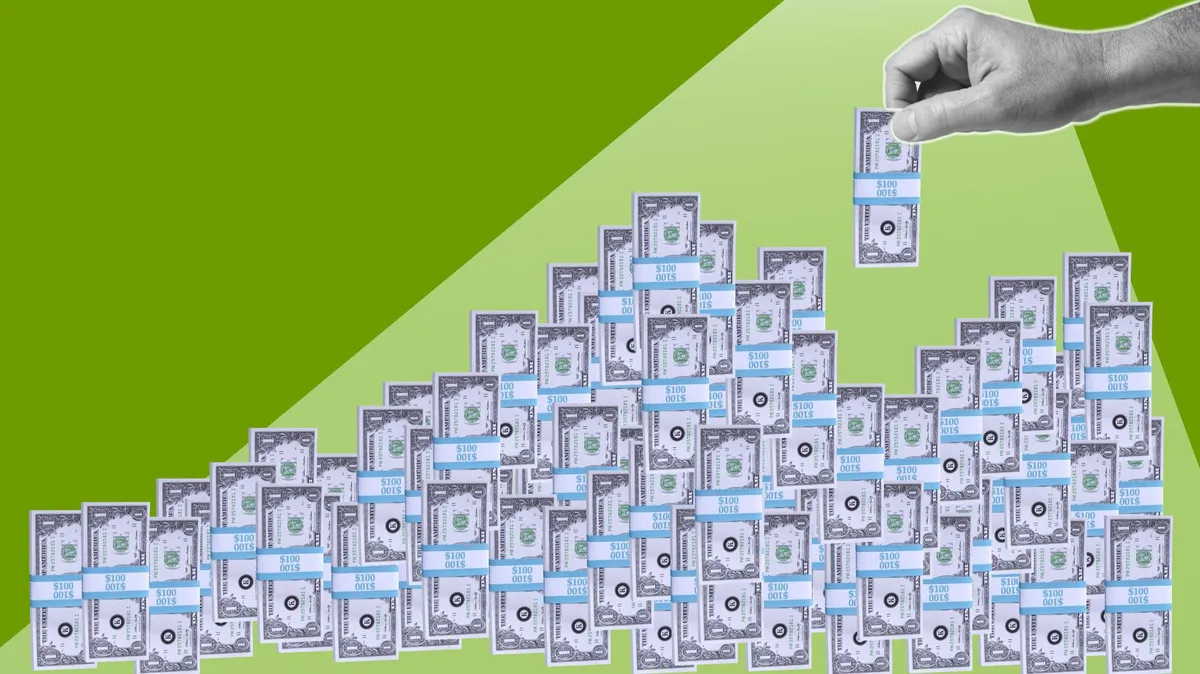
As retirement approaches, many Americans find themselves in a paradoxical situation: they are 401(k)-rich but cash-poor. This scenario, while seemingly beneficial at first glance, can create significant risks that threaten financial stability during retirement. Just as homeowners can be 'house poor'—spending so much on their mortgage that they struggle with daily expenses—retirees can become trapped in a cash crunch, unable to access liquid funds when they need them the most. Without adequate cash reserves, unexpected expenses can force retirees to withdraw funds from their retirement accounts at inopportune times, leading to a series of financial pitfalls.
The core of the issue lies in the liquidity of assets held in traditional retirement accounts like 401(k)s. While these accounts are designed to accumulate wealth for retirement, they often lack the immediate accessibility required for managing everyday costs or unexpected emergencies. In this article, we will delve into the risks associated with being cash-poor in retirement, explore the recommendations from financial experts, and provide actionable strategies to ensure your retirement is both secure and flexible.
The Hidden Risks of a Cash-Poor Retirement
Retirement planning is not solely about accumulating wealth; it also involves ensuring that those assets can be accessed efficiently when needed. The most significant risks associated with being 401(k)-rich and cash-poor include:
- Tax Implications: Withdrawals from traditional 401(k) accounts are taxed as ordinary income. This means that if you need to withdraw a large sum of money, not only will you face the immediate tax burden, but you might also inadvertently push yourself into a higher tax bracket.
- Sequence of Returns Risk: Retirees withdrawing funds during market downturns may find themselves selling investments at a loss. This can deplete their retirement savings faster than expected, locking in losses and significantly reducing the potential for future growth.
- Reduced Flexibility: Relying heavily on a 401(k) for cash flow limits your ability to craft a tax-efficient withdrawal strategy. Without a diversified approach to asset allocation, you may find it challenging to manage your income effectively.

Understanding Liquidity and Its Importance
Liquidity refers to how easily an asset can be converted into cash without significantly impacting its value. In retirement, having a liquidity cushion is crucial for managing expenses, especially during market fluctuations. Financial planners typically recommend that retirees maintain a cash reserve that covers one to three years of living expenses. This strategy allows retirees to navigate financial uncertainties without being forced to sell investments at a loss.
The Three-Bucket Strategy
To address the need for liquidity, financial advisors often suggest the three-bucket approach:
- Emergency Savings Bucket: This bucket should contain liquid cash or cash-equivalents to cover unexpected expenses.
- Goals Bucket: This bucket holds savings for specific goals, such as a major purchase or travel.
- Retirement Bucket: This bucket is where long-term investments are made, primarily within tax-advantaged accounts like 401(k)s.
In an ideal scenario, your emergency savings bucket exists outside of your retirement accounts to avoid triggering taxes on withdrawals. However, statistics reveal that over half of Americans do not have enough savings to cover a $1,000 emergency expense. This lack of liquidity can lead to a dangerous reliance on retirement funds when emergencies arise.

Strategies for Building a Cash Reserve
For those who find themselves with insufficient cash reserves, several strategies can help build a safety net:
Rebalance Your Portfolio
Reassessing your investment portfolio can create cash reserves without incurring significant losses. If your equity holdings have outperformed, consider selling some of those assets to bolster your cash reserves. This strategy allows you to capitalize on gains while ensuring that you have liquid cash available for emergencies.
Consider Roth IRA Conversions
Converting funds from a traditional 401(k) to a Roth IRA allows for tax-free withdrawals in retirement. Although this conversion is a taxable event, it can provide greater flexibility in managing cash flow and tax liabilities in the long run. It’s essential to consult a financial advisor to understand the implications of such conversions fully.
Invest in Short-Term Treasuries
If you have sufficient emergency funds but want to replenish your cash reserves for future needs, consider purchasing short-term U.S. Treasury bonds. Holding these bonds to maturity can provide a reliable yield while ensuring that funds are available when needed.
Establish a Savings Plan
Building a robust emergency fund takes time and discipline. By adjusting your budget to allocate funds to a high-yield savings account or a taxable brokerage account, you can gradually create the liquidity you need. This may not happen overnight, but a strategic savings plan will pay off in the long run.
Key Takeaways
- Many retirees risk being cash-poor despite substantial 401(k) assets, threatening their financial security.
- Maintaining a cash reserve equal to one to three years of living expenses helps manage liquidity risks.
- Tax implications of 401(k) withdrawals can significantly impact your net income during retirement.
- Strategies like portfolio rebalancing and Roth conversions can bolster your liquidity without incurring significant losses.
Frequently Asked Questions
What is the best way to build an emergency fund for retirement?
The best approach to building an emergency fund for retirement is through consistent savings. Aim to set aside a portion of your income in a high-yield savings account or a liquid investment account. It’s crucial to prioritize these savings as part of your overall retirement strategy, ideally reaching a target of one to three years of living expenses.
How can I avoid unnecessary taxes on 401(k) withdrawals?
To minimize taxes on 401(k) withdrawals, consider staggering your withdrawals to avoid pushing yourself into a higher tax bracket. Additionally, using a Roth IRA for tax-free income in retirement can provide more flexibility in managing your tax liability. Working with a financial advisor can help you develop a tailored withdrawal strategy.
Why is sequence of returns risk a concern for retirees?
Sequence of returns risk is particularly concerning for retirees because withdrawing funds during a market downturn can deplete retirement savings more quickly than expected. This risk locks in losses and reduces the potential for future growth when the market rebounds, making it essential for retirees to have a cash buffer to weather such downturns.
Can I keep cash within my 401(k)?
Yes, many 401(k) plans allow participants to hold cash or cash equivalents as part of their investment options. However, it's crucial to understand that withdrawals from these accounts will be taxed as ordinary income. Maintaining a cash allocation within your 401(k) can provide liquidity while still being subject to the same withdrawal rules as other investments.
Disclaimer: This content is educational and not financial advice.
Comments
Moving Near the Grandkids: Essential Questions to Consider
Thinking about relocating to be closer to your grandchildren? Before you make the big move, consider these critical questions about finances, lifestyle, and health care needs.

Related articles





Popular in Retirement
- Understanding Trump Accounts: A New Investment Opportunity for Kids
- The Impending Crisis: Social Security Reform and Its Economic Ripple Effects
- Navigating Long-Term Care Insurance: Flexible Alternatives for a Secure Future
- Balancing AI and Employee Loyalty: A Guide for Small Business Owners
- Navigating Retirement: Overcoming Doubts and Embracing Change