Apple's $30B Broadcom Deal: A Game Changer in the Chip Industry
Apple's recent $30 billion chip supply agreement with Broadcom positions it closer to overtaking Nvidia in market capitalization. This move marks a significant shift in the semiconductor landscape, underscoring Apple's commitment to reshoring manufacturing and enhancing its AI capabilities.

The tech landscape is witnessing a seismic shift as Apple, under the leadership of its outgoing CEO Tim Cook, has announced a landmark $30 billion chip supply agreement with Broadcom. This deal, one of the largest in the company's history, not only solidifies Apple's position in the semiconductor market but also positions the tech giant closer to reclaiming its title as the most valuable company in the U.S. by market capitalization. Following the announcement, Apple's shares saw a nearly 1% uptick, reflecting investor optimism amidst a backdrop of fluctuating stock prices in the semiconductor sector.
As Apple embarks on this strategic partnership, the competitive landscape is evolving, particularly as Nvidia, a dominant player in the graphics processing unit (GPU) market, has seen its value decline significantly. With Nvidia's market cap dropping by approximately $1 trillion since its peak in mid-May, the gap between the two tech titans has narrowed to about $300 billion. This shift raises questions about the sustainability of Nvidia's previous growth and the future of artificial intelligence (AI) investments that have been pivotal for both companies.
The Significance of the Broadcom Partnership
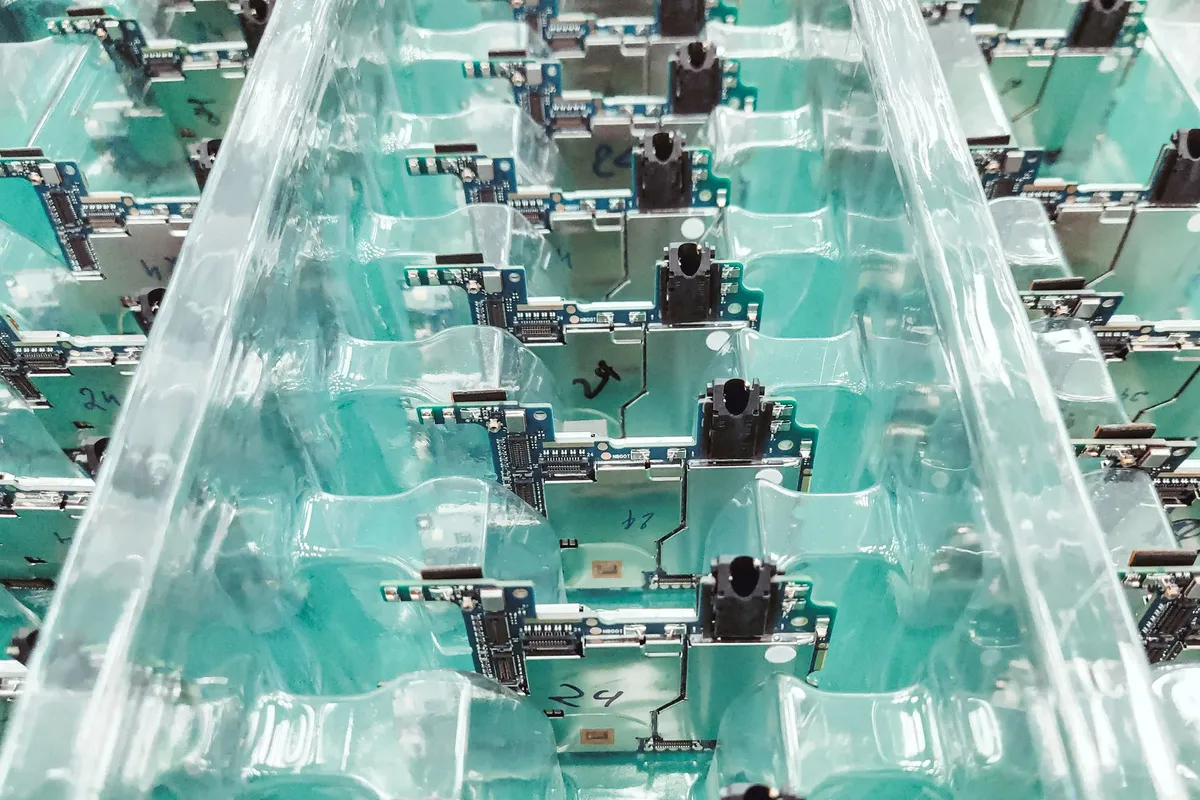
This $30 billion agreement with Broadcom is not just a financial transaction; it represents a strategic pivot towards reshoring manufacturing in the United States. As the global supply chain faces challenges, Apple is taking proactive steps to mitigate risks associated with international manufacturing dependencies. The deal includes a substantial investment in a Broadcom facility in Fort Collins, Colorado, where production is expected to ramp up significantly, creating jobs and bolstering local economies.
Details of the Deal
- Investment Amount: $30 billion
- Duration: Until 2031
- Facility Expansion: $1.5 billion investment in Fort Collins, Colorado
- Production Capacity: Expected to produce 15 billion chips
- Job Creation: Hundreds of jobs supported in the local community
This move not only closes a chapter on Cook's tenure, which has been marked by a significant reliance on Chinese manufacturing, but it also aligns with the U.S. government's push for domestic semiconductor production. Apple has expressed its commitment to developing an end-to-end silicon supply chain in America, partnering with local manufacturers like TSMC and Intel to produce critical components for its devices.
Nvidia's Declining Market Position
The narrative surrounding Nvidia has shifted dramatically in recent months. Once regarded as the king of the semiconductor world, Nvidia has faced a significant selloff that has shed roughly $1 trillion in market value. The broader market has begun re-evaluating the AI trade, leading to increased scrutiny on the sustainability of Nvidia's growth trajectory, particularly as demand for traditional semiconductors fluctuates.
The AI Bubble Concerns
Investors are increasingly concerned about an AI bubble, prompting a cautious approach to investments in high-flying tech stocks. The changing dynamics in the semiconductor market, with a newfound focus on memory and storage chips, have left many questioning whether Nvidia can maintain its competitive edge amidst these shifts. Apple's rise in the semiconductor space, coupled with its strategic investments, poses a direct challenge to Nvidia's dominance.
Apple's Strategic Positioning in AI and Chip Production
Apple's approach to the AI landscape has been marked by prudence and a long-term vision. The company has embraced a patient strategy, focusing on cost-efficiency while still investing in cutting-edge technology. With its shares climbing over 15% this year, outpacing the broader S&P 500, investors are rewarding Apple for its calculated moves in an uncertain market.
Reshoring Efforts and Supply Chain Stability
Apple's commitment to reshoring is further emphasized by its collaboration with TSMC on a new chip fabrication plant in Arizona. This facility is expected to bolster Apple's supply chain resilience and ensure a steady supply of essential components. While Apple is actively working to establish a more localized supply chain, it has not entirely abandoned its partnerships in China. The company is currently lobbying for permission to purchase memory chips from CXMT, a Chinese firm that has faced scrutiny from the U.S. government, reflecting the complexities of navigating the international semiconductor landscape.

The Future of the Semiconductor Market
As Apple and Broadcom embark on this ambitious partnership, the semiconductor industry is poised for transformation. With increasing demand for chips across various sectors, including automotive, consumer electronics, and AI, the competition is likely to intensify. Companies will need to innovate and adapt to changing consumer preferences and technological advancements to remain relevant in this rapidly evolving landscape.
Potential Impacts on Consumers and Investors
For consumers, the reshoring efforts may lead to more stable pricing and availability of tech products, as localized production can reduce dependency on international supply chains. For investors, the evolving dynamics in the semiconductor space present both challenges and opportunities. With companies like Apple prioritizing domestic manufacturing, investors may want to keep an eye on how these shifts impact stock valuations and overall market performance.
Key Takeaways
- Apple has secured a $30 billion chip supply agreement with Broadcom, enhancing its semiconductor capabilities.
- The deal signifies a strategic shift towards reshoring manufacturing in the U.S., creating jobs and supporting local economies.
- Nvidia faces increasing scrutiny and challenges, with a significant decline in market value amidst concerns about an AI bubble.
- Apple's patient approach to the AI landscape has resulted in strong stock performance, outpacing the broader market.
- The semiconductor industry is undergoing a transformation, with increasing demand and competition shaping future dynamics.
Frequently Asked Questions
What does the Broadcom deal mean for Apple?
The $30 billion deal with Broadcom marks a significant commitment by Apple to strengthen its semiconductor supply chain. By investing in U.S. manufacturing, Apple aims to reduce its reliance on international suppliers, particularly in light of geopolitical tensions and supply chain disruptions. This partnership will not only enhance Apple's production capabilities but also support job creation and economic growth in local communities.
How is Nvidia responding to its declining market position?
Nvidia has seen a dramatic decline in its market value amid concerns about an AI bubble and shifting demand in the semiconductor market. In response, the company may need to reassess its business strategies, focusing on innovation and diversification to maintain its competitive edge. As the market evolves, Nvidia will need to address the challenges posed by competitors like Apple who are actively investing in semiconductor production and AI technologies.
What impact will reshoring have on consumers?
Reshoring efforts by companies like Apple are likely to have a positive impact on consumers. By bringing manufacturing closer to home, companies can enhance supply chain stability and potentially reduce costs associated with international shipping and tariffs. This could lead to more consistent pricing and availability of tech products for consumers, making it easier to access the latest devices without the disruptions caused by overseas production.
How should investors approach the changing semiconductor landscape?
Investors should closely monitor the evolving semiconductor landscape as companies like Apple and Broadcom reshape the industry through strategic partnerships and investments. Understanding the implications of reshoring, market demand shifts, and competitive dynamics will be crucial for making informed investment decisions. Diversification and a focus on companies that are innovating and adapting to these changes may offer potential opportunities in this rapidly changing environment.
This content is educational, not financial advice.
Comments
Levi Strauss Shares Dip Despite Strong Earnings: What It Means for Investors
Levi Strauss & Co. posted impressive earnings, but its stock fell. Explore the reasons behind this market reaction and what it means for investors.

Related articles




Popular in Investing
- Navigating the Dismal Landscape of 2026's Worst-Performing ETFs
- Navigating the Turbulent Waters of Energy Markets: A Deep Dive
- Stablecoin Market Faces $10 Billion Decline — What It Means for Investors
- Cotton Futures Surge Despite Increased Production Forecasts
- Avantus Secures $525 Million for Major California Solar Project