Navigating the AMD Stock Landscape: Bull vs Bear Perspectives
As Advanced Micro Devices (AMD) gains momentum in the semiconductor space, expert opinions diverge on its investment potential. This article explores the bullish and bearish cases surrounding AMD, providing insights into its market position and future prospects.
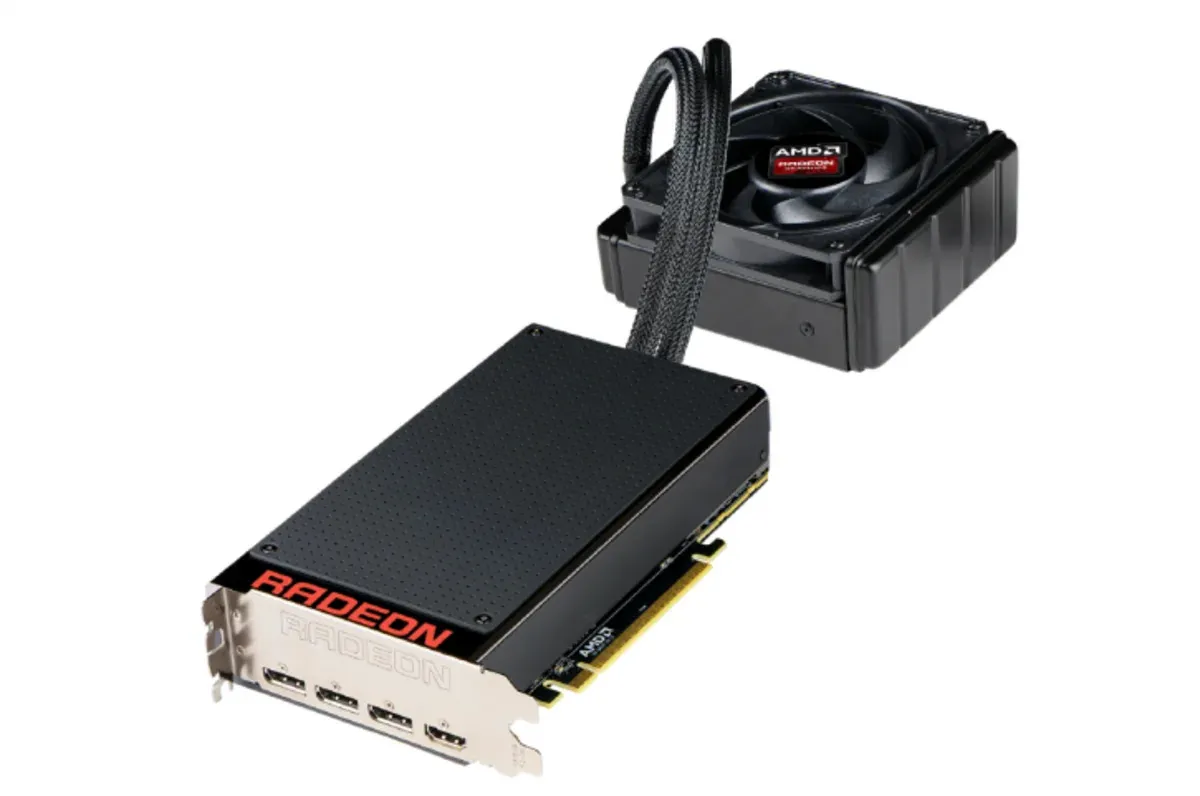
In the ever-evolving landscape of the semiconductor industry, Advanced Micro Devices, Inc. (AMD) stands out as a pivotal player. Recently featured on Schwab Network's Fast Market, the company has garnered attention following an upgrade from Wells Fargo, which increased its price target for AMD from $505 to an impressive $615. This adjustment underscores the firm’s outlook on AMD’s strong demand for its EPYC server processors and the burgeoning AI data center business. However, while bullish sentiment prevails among some analysts, others urge caution, presenting a nuanced view of AMD's stock performance and market dynamics.
The bullish case for AMD is largely anchored in its technological advancements and strategic leadership. Under the guidance of CEO Lisa Su, AMD has made significant strides in enhancing its CPU capabilities, positioning itself as a formidable competitor against industry giants like Intel and Nvidia. The company’s recent gains in CPU market share, particularly in enterprise and data center applications, speak volumes about its growing influence in a sector defined by rapid innovation and evolving consumer needs.
The Bullish Outlook: Strength in Innovation and Market Demand
Analysts like Kevin Hincks have lauded AMD's resurgence, attributing much of its success to the company’s focus on high-performance computing and graphics solutions. AMD’s portfolio, which includes microprocessors, graphics processors, and system-on-chip solutions, is tailored to meet the demands of data centers, gaming, and embedded systems. The sustained demand for EPYC processors, particularly as businesses increasingly pivot towards cloud computing and AI technologies, enhances AMD's growth potential.
Key Drivers of the Bullish Case
- Strong Demand for EPYC Processors: The rise in data center workloads and AI applications has led to increased demand for AMD’s server processors.
- Market Share Gains: AMD has successfully captured market share from Intel, signaling a shift in consumer preference.
- Leadership in AI Infrastructure: The company is positioning itself as a key player in AI, appealing to customers looking to diversify their technology stack beyond Nvidia.
- Positive Earnings Outlook: Wells Fargo's revised long-term earnings estimates reflect confidence in AMD's growth trajectory.

The Bearish Perspective: Valuation Concerns and Competition
Conversely, analysts like Tom White express caution regarding AMD's stock valuation. While acknowledging the company's momentum, White emphasizes that the stock's price may have outstripped its earnings potential. He argues that despite AMD's advancements in CPUs, Nvidia continues to dominate the GPU market and is making significant inroads into CPU territory as well. This competition could pose challenges for AMD as it seeks to sustain its growth in an increasingly crowded marketplace.
Factors Contributing to the Bearish Case
- High Valuation Metrics: Analysts warn that AMD's stock may be trading at demanding valuations, which could limit upside potential.
- Intensifying Competition: Nvidia's expansion into CPU markets poses a direct threat to AMD’s market share and pricing power.
- Market Sentiment: Investor sentiment can shift rapidly, and any negative news could lead to volatility in AMD’s stock price.

Strategic Options: Navigating the AMD Investment
The discussion among analysts extends beyond simple buy or sell recommendations, as they propose different investment strategies based on their outlooks. Hincks advocates for a bearish put calendar, which could provide a hedge against potential declines in AMD’s stock price. This strategy involves buying and selling put options with different expiration dates to capitalize on volatility while protecting against downside risk.
On the other hand, White suggests a neutral to bullish unbalanced put butterfly strategy, which could benefit from limited price movement while still allowing for some upside potential. Each of these strategies reflects the analysts’ differing views on AMD’s future performance and underscores the importance of tailoring investment approaches to individual risk tolerances and market expectations.

Why AMD Matters: Broader Market Implications
AMD's performance is not just a reflection of its internal strategies but also indicative of larger trends within the semiconductor industry and the tech sector as a whole. As the demand for advanced computing solutions continues to rise, companies like AMD are at the forefront of driving innovation. Their ability to adapt to changing market conditions and consumer preferences will be critical as they navigate future challenges.
Furthermore, AMD's success could have ripple effects across various sectors, influencing technology adoption, investment patterns, and even regulatory considerations. For investors, understanding AMD's position within this broader context is essential for making informed decisions.
Key Takeaways
- Advanced Micro Devices (AMD) is experiencing a resurgence due to strong demand for its EPYC processors and AI capabilities.
- While bullish analysts highlight the company’s market share gains and positive earnings outlook, bearish perspectives raise concerns about valuation and competition.
- Investors should consider tailored options strategies based on their risk tolerance and market expectations.
Frequently Asked Questions
What are the main factors driving AMD’s stock price?
The stock price of AMD is influenced by several key factors, including demand for its products, competitive positioning in the semiconductor market, and broader economic conditions. Recent upgrades in earnings estimates and positive market sentiment regarding its AI initiatives have also contributed to a bullish outlook. However, valuation concerns and competition from companies like Nvidia may temper this optimism.
How does AMD compare to its competitors?
AMD has made significant strides in capturing market share from Intel in the CPU segment, particularly in high-performance computing and data center applications. While it has gained traction, Nvidia remains a dominant force in the GPU market and is expanding its influence in CPUs. The competitive landscape is dynamic, and AMD must continue to innovate to maintain its position.
What investment strategies are analysts recommending for AMD?
Analysts recommend a range of investment strategies based on their outlooks for AMD. Some favor bearish put calendars to hedge against potential declines, while others suggest neutral to bullish unbalanced put butterfly strategies to capitalize on limited price movement. Ultimately, the choice of strategy depends on an investor's risk tolerance and market perspective.
What should investors consider when evaluating AMD?
When evaluating AMD, investors should consider not only the company's financial health and market position but also broader industry trends, competitive dynamics, and macroeconomic factors that could impact performance. Additionally, understanding the implications of valuation metrics and potential investment strategies can help investors make more informed decisions.
This article is for educational purposes only and should not be considered financial advice.
Comments
Levi Strauss Shares Dip Despite Strong Earnings: What It Means for Investors
Levi Strauss & Co. posted impressive earnings, but its stock fell. Explore the reasons behind this market reaction and what it means for investors.

Related articles







Popular in Investing
- Navigating the Dismal Landscape of 2026's Worst-Performing ETFs
- Navigating the Turbulent Waters of Energy Markets: A Deep Dive
- Stablecoin Market Faces $10 Billion Decline — What It Means for Investors
- Cotton Futures Surge Despite Increased Production Forecasts
- Avantus Secures $525 Million for Major California Solar Project