Navigating Stock Forecasts: A Deep Dive into Twilio Inc. and the Broader Market
As Twilio Inc. (TWLO) faces fluctuating stock forecasts, understanding market dynamics is crucial. This article explores Twilio's performance, forecasts, and the implications for investors amidst evolving market conditions.

In the fast-paced world of technology stocks, few names have garnered as much attention as Twilio Inc. (TWLO). Known for its cloud-based communication platform, Twilio has become a critical player as businesses increasingly rely on digital communication tools. However, recent fluctuations in its stock price and shifting market sentiments have left investors pondering the future of this tech giant. This article delves into Twilio's stock forecasts, the dynamics of the broader market, and what it all means for current and prospective investors.
Twilio's journey has not been without its challenges. From soaring highs to recent lows, the company's stock performance mirrors the tumultuous landscape of tech stocks in general. As we analyze Twilio's trajectory, we'll also explore essential market trends, particularly the recent rotation of investments within sectors, including healthcare and technology, which have significant implications for investors.
Understanding Twilio's Market Position
Twilio, founded in 2008, has carved a niche by providing essential communication services through APIs (Application Programming Interfaces). These APIs allow businesses to integrate voice, messaging, video, and authentication capabilities into their applications seamlessly. However, the company has faced stiff competition from other tech giants and market volatility, raising questions about its long-term viability.
Stock Performance and Recent Trends
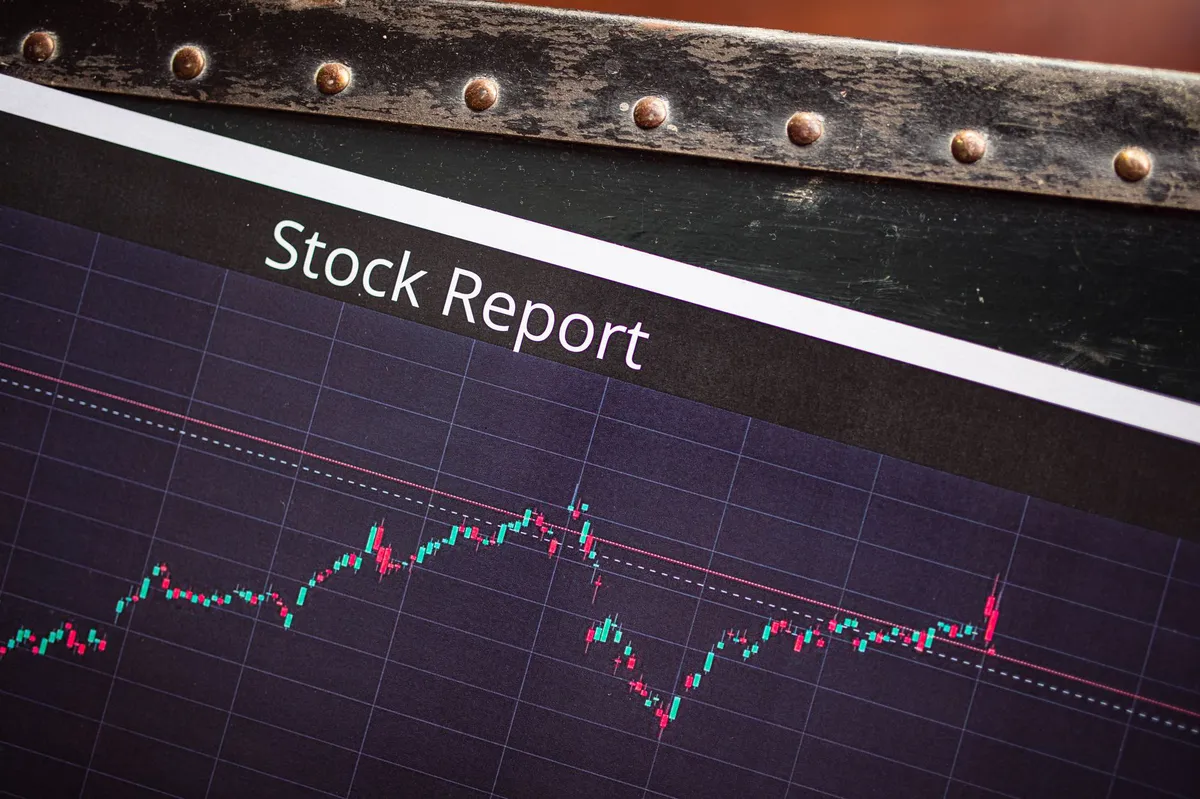
Twilio's stock has experienced significant fluctuations in recent years. In early 2022, the share price surged to an all-time high, driven by increased demand for digital communication tools during the pandemic. However, as the market began to stabilize and investors shifted their focus to profitability over growth, Twilio's stock fell sharply, leading to a reassessment of its valuation.
As of mid-2023, analysts have been cautiously optimistic about Twilio's potential recovery. Recent forecasts suggest that the company could see a rebound in its stock price, driven by a resurgence in demand for its services as businesses continue to adapt to a digital-first environment. However, the landscape remains competitive, and investors must remain vigilant.
The Broader Market Context
While Twilio's performance is at the forefront, it is essential to consider the broader market trends affecting technology stocks. The S&P 500, which includes a diverse array of companies, has seen a shift in investor sentiment, particularly towards sectors like healthcare, which have shown resilience amid economic uncertainty.
Sector Rotation and Its Impact
Sector rotation refers to the movement of capital from one sector of the economy to another. In recent months, we've witnessed a notable shift away from high-growth technology stocks towards more stable sectors, such as healthcare. This trend can be attributed to several factors:
- Rising Interest Rates: As interest rates increase, investors often seek safer, dividend-paying stocks that can provide steady returns, leading to a decline in high-growth tech stock valuations.
- Market Volatility: Economic uncertainty can prompt investors to reassess their portfolios, favoring sectors that historically perform well during downturns.
- Value Over Growth: A growing emphasis on profitability over rapid growth has shifted investor focus, leading many to favor established companies with reliable earnings.
These factors have contributed to a decline in the overall performance of technology stocks, including Twilio. Understanding the dynamics of sector rotation can help investors make informed decisions about their portfolios.
Investing Strategies Amidst Uncertainty
For investors navigating the current landscape, developing a robust investment strategy is crucial. Here are some strategies to consider when investing in volatile markets:
Diversification
Diversifying your investment portfolio across different sectors can help mitigate risk. Instead of concentrating investments solely in technology stocks, consider allocating funds to sectors that are performing well, like healthcare or consumer staples.
Research and Analysis
Staying informed about market trends and company performance is vital. Regularly review analyst reports and market insights to gauge the outlook for companies like Twilio. Understanding both the micro (company-specific) and macro (market-wide) factors can enhance your investment decisions.
Long-Term Perspective
While short-term fluctuations can be concerning, maintaining a long-term investment perspective can help weather market volatility. Rather than reacting to immediate stock performance, focus on the foundational strengths of a company and its potential for future growth.

Key Takeaways
- Twilio Inc. (TWLO) has faced significant stock fluctuations due to changing market sentiments.
- Sector rotation has shifted investor interest from technology to more stable sectors like healthcare.
- Diversification and long-term investment strategies are crucial for navigating current market volatility.
- Staying informed through research and analysis can enhance investment decisions.
Frequently Asked Questions
What are the main factors affecting Twilio's stock performance?
Twilio's stock performance is influenced by several factors, including market sentiment, competition within the tech sector, and broader economic conditions. With rising interest rates and a shift towards profitability, investors are more cautious about high-growth tech stocks, impacting Twilio's valuation. Additionally, changes in customer demand for digital communication services can also significantly affect its stock price.
How can I invest in Twilio stock?
Investing in Twilio Inc. can be done through a brokerage account. Investors can purchase shares of TWLO just like any other publicly traded stock. It's essential to conduct thorough research and consider the company's fundamentals and market conditions before making an investment decision. Long-term investors may also want to consider dollar-cost averaging to reduce the impact of market volatility.
What is sector rotation, and how does it affect investments?
Sector rotation is the practice of moving investments between different sectors based on economic cycles and market trends. For example, during periods of economic uncertainty, investors may shift their focus from high-growth sectors like technology to more stable sectors like healthcare or consumer staples. Understanding sector rotation can help investors adapt their strategies to current market conditions and potentially enhance returns.
What should I consider when investing in volatile markets?
When investing in volatile markets, it's crucial to have a well-thought-out strategy. Key considerations include maintaining a diversified portfolio, conducting thorough research, and adopting a long-term perspective. Avoid making impulsive decisions based on short-term market fluctuations, and focus on the fundamental strengths of the companies you invest in.
This content is educational, not financial advice.
Comments
Soybean Market Sees Correction Ahead of USDA Reports
As soybeans experience a downturn ahead of the USDA reports, traders are closely monitoring export sales and market trends. Understanding these shifts is crucial for stakeholders.

Related articles






Popular in Investing
- Navigating the Dismal Landscape of 2026's Worst-Performing ETFs
- Navigating the Turbulent Waters of Energy Markets: A Deep Dive
- Stablecoin Market Faces $10 Billion Decline — What It Means for Investors
- Cotton Futures Surge Despite Increased Production Forecasts
- Avantus Secures $525 Million for Major California Solar Project