Market Turmoil: Dow Drops 500 Points Amid U.S.-Iran Tensions
Tensions between the U.S. and Iran have triggered a significant sell-off in the stock market, with the Dow Jones Industrial Average plummeting over 500 points. Amidst this turmoil, SK Hynix's stock has shown resilience by breaking out past a new buy point.
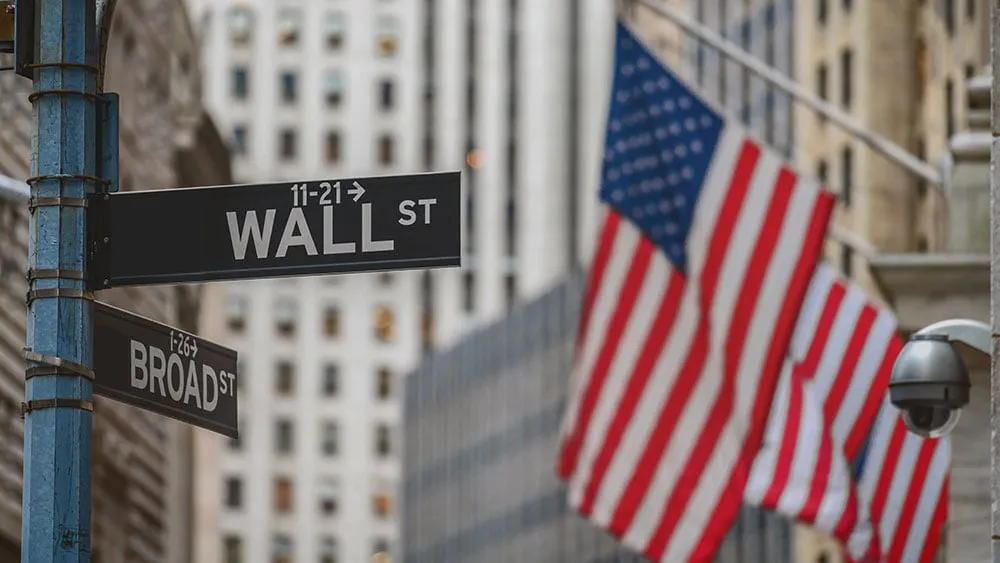
The stock market has reacted sharply to escalating tensions between the United States and Iran, resulting in a notable sell-off. The Dow Jones Industrial Average opened on a mixed note but quickly succumbed to pressures, plummeting over 500 points shortly after the market opened. This significant drop reflects the anxiety of investors as geopolitical uncertainty often translates to market volatility. Meanwhile, amidst this turbulence, memory-chip giant SK Hynix has defied the odds by recording a breakout above a new buy point, demonstrating that some sectors can thrive even in chaotic environments.
Understanding Market Reactions to Geopolitical Events
Geopolitical events can dramatically influence stock market performance. The attack between the U.S. and Iran over the weekend has raised oil prices, which traditionally adds another layer of complexity to market dynamics. Investors often view such conflicts as potential threats to economic stability, leading to sell-offs in sectors perceived as more vulnerable or exposed to global supply chain disruptions.
The Role of Oil Prices
Oil prices typically surge during geopolitical tensions due to fears of supply interruptions. For example, if conflict arises in the Middle East, which is a significant oil-producing region, it could disrupt the flow of oil to markets worldwide. This increase in oil prices can subsequently affect transportation costs, manufacturing, and overall inflation, contributing to a bearish sentiment in stock markets.
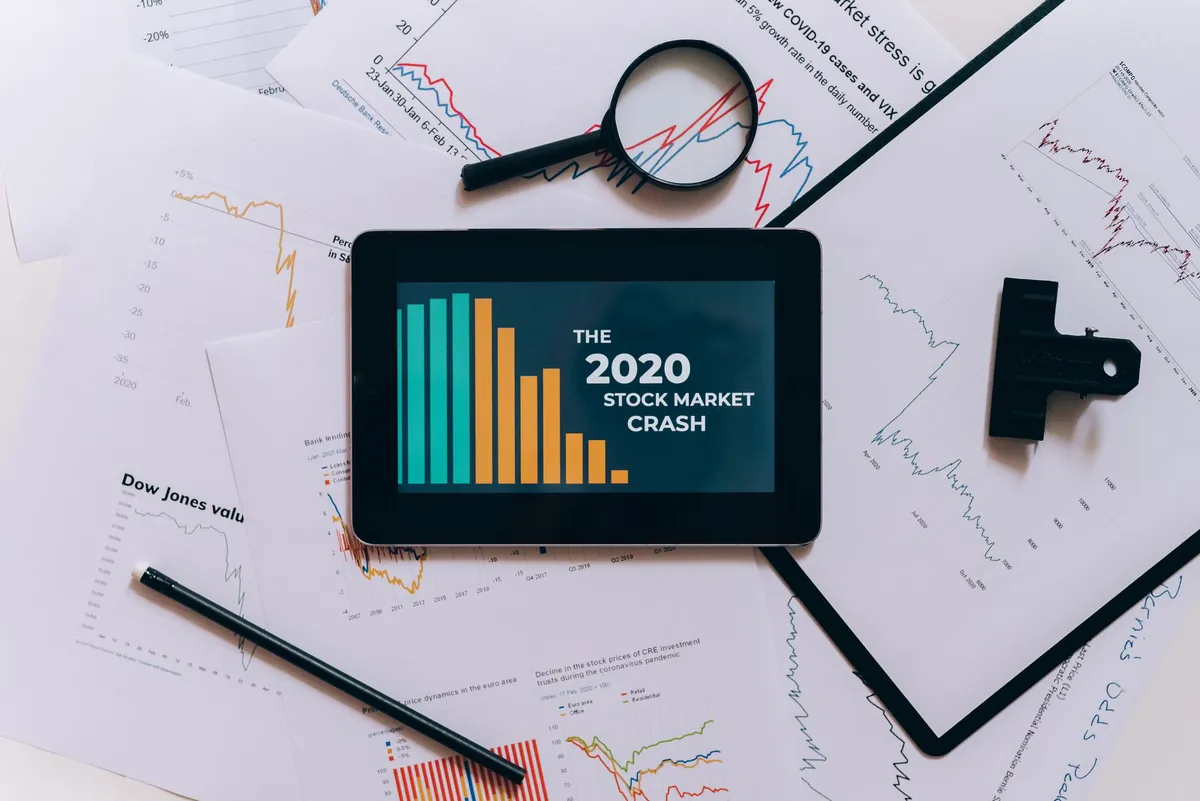
Sector Divergence: SK Hynix's Performance
While the broader market faced turbulence, SK Hynix, a leader in the memory chip sector, showcased remarkable resilience. The company's stock broke out past a new buy point, indicating strong investor confidence in its operations and growth potential. This performance underscores a critical point: not all stocks are affected equally by broader market trends.
Why Memory Chips Matter
The semiconductor industry, particularly memory chips, plays a vital role in the technology sector. The demand for chips has surged due to the ongoing digital transformation, including increased use in smartphones, data centers, and IoT devices. As technology continues to evolve, companies like SK Hynix are well-positioned to capitalize on growth opportunities, even when the overall market suffers.
The Importance of Diversification in Investing
The current market climate serves as a reminder of the importance of diversification in investment portfolios. With significant volatility spurred by geopolitical events, investors should consider spreading their investments across various sectors and asset classes. This approach can help mitigate risks associated with sudden market downturns.
- Invest in different sectors: Look beyond traditional stocks to include bonds, real estate, and commodities.
- Consider risk tolerance: Assess personal risk tolerance to determine the right balance of assets.
- Stay informed: Keep up with geopolitical developments and economic indicators to make informed decisions.

Key Takeaways
- The Dow fell over 500 points due to U.S.-Iran tensions impacting investor sentiment.
- Oil prices are expected to rise in response to geopolitical conflicts, affecting market dynamics.
- SK Hynix's stock has broken out, showing that some sectors can thrive despite market volatility.
- Diversification is essential for managing risk in uncertain markets.
Frequently Asked Questions
What causes stock market sell-offs during geopolitical tensions?
Stock market sell-offs during geopolitical tensions are often driven by investor fear and uncertainty. When conflicts arise, investors may worry about potential disruptions to the economy, leading to a rush to sell stocks perceived as risky. This behavior can create a self-reinforcing cycle, where declining stock prices further heighten fears and prompt more selling.
How can I protect my investments during market volatility?
Protecting your investments during market volatility involves a combination of strategies. First, consider diversifying your portfolio across different asset classes to spread risk. Additionally, maintaining a long-term investment perspective can help you ride out short-term fluctuations. Regularly reviewing your investment strategy and staying informed about market conditions can also provide valuable insights.
Is investing in sectors like technology safer during market downturns?
Investing in sectors like technology can be safer during market downturns, but it is not without risks. While technology companies often have strong growth potential, they can also be affected by broader economic conditions. It's essential to conduct thorough research on individual companies and their market position to assess their resilience in a downturn.
What should I do if I am worried about my investments?
If you are worried about your investments, the first step is to review your portfolio and assess your risk tolerance. Consider consulting with a financial advisor to discuss your concerns and explore potential adjustments to your investment strategy. It's important to remain calm and avoid making impulsive decisions based on short-term market movements.
This content is educational and not financial advice.
Comments
Navigating Market Volatility: Strategies for Investing Success
Market volatility can test even the most seasoned investors. Learn how to manage your emotions and adjust your portfolio strategy to stay on track, especially during retirement.

Related articles



Popular in Investing
- Navigating the Dismal Landscape of 2026's Worst-Performing ETFs
- Navigating the Turbulent Waters of Energy Markets: A Deep Dive
- Stablecoin Market Faces $10 Billion Decline — What It Means for Investors
- Cotton Futures Surge Despite Increased Production Forecasts
- Avantus Secures $525 Million for Major California Solar Project