GE Aerospace Acquires Consolidated Precision Products for $12 Billion
In a strategic move to strengthen its production capabilities, GE Aerospace has announced the acquisition of Consolidated Precision Products for nearly $12 billion. This deal is set to reshape the aerospace supply chain and enhance GE's manufacturing processes.
In a significant move that underscores the ongoing consolidation in the aerospace sector, GE Aerospace has announced its plans to acquire Consolidated Precision Products (CPP) for an estimated $12 billion. This deal marks a pivotal moment not only for GE but also for the broader aerospace supply chain, as it aims to enhance the production capabilities of one of the industry's heavyweights.
For over 15 years, CPP has been a trusted supplier to GE Aerospace, providing essential components such as engineered castings, alloys, and metals crucial for aircraft manufacturing. The acquisition is viewed as a strategic initiative by GE to strengthen its supply chain and reduce dependency on external suppliers, particularly in a time when the demand for aerospace components is on the rise.
The Rationale Behind the Acquisition
As the aviation industry rebounds from the challenges posed by the global pandemic, the demand for new aircraft and parts is surging. Analysts estimate that global air traffic will return to pre-pandemic levels, driving the need for increased production capabilities. In this context, GE's acquisition of CPP appears to be a calculated strategy to secure a more reliable supply of critical components.
Benefits of the Acquisition
- Enhanced Production Capabilities: By bringing CPP in-house, GE Aerospace can streamline its manufacturing processes and improve efficiency.
- Cost Control: The acquisition is expected to mitigate price volatility associated with sourcing components from third-party suppliers.
- Innovation and Development: GE will gain access to CPP's advanced engineering capabilities, fostering innovation in aeronautics.
This acquisition not only strengthens GE's position in the aerospace market but also aligns with its long-term strategy to lead in advanced manufacturing and innovative technologies.
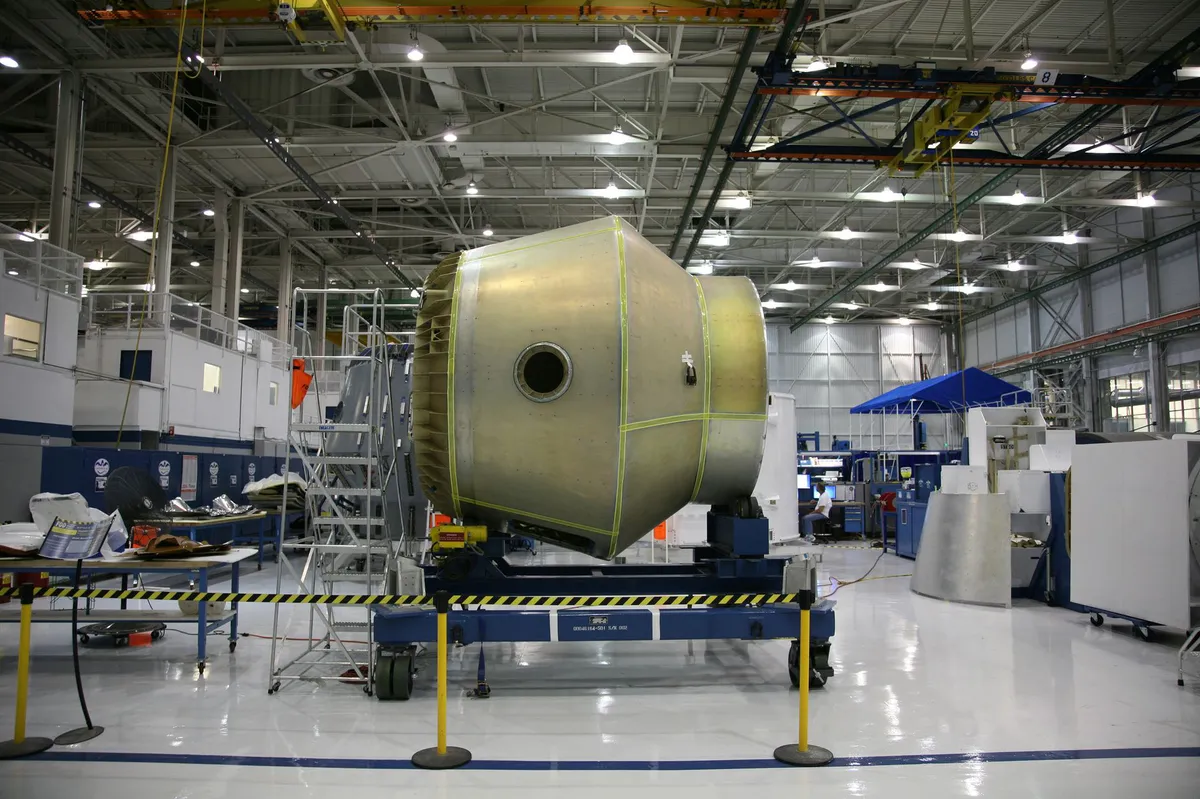
Market Reaction and Competitive Landscape
The market reacted cautiously to the news of the acquisition. GE Aerospace shares remained relatively stable following the announcement, while shares of its competitor Howmet Aerospace saw a decline. This shift indicates that investors are closely monitoring how this acquisition could impact competition in the aerospace supply chain.
With CPP now under its umbrella, GE Aerospace is poised to enhance its competitive edge. The integration of CPP's operations could potentially lead to a stronger market position, especially as the aerospace sector continues to recover and evolve.
Impact on Rivals
Competitors such as Howmet Aerospace may face increased pressure as GE consolidates its supply chain and enhances its production capabilities. The move could lead to tighter margins for rival suppliers, prompting them to innovate and improve their offerings to maintain market share. This dynamic could spur further consolidation within the industry as companies seek to compete against larger players.

Future Implications for the Aerospace Industry
The acquisition of CPP by GE Aerospace is likely to have far-reaching implications for the aerospace industry as a whole. As companies increasingly focus on vertical integration—controlling more of their supply chains—there may be a shift in how aerospace components are sourced and manufactured.
Potential for Industry Consolidation
The trend towards consolidation could lead to fewer, larger suppliers dominating the market. This could streamline the procurement process for aerospace manufacturers but may also raise concerns about monopolistic practices and reduced competition. Regulatory bodies may need to closely monitor these developments to ensure a balanced market.
Innovation Opportunities
On the positive side, the acquisition presents opportunities for innovation. By combining resources, GE and CPP can invest in research and development, leading to advancements in materials and manufacturing processes. This could result in lighter, more fuel-efficient aircraft and more sustainable production methods, aligning with global efforts to reduce the aviation industry's carbon footprint.

Key Takeaways
- GE Aerospace is acquiring CPP for $12 billion, enhancing its production capabilities.
- The acquisition is a strategic move to streamline operations and reduce reliance on external suppliers.
- Market reactions indicate a cautious outlook among investors, particularly concerning competition.
- The deal may spur further consolidation and innovation within the aerospace industry.
Frequently Asked Questions
What is Consolidated Precision Products (CPP)?
Consolidated Precision Products is a supplier of engineered castings and aerospace components. The company has been a long-term partner of GE Aerospace, providing critical materials and components necessary for aircraft manufacturing. With this acquisition, CPP will become a part of GE's operations, potentially enhancing the efficiency and quality of production.
How will this acquisition affect the aerospace supply chain?
The acquisition of CPP by GE Aerospace is expected to strengthen the aerospace supply chain by reducing reliance on third-party suppliers. By integrating CPP's capabilities into its own operations, GE can streamline production, control costs, and ensure a steady supply of critical components, which is particularly crucial as demand for new aircraft rises.
What are the potential risks of this acquisition?
While the acquisition presents numerous opportunities, it also carries potential risks. Integrating CPP into GE's operations could present challenges in terms of aligning corporate cultures, systems, and processes. Additionally, there are concerns about the impact on competition within the industry, as larger players may overshadow smaller suppliers, leading to a less diverse marketplace.
What does this mean for GE Aerospace's future?
This acquisition positions GE Aerospace for future growth and innovation within the aerospace sector. By enhancing its production capabilities and reducing supply chain vulnerabilities, GE is better equipped to respond to increasing demand and competition in the industry. The long-term implications could include advancements in aircraft technology and a stronger market position for GE.
This content is educational, not financial advice.
Comments
Navigating Market Volatility: Strategies for Investing Success
Market volatility can test even the most seasoned investors. Learn how to manage your emotions and adjust your portfolio strategy to stay on track, especially during retirement.

Related articles



Popular in Investing
- Navigating the Dismal Landscape of 2026's Worst-Performing ETFs
- Navigating the Turbulent Waters of Energy Markets: A Deep Dive
- Stablecoin Market Faces $10 Billion Decline — What It Means for Investors
- Cotton Futures Surge Despite Increased Production Forecasts
- Avantus Secures $525 Million for Major California Solar Project