Navigating Market Volatility: Strategies for Investing Success
Market volatility can test even the most seasoned investors. Learn how to manage your emotions and adjust your portfolio strategy to stay on track, especially during retirement.

The financial markets are notorious for their ups and downs, often influenced by a myriad of factors such as political events, economic indicators, and global crises. For investors, particularly retirees who depend on their portfolios for income, navigating this volatility can be daunting. The key to maintaining a successful investment strategy lies not just in what you invest in, but also in how you manage your emotional responses to market fluctuations. As the midterm elections approach, understanding your risk tolerance and adjusting your investment approach accordingly is more crucial than ever.
Market volatility can trigger a fight-or-flight response, prompting investors to panic-sell during downturns or chase after gains during rallies. Such emotional decision-making can derail even the most carefully crafted investment strategy. This article delves into the importance of emotional resilience in investing, how to assess your risk tolerance, and effective strategies to create a robust portfolio that can weather the storm.
Understanding Market Volatility
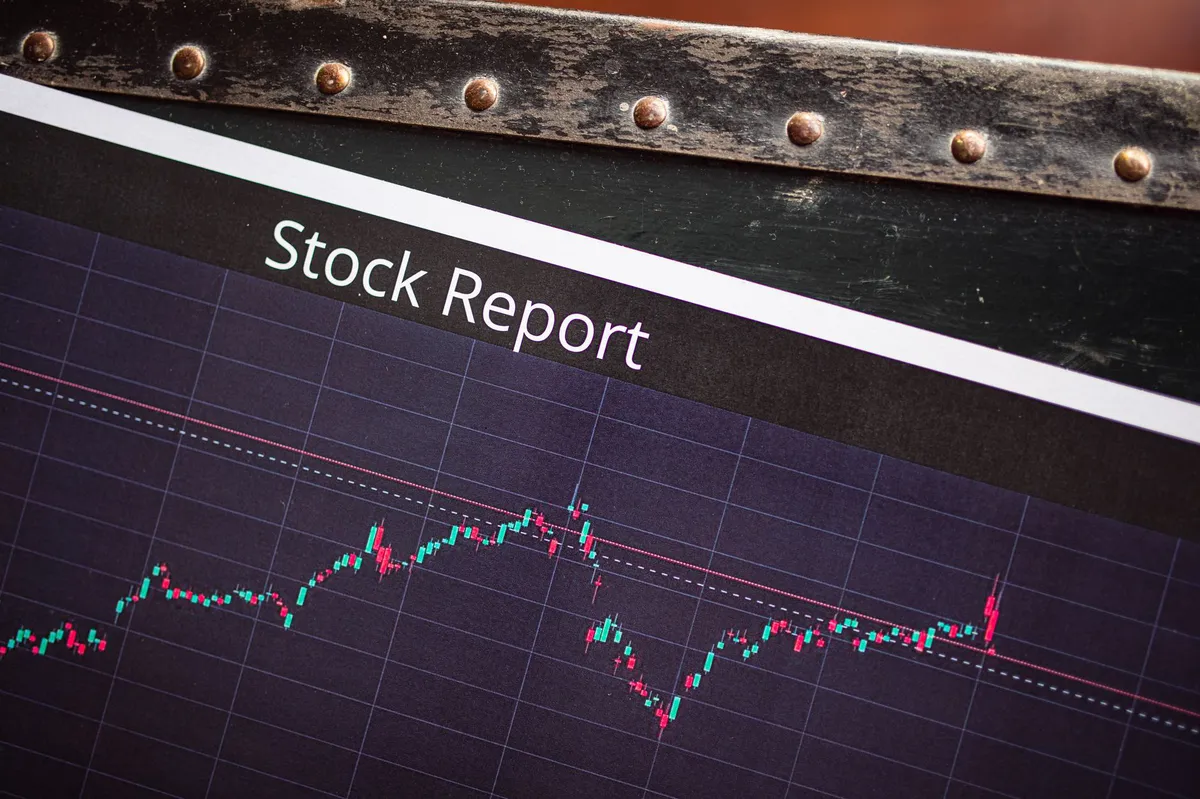
Market volatility refers to the rate at which the price of securities increases or decreases for a given set of returns. It can be caused by various factors, including economic reports, corporate earnings announcements, geopolitical tensions, and even unexpected global events like natural disasters or pandemics. For instance, the COVID-19 pandemic in 2020 led to unprecedented market swings as investors reacted to rapidly changing information. Historically, markets have shown recovery over time, but individual investors may not always have the luxury of waiting for recovery, especially those in or nearing retirement.
The Emotional Impact of Market Changes
Investing is as much a psychological endeavor as it is a financial one. Emotional responses to market volatility can lead to poor decision-making, such as selling assets during downturns or failing to invest during recoveries. A survey by the American Psychological Association revealed that financial stress is a significant source of anxiety for many individuals, particularly those facing retirement. Understanding this emotional component is essential for developing a sound investment strategy.
Assessing Your Risk Tolerance
Risk tolerance is the degree of variability in investment returns that an investor is willing to withstand. It varies significantly from person to person and is influenced by factors such as age, financial situation, investment goals, and emotional comfort with risk. For example, younger investors with longer time horizons may tolerate higher risks, while retirees may prefer a more conservative approach to protect their income.
- Age: Older individuals typically have less time to recover from market losses.
- Financial Situation: Those with more savings may afford to take greater risks.
- Investment Goals: Goals such as buying a home or funding education can influence risk tolerance.
- Emotional Comfort: Some investors are naturally more risk-averse than others.
To accurately gauge your risk tolerance, consider using questionnaires provided by financial professionals. These assessments can offer valuable insights into how much risk you can take without succumbing to anxiety during market fluctuations.

Building a Resilient Investment Portfolio
Once you have a clear understanding of your risk tolerance, the next step is to construct a portfolio that aligns with your financial goals and emotional comfort. A well-diversified portfolio can help mitigate the risks associated with market volatility.
Investment Buckets Approach
One effective strategy is to employ the investment buckets approach, which divides your assets into different categories based on their risk levels and time horizons:
- Income Bucket: This should contain safer investments, such as bonds and money market funds, to cover your immediate living expenses.
- Growth Bucket: This can include a mix of stocks and mutual funds aimed at long-term growth, suitable for funds you do not need to access for several years.
- Speculative Bucket: This is for high-risk investments, such as startup companies or cryptocurrencies, which may offer high rewards but come with significant risk.
This tiered approach enables you to safeguard against immediate financial needs while still positioning a portion of your assets for growth in the long term. It’s crucial to regularly reevaluate your portfolio to ensure that it reflects your current financial situation and market conditions.

The Role of Financial Advisors
Working with a financial advisor can significantly benefit investors, particularly during tumultuous market conditions. An advisor can help you develop a tailored investment strategy, taking into account your financial goals, risk tolerance, and market conditions. They can also serve as an objective voice during times of emotional stress, guiding you to make rational decisions instead of impulsive ones.
Financial professionals can utilize advanced tools and technology to assess your risk tolerance and help you construct a well-balanced portfolio. They also provide ongoing support, ensuring you remain informed and confident in your investment journey.
Key Takeaways
- Market volatility is a natural part of investing, especially for retirees relying on their portfolios for income.
- Emotional decision-making can lead to poor investment choices; understanding your risk tolerance is crucial.
- Using an investment buckets strategy can help mitigate risks and provide a structured approach to asset management.
- Consulting with a financial advisor can provide valuable insights and emotional support during volatile market conditions.
Frequently Asked Questions
What is market volatility and why does it matter?
Market volatility refers to the fluctuation in the price of securities over time. It matters because it can affect your investment returns and financial security, especially for those in retirement who may not have the time to recover from significant downturns.
How can I determine my risk tolerance?
Determining your risk tolerance involves evaluating your financial situation, investment goals, age, and emotional comfort with risk. Many financial advisors provide questionnaires to help you assess how much risk you can realistically handle without experiencing undue stress.
What strategies can I use to manage my investments during volatile times?
Strategies include maintaining a diversified portfolio, employing the investment buckets approach, and consulting with a financial advisor. It’s essential to stick to your long-term plan and avoid making emotional decisions based on short-term market movements.
When should I consult a financial advisor?
If you are unsure about your investment strategy, feel overwhelmed by market fluctuations, or are nearing retirement, consulting a financial advisor can provide clarity and guidance. They can help you develop a tailored investment strategy that aligns with your risk tolerance and financial goals.
This content is educational, not financial advice.
Comments
Are Pharmaceutical Stocks Poised for a Major Comeback?
After years of underperformance, pharmaceutical stocks are showing signs of resurgence. This article explores the factors driving this trend and how investors can navigate this complex sector.

Related articles



Popular in Investing
- Navigating the Dismal Landscape of 2026's Worst-Performing ETFs
- Navigating the Turbulent Waters of Energy Markets: A Deep Dive
- Stablecoin Market Faces $10 Billion Decline — What It Means for Investors
- Cotton Futures Surge Despite Increased Production Forecasts
- Avantus Secures $525 Million for Major California Solar Project