SpaceX's Ambitious Spending: A Path to the Stars or a Risky Gamble?
SpaceX is embarking on a monumental building spree aimed at revolutionizing space infrastructure and technology. However, with capital expenditures set to soar, questions arise about whether its revenue will keep pace with such ambitious plans.
SpaceX, the pioneering space exploration company founded by Elon Musk, is on the verge of a spending spree that would make even the most seasoned investors raise an eyebrow. With an estimated capital expenditure (capex) of nearly $200 billion slated for next year, up from $70 billion this year, the company's ambitious plans to build an array of cutting-edge infrastructure are unfolding at a breathtaking pace. This massive spending surge is not merely about rockets; it aims to establish a new paradigm for technology and services in space. But as the company reaches for the stars, financial analysts are left wondering: Can SpaceX's revenue keep up with its sky-high aspirations?
Understanding SpaceX's Infrastructure Investment
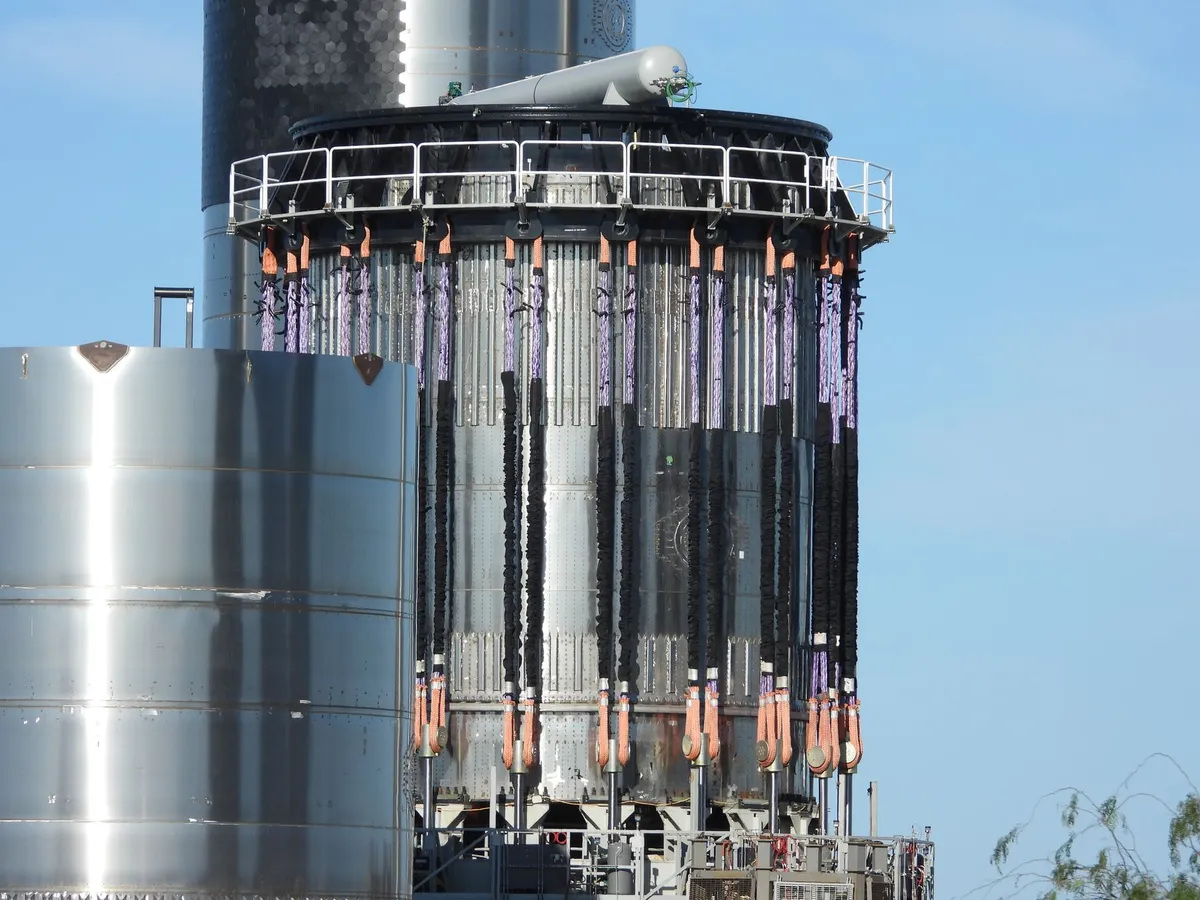
SpaceX's planned capital expenditures reflect a broader vision that includes the construction of space-based data centers, a semiconductor manufacturing plant, and the launch of new rockets and artificial intelligence (AI) data centers here on Earth. At the heart of this investment spree is a significant new launch facility in Vermilion Parish, Louisiana, which will encompass five complexes, each featuring two launch pads. This facility is designed to support thousands of launches annually, an ambitious target that underscores SpaceX's goal of making space more accessible.
Key Infrastructure Projects
- Vermilion Parish Launch Facility: $100 billion investment for five complexes.
- Terafab Chip Plant: $17 billion initial investment already underway.
- AI Data Centers: $16 billion spent on AI infrastructure in the most recent quarter.
The Competitive Landscape of AI and Space
The sheer scale of SpaceX's spending places it in direct competition with some of the largest tech companies in the world. Major players like Amazon, Alphabet, Meta, and Microsoft are projected to collectively invest over $700 billion this year alone in AI and cloud infrastructure. SpaceX's capex spending aligns it with these hyperscalers, creating a competitive landscape that could redefine the possibilities in both space exploration and AI development. However, such ambitious plans come with substantial risks.
Risks of Overextension
SpaceX's ambitious infrastructure projects are associated with several inherent risks. For one, many of the markets it is venturing into—such as orbital data centers—are characterized by untested business models and technologies. The company is banking on demand for rocket launches, data center services, and AI compute capacity to materialize in the years to come. While the potential for growth is immense, the lack of proven market dynamics raises questions regarding the viability of these investments.
Revenue Projections: Aiming for $1 Trillion
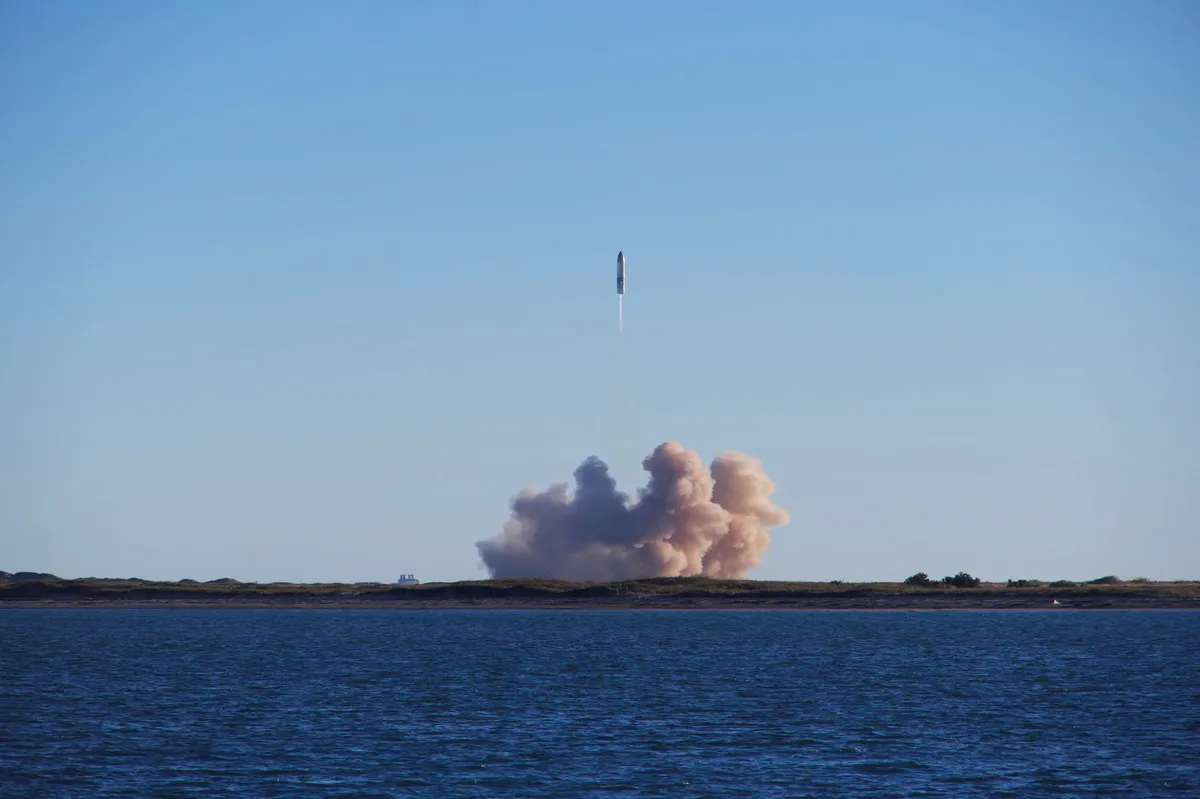
The company has set its sights on a remarkable target: reaching $1 trillion in annual revenue by 2030. CEO Elon Musk has indicated that internal projections suggest SpaceX could hit a yearly revenue rate of $100 billion by the end of this year, primarily driven by its Starlink broadband service and burgeoning AI sales. This ambitious target would represent a monumental shift for the company, which has historically focused on government contracts and satellite launches.
Financial Context
SpaceX's plans are bolstered by a robust cash reserve of approximately $100 billion, largely amassed from a blockbuster initial public offering earlier this year. This financial cushion provides the company with the flexibility to invest aggressively in its infrastructure, but it also raises concerns about sustainability. Can SpaceX continually drive growth in revenue to match its soaring expenditures?

Future Directions and Innovations
As SpaceX looks to the future, its engineers have already begun exploring innovative projects that extend beyond traditional space missions. For instance, Musk is contemplating the development of blades for gas-powered turbines to enhance power generation for the company's AI data centers. The engineering prowess of SpaceX's rocket scientists could lead to groundbreaking advancements across various sectors.
Long-Term Vision
According to S&P Global, SpaceX's yearly capex could reach around $230 billion by 2028 and 2029, and there are good odds that these figures could surpass even that. The ambition is clear: SpaceX aspires not only to revolutionize space travel but also to create a sustainable infrastructure that supports a multitude of industries reliant on space technology.
Key Takeaways
- SpaceX's capex is projected to reach nearly $200 billion next year, a significant increase from $70 billion this year.
- The company's ambitious plans include new launch facilities, AI data centers, and semiconductor manufacturing.
- SpaceX aims for $1 trillion in annual revenue by 2030, largely dependent on its Starlink service and AI growth.
- Massive spending comes with risks, as many new markets remain untested.
- SpaceX's financial health is supported by a $100 billion cash reserve from its IPO.
Frequently Asked Questions
What is SpaceX's primary revenue source currently?
As of now, SpaceX's primary revenue source is its Starlink broadband service, which provides internet access via satellite to underserved areas across the globe. This service has seen rapid adoption and is a significant contributor to the company's anticipated revenue growth.
What are the risks associated with SpaceX's ambitious spending plans?
SpaceX's aggressive capital expenditures pose several risks, including the potential for overextension in untested markets. Many of the technologies and business models they are pursuing, such as orbital data centers, are still in their infancy, and customer demand may take time to materialize. This could lead to financial strain if revenue growth does not keep pace with spending.
How does SpaceX's spending compare to other tech giants?
SpaceX's spending plans put it in the same league as major technology companies like Amazon and Microsoft, which are also investing heavily in AI and infrastructure. However, the unique focus on space technology sets SpaceX apart, as it aims to integrate these advancements into both terrestrial and extraterrestrial applications.
Can SpaceX achieve its revenue targets?
While SpaceX has set ambitious revenue targets, achieving them will depend on various factors, including market conditions, customer demand, and the successful execution of its infrastructure projects. While the potential is significant, many analysts remain cautious about the feasibility of hitting such high revenue figures in a relatively short timeline.
This content is educational, not financial advice.
Comments
Market Reactions: Dow Declines as Brent Oil Surpasses $100
The stock market faced a downturn as Brent crude oil prices rose over $100 a barrel, reflecting ongoing geopolitical tensions. Key tech stocks, including Apple, are also experiencing volatility ahead of major product announcements.

Related articles


Popular in Investing
- Navigating the Dismal Landscape of 2026's Worst-Performing ETFs
- Navigating the Turbulent Waters of Energy Markets: A Deep Dive
- Stablecoin Market Faces $10 Billion Decline — What It Means for Investors
- Cotton Futures Surge Despite Increased Production Forecasts
- Avantus Secures $525 Million for Major California Solar Project