Market Volatility: Dow Falls Amid Rising Rate Pressures and Global Tensions
The Dow Jones Industrial Average faced a substantial decline of 628 points, reflecting heightened investor anxiety over inflation and geopolitical tensions. With significant market movements driven by upcoming economic data and trade conflicts, the outlook remains uncertain for investors navigating these turbulent waters.

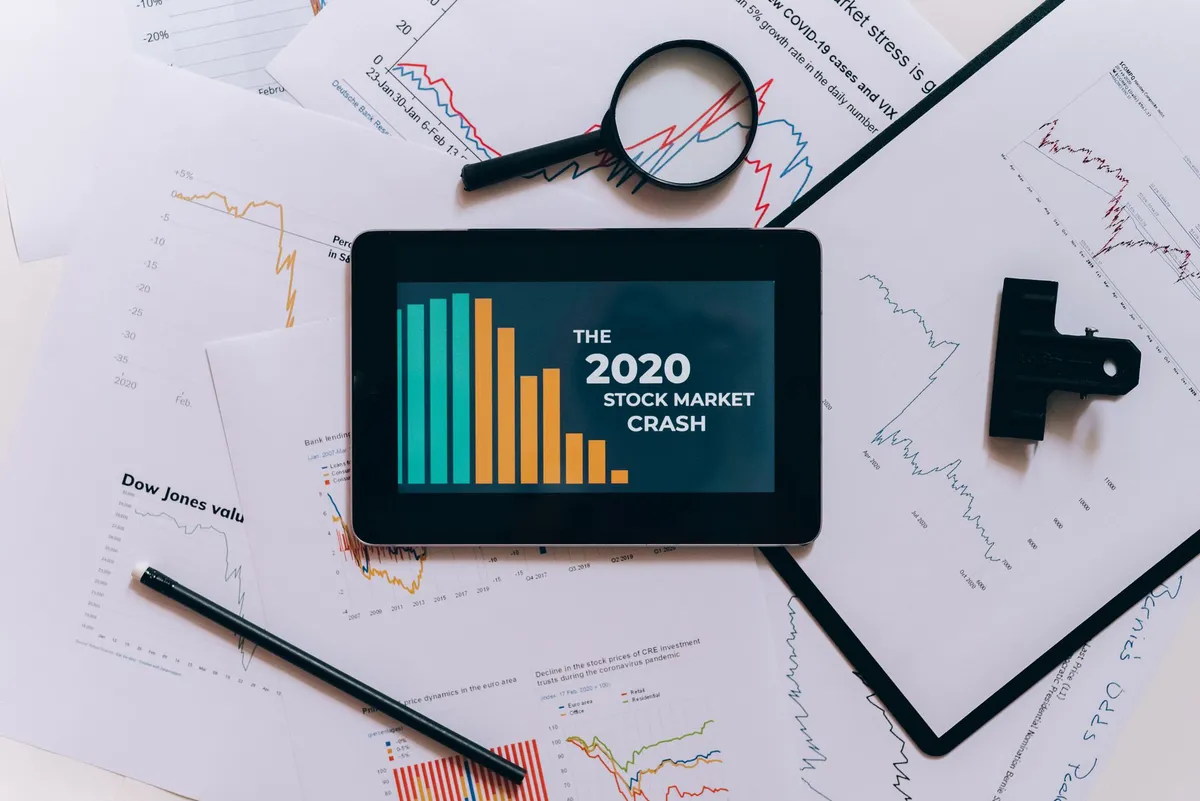
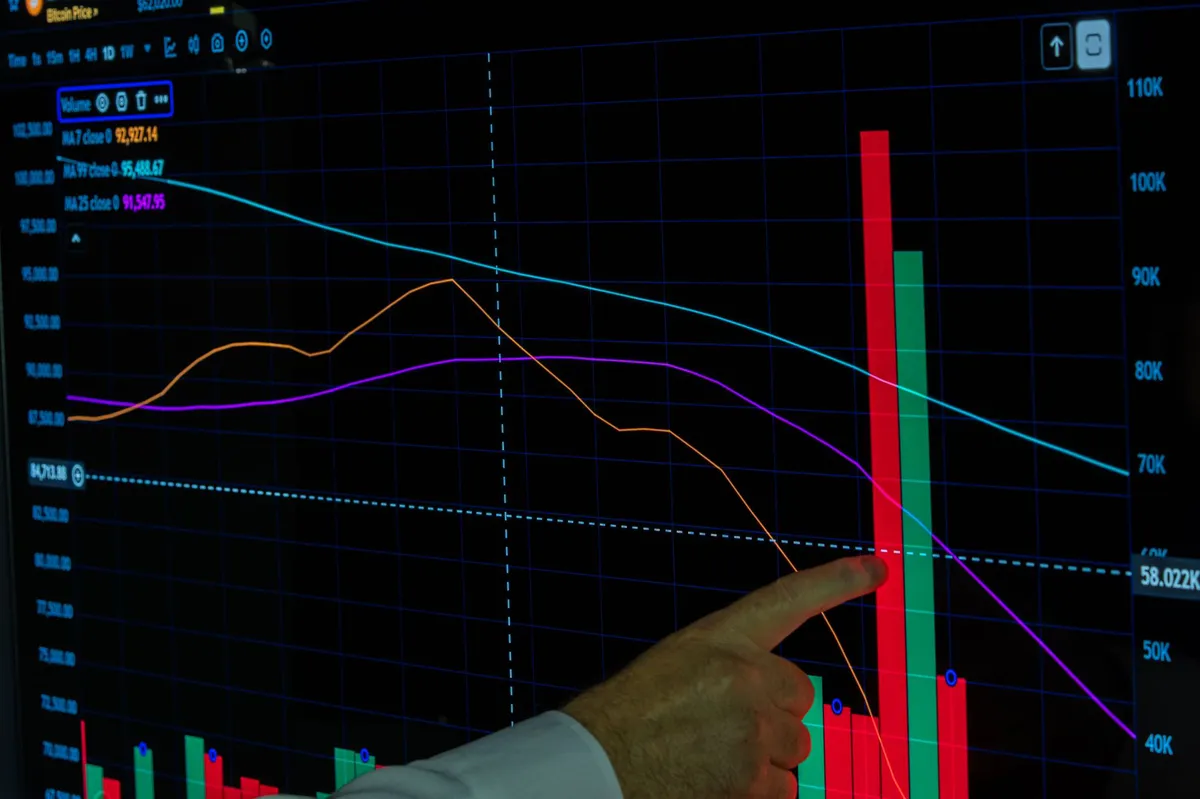
The financial landscape can often feel like a rollercoaster, and recent developments have only amplified that sensation for investors. On September 8, 2026, the Dow Jones Industrial Average plummeted by 628 points, closing at 52,786. This dramatic drop was largely fueled by rising rate pressures and escalating geopolitical tensions, particularly involving the U.S., Canada, and Iran. As traders returned from a three-day weekend, the anxiety in the market was palpable, with investors bracing for key economic indicators that could influence Federal Reserve policy.
The stock market’s response to these pressures highlights how interconnected global events and domestic economic factors can shape investor sentiment and market performance. With inflation data on the horizon and concerns about international conflicts affecting oil prices, the landscape for American investors is fraught with uncertainty but also ripe with opportunity.
Understanding the Current Market Dynamics
Recent trends in the stock market have been heavily influenced by a mixture of economic indicators and geopolitical events. The looming Federal Open Market Committee (FOMC) meeting has investors on edge, awaiting data that could determine the future direction of interest rates.
The Role of Inflation Data
The Consumer Price Index (CPI) and Producer Price Index (PPI) are crucial economic indicators that provide insights into inflation trends. The impending release of the August CPI report and the August PPI data are particularly critical this week, as they will offer a clearer picture of inflationary pressures in the economy. According to the CME Group’s FedWatch tool, there is a 60.4% probability that the FOMC will raise its primary benchmark interest rate by 25 basis points in the upcoming meeting, reflecting how economic data is closely monitored in the current environment.
Geopolitical Tensions and Oil Prices
The recent rise in oil prices, driven by concerns over conflict in the Middle East, adds another layer of complexity to the market dynamics. The front-month West Texas Intermediate crude oil futures contract increased by 2.4% to $93.65 per barrel due to reports of damage to energy infrastructure around the Strait of Hormuz. Such developments not only affect gas prices at the pump but also have broader implications for inflation and interest rates, as rising energy costs can lead to increased consumer prices.

Sector Performances and Notable Stock Movements
In a turbulent trading session, sector performances varied widely. While the technology sector generally faced declines, notable exceptions included semiconductor stocks, particularly Intel, which saw a surge of 9.1% following positive news regarding its pricing strategy and product development. Such movements highlight the divergence in stock performances amid overall market volatility.
High Performers and Underperformers
While technology stocks like Intel thrived, other major players struggled significantly. Amgen, for instance, experienced its steepest drop in nearly 26 years, falling by 10.1%. This decline was largely attributed to disappointing results from Novartis regarding a cardiovascular treatment, raising concerns about similar outcomes for Amgen’s own heart disease drug. Analysts cited Amgen’s previous year-to-date performance as a reason for the downgrade, indicating that while the company had performed well, the market's expectations had become misaligned with its current prospects.
The Broader Impact on Investors
For everyday investors, understanding the nuances of market fluctuations and how they relate to broader economic indicators is crucial. The current environment poses both risks and opportunities, particularly for those invested in sectors that are sensitive to interest rate changes and inflation.
What Should Investors Consider?
- Diversification: With certain sectors underperforming, it may be prudent for investors to diversify their portfolios to mitigate risks associated with market volatility.
- Stay Informed: Keeping abreast of economic indicators and geopolitical developments can better equip investors to make informed decisions.
- Avoid Panic Selling: Market downturns are often followed by recoveries. Understanding your investment goals can help prevent impulsive decisions.
- Focus on Long-Term Growth: Consider the overall market trends and long-term economic forecasts rather than reacting solely to short-term fluctuations.
Key Takeaways
- The Dow dropped 628 points, reflecting heightened investor anxiety over inflation and geopolitical tensions.
- Upcoming economic indicators, particularly CPI and PPI, will play a crucial role in determining Federal Reserve policy.
- Oil prices have surged due to geopolitical tensions, impacting inflation and interest rates.
- Sector performance varies widely, with tech stocks like Intel showing resilience while others, like Amgen, struggle.
- Investors should focus on diversification, informed decision-making, and long-term growth strategies.
Frequently Asked Questions
What caused the recent drop in the Dow Jones Industrial Average?
The recent 628-point drop in the Dow was primarily driven by rising concerns over inflation and geopolitical tensions, particularly related to conflicts affecting oil prices. These factors have created a risk-off sentiment among investors, leading to sell-offs in various sectors.
How do inflation and interest rates affect my investments?
Inflation can erode purchasing power and affect corporate profits, which may lead to decreased stock prices. Conversely, when the Federal Reserve raises interest rates to combat inflation, borrowing costs rise, potentially slowing economic growth and impacting stock market performance negatively. Investors should keep an eye on inflation data to gauge how it may influence interest rate decisions.
What strategies can investors use during volatile market conditions?
During periods of market volatility, investors should consider diversifying their portfolios to spread risk across various asset classes. Staying informed about market trends and economic indicators can also help make better investment decisions. Additionally, maintaining a long-term perspective and avoiding panic selling during downturns can prevent losses and position investors for potential recoveries.
Are there sectors that are more resilient during market downturns?
Certain sectors, such as utilities and consumer staples, tend to be more resilient during market downturns as they provide essential products and services. These sectors often experience less volatility compared to technology or discretionary sectors, making them potential safe havens for investors looking to weather turbulent market conditions.
This content is educational, not financial advice.
Comments
Market Reactions: Dow Declines as Brent Oil Surpasses $100
The stock market faced a downturn as Brent crude oil prices rose over $100 a barrel, reflecting ongoing geopolitical tensions. Key tech stocks, including Apple, are also experiencing volatility ahead of major product announcements.
Related articles


Popular in Investing
- Navigating the Dismal Landscape of 2026's Worst-Performing ETFs
- Navigating the Turbulent Waters of Energy Markets: A Deep Dive
- Stablecoin Market Faces $10 Billion Decline — What It Means for Investors
- Cotton Futures Surge Despite Increased Production Forecasts
- Avantus Secures $525 Million for Major California Solar Project