Understanding Treasury Yields: Implications for Investors Amid Rising Oil Prices
As Treasury yields approach a nine-month high and oil prices surge, investors face a pivotal moment. What does this mean for your financial strategies in the current economic landscape?
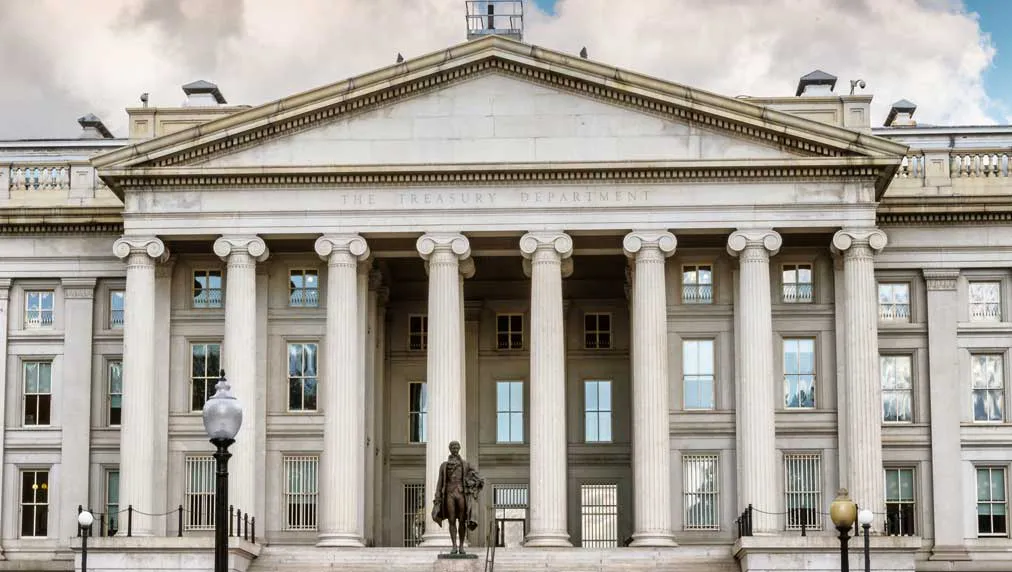
In a rapidly shifting economic landscape, the interplay between Treasury yields and oil prices is becoming increasingly significant. Recently, the 10-year Treasury yield has hovered near a nine-month high of 4.8%, stirring concerns among investors about the implications for borrowing costs, inflation, and overall economic stability. This surge in yields coincides with a notable escalation in crude oil prices, fueled by tensions related to the U.S.-Iran conflict. As these critical financial indicators move, Treasury Secretary Scott Bessent is stepping into the spotlight, aiming to address what he describes as a 'growing threat' to the economy.
The Current State of Treasury Yields
Treasury yields, particularly the 10-year yield, are often viewed as a barometer of investor sentiment and economic conditions. A yield approaching 4.8% signals not only the rising cost of government borrowing but also reflects expectations regarding inflation and economic growth. Historically, higher yields can lead to increased borrowing costs for consumers and businesses, which may dampen spending and investment.
Factors Influencing Rising Yields
Several factors contribute to the ascent of Treasury yields:
- Inflation Expectations: As inflation rises, investors demand higher yields to compensate for the eroding purchasing power of fixed-income returns.
- Federal Reserve Policy: The Federal Reserve's stance on interest rates directly impacts Treasury yields. With inflation concerns, there may be pressure for the Fed to raise rates.
- Global Uncertainty: Geopolitical tensions, such as the escalating U.S.-Iran conflict, can lead to market volatility and influence yields as investors reassess risk.
The interplay of these factors is crucial for investors as they navigate the financial landscape. Understanding how these elements impact Treasury yields can help inform investment strategies.
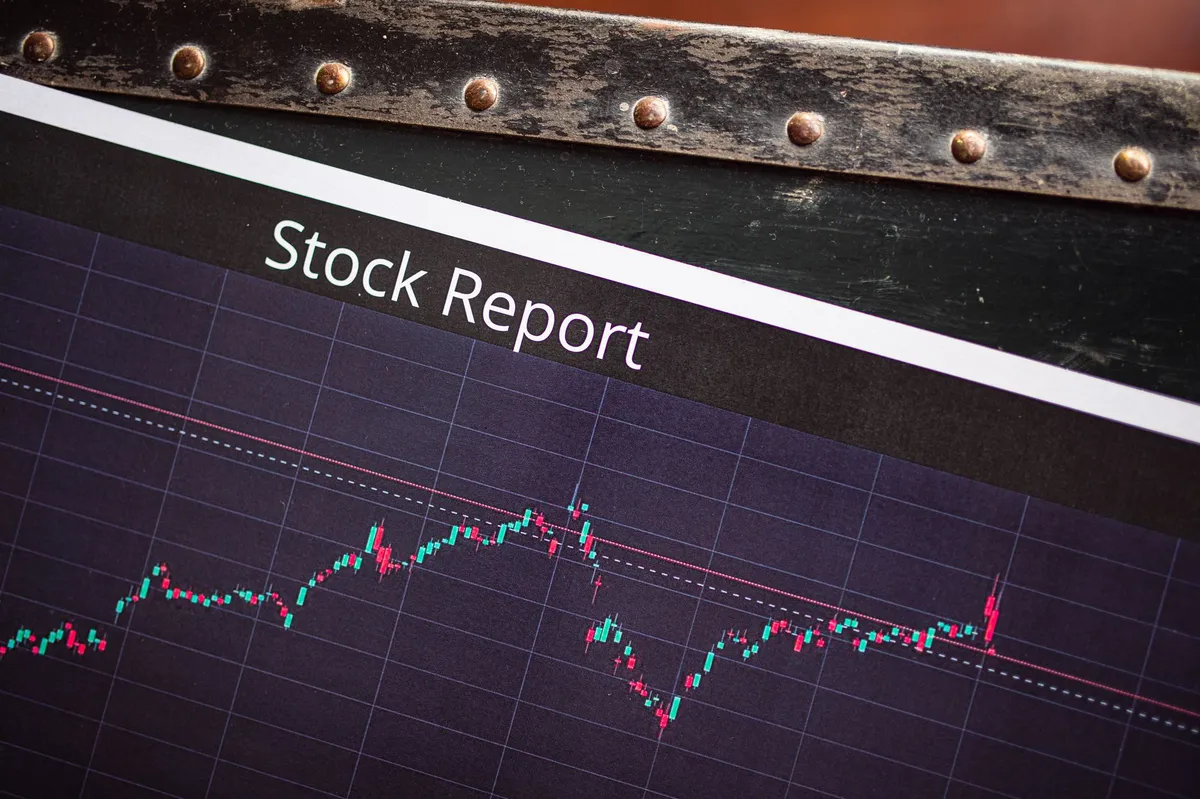
The Impact of Rising Oil Prices
Oil prices are experiencing a significant uptick, driven largely by geopolitical tensions. This rise in crude oil prices can have several ramifications for the economy and investors alike:
Inflationary Pressures
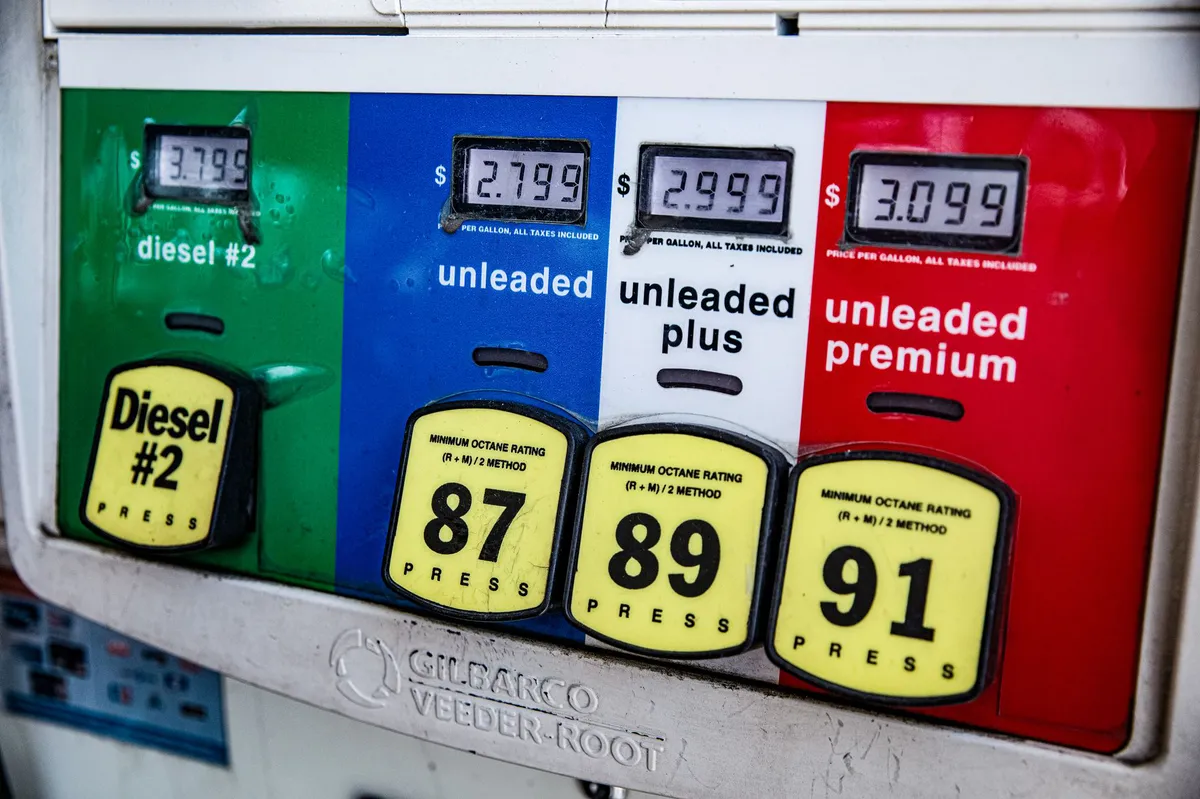
Higher oil prices typically translate to increased costs for transportation and goods, exerting upward pressure on inflation. For consumers, this means higher prices at the gas pump and for everyday goods. Businesses may face rising operating costs, which could lead to reduced profit margins.
Market Reactions
As oil prices climb, investors often adjust their portfolios in response. Energy stocks may see a boost, while sectors sensitive to oil prices, such as transportation and manufacturing, may face headwinds. Understanding these market dynamics is essential for making informed investment decisions.
Looking Ahead: Bessent's Role
Treasury Secretary Scott Bessent's upcoming address is expected to shed light on the government's strategy to mitigate the economic threats posed by rising Treasury yields and oil prices. His approach may involve measures to stabilize markets and reassure investors, which could include:
- Policy Adjustments: Potential changes in fiscal policy to address inflation and economic stability.
- Market Communication: Clear communication about the government's stance on interest rates and economic growth.
- International Cooperation: Engaging with global partners to address the geopolitical factors affecting oil prices.
Investors should remain vigilant as they await Bessent's commentary, as it could influence market sentiment and investment strategies across various sectors.

Investor Strategies in a Volatile Environment
As the financial landscape shifts with rising Treasury yields and oil prices, investors must adapt their strategies to navigate potential volatility. Here are some approaches to consider:
Diversification
Ensuring a diversified portfolio can help mitigate risks associated with rising yields and fluctuating oil prices. Consider allocating investments across different asset classes, such as stocks, bonds, and commodities, to create a balanced approach.
Monitoring Economic Indicators
Stay informed about key economic indicators, including inflation rates, employment data, and Fed policy announcements. This knowledge can help you anticipate market movements and adjust your investment strategy accordingly.
Long-Term Perspective
While short-term volatility can be unsettling, maintaining a long-term investment perspective can help you navigate economic fluctuations. Focus on your financial goals and avoid making impulsive decisions based on market noise.

Key Takeaways
- 10-year Treasury yields have reached near 4.8%, signaling potential economic challenges.
- Rising oil prices are contributing to inflationary pressures, affecting consumer costs.
- Secretary Bessent's upcoming address may provide insights into government strategies to stabilize the economy.
- Diversification and awareness of economic indicators are crucial for investors navigating volatility.
Frequently Asked Questions
What does a rising Treasury yield mean for consumers?
Rising Treasury yields typically indicate increasing borrowing costs for consumers. This can lead to higher interest rates on loans, mortgages, and credit cards, making it more expensive for individuals to finance purchases. Consumers may need to adjust their budgets or seek more favorable loan terms as yields rise.
How do oil prices affect the overall economy?
Oil prices have a direct impact on inflation, as higher energy costs can lead to increased prices for goods and services. When oil prices rise, consumers face higher transportation costs, which can reduce disposable income and overall spending. Businesses may also experience increased operating costs, which could affect their profitability and investment decisions.
What steps can investors take to protect their portfolios during market volatility?
Investors can protect their portfolios during volatility by diversifying their investments across various asset classes, such as stocks, bonds, and commodities. Monitoring economic indicators and maintaining a long-term investment perspective can also help mitigate risks and inform strategic decisions.
Comments
Market Reactions: Dow Declines as Brent Oil Surpasses $100
The stock market faced a downturn as Brent crude oil prices rose over $100 a barrel, reflecting ongoing geopolitical tensions. Key tech stocks, including Apple, are also experiencing volatility ahead of major product announcements.

Related articles



Popular in Investing
- Navigating the Dismal Landscape of 2026's Worst-Performing ETFs
- Navigating the Turbulent Waters of Energy Markets: A Deep Dive
- Stablecoin Market Faces $10 Billion Decline — What It Means for Investors
- Cotton Futures Surge Despite Increased Production Forecasts
- Avantus Secures $525 Million for Major California Solar Project