FedEx Freight's Spin-Off: Analyzing Financial Performance and Future Outlook
FedEx Freight's recent performance post-spin-off reveals critical insights into its financial health and operational challenges. With mixed results for FY26, investors must assess the company's strategies moving forward.
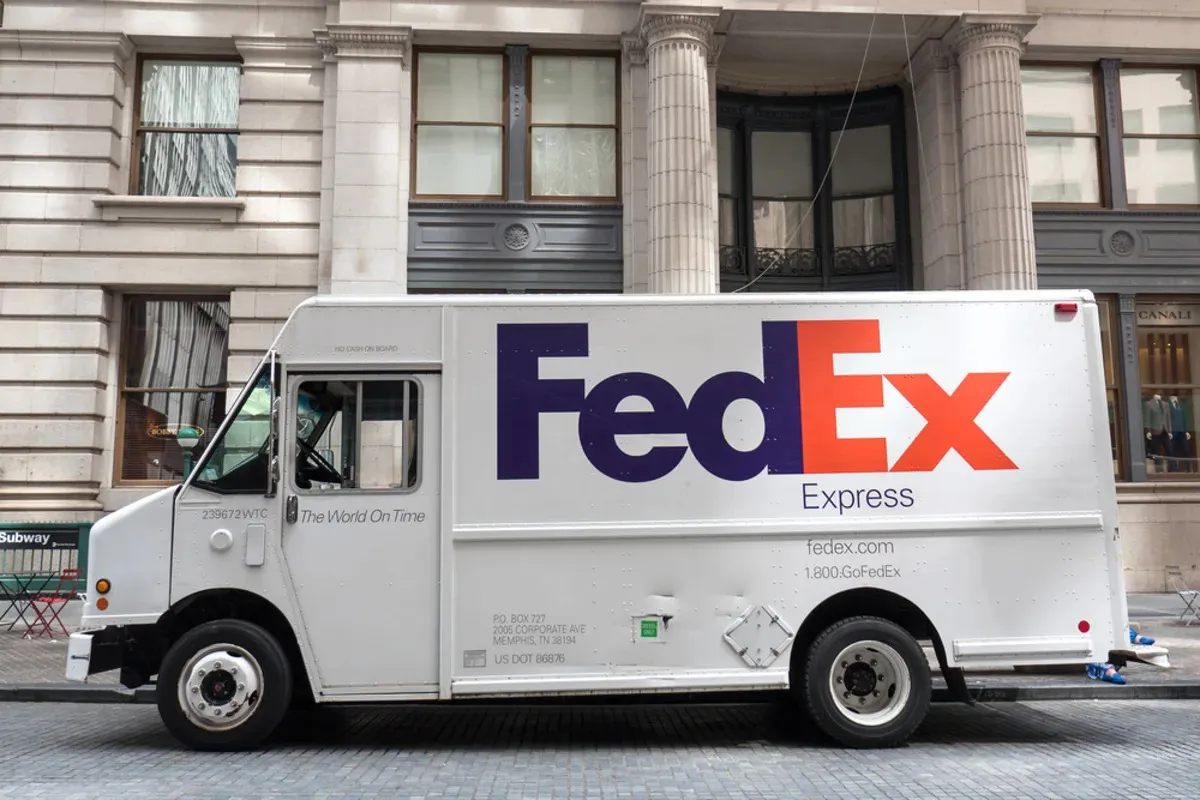
The recent spin-off of FedEx Freight Holding Company Inc. (NYSE: FDXF) has opened a new chapter for the logistics giant, revealing both opportunities and challenges. As the company adjusts to its newfound independence, the financial results for the fiscal year ending 2026 provide a glimpse into its operational resilience and strategic focus. With total revenue hitting $8.8 billion, marking a slight decline of 1.1% from the previous year, FedEx Freight's performance showcases a complex interplay of growth drivers and profitability pressures.
In the last quarter alone, FedEx Freight recorded $2.4 billion in revenue, representing a 4.8% increase year-over-year. This growth was buoyed by an impressive per-shipment revenue of $415.22, reflecting an 11.5% increase. However, the company also faced significant headwinds, such as declining shipment volumes and profitability metrics that have raised concerns among investors. As FedEx Freight navigates this transition period, understanding these dynamics will be critical for stakeholders invested in its future.

Current Financial Landscape
FedEx Freight's financial performance in FY26 offers valuable insights into its operational strategy and market positioning. The company's adjusted operating income for the full year stood at $1.1 billion, though this represents a 25.6% decline from the previous year. Additionally, the adjusted operating margin for the last quarter was 15.1%, down from higher levels in prior periods. These figures highlight the challenges the company faces in maintaining profitability amid fluctuating demand and operational costs.
Revenue Trends and Insights
The last quarter's revenue growth can be attributed to several factors, including:
- Fuel surcharge adjustments: These have positively impacted revenue, enabling FedEx Freight to pass some costs onto customers.
- Increased weight per shipment: This shift has allowed the company to benefit from higher pricing per transaction, even as shipment volumes declined.
- Operational efficiency: The company's ongoing commitment to improving its service delivery and network optimization has played a role in revenue stability.
Despite these positive indicators, the year-over-year decline in total revenue raises questions about the sustainability of such growth, especially with average daily shipments down by 5.9% to 86,700. This contraction in volume suggests that FedEx Freight must adapt its strategies to address changing market conditions effectively.

Strategic Responses to Market Challenges
In light of the challenges highlighted by the latest financial results, FedEx Freight has laid out a strategic roadmap aimed at enhancing its competitive positioning. The management has emphasized a differentiation strategy that focuses on delivering exceptional value to customers across North America. This approach is particularly crucial as the company transitions into its independent operational phase.
Projected Growth and Guidance
Looking ahead, FedEx Freight has projected revenue growth of between 4% and 6% for the transition period, building on the $5.1 billion achieved during the seven months ending December 31, 2025. Adjusted operating income is expected to range from $605 million to $645 million, with forecasts indicating an adjusted operating margin of 11.5% to 12.0%. These projections suggest a cautious optimism from management, but they also underscore the need for ongoing vigilance in addressing profitability challenges.
Investor Sentiment and Market Positioning
The sentiment around FedEx Freight's stock performance is mixed, with a notable number of hedge fund managers tracking the stock. As of the second quarter, 54 smart-money managers held positions in FDXF, and the short interest is relatively low at 2.62%. This indicates a lack of significant bearish sentiment, suggesting that many investors remain hopeful about the company’s recovery and growth.
Institutional Investments
Institutional investors play a critical role in stabilizing FedEx Freight’s market presence. BlackRock stands out as the largest institutional stakeholder, holding 9.08 million shares as of June 30, representing approximately 6.07% of outstanding shares. Other prominent investors, such as Dodge & Cox and Vanguard Capital Management, hold 4.80% and 4.72% of shares, respectively. Their involvement reflects confidence in the company's long-term potential, but ongoing scrutiny of its operational execution will remain essential.
Challenges Ahead for FedEx Freight
While FedEx Freight's financial performance shows resilience, several underlying challenges could impact its future trajectory. The company must address:
- Volume erosion: The decline in average daily shipments signals a need for improved marketing and customer engagement strategies.
- Cost management: Rising operational costs coupled with demand fluctuations necessitate a robust cost-control strategy to preserve margins.
- Pricing discipline: Ensuring consistent pricing across all segments will be vital to maintaining profitability.
Management's focus on enhancing network density and service offerings will be essential. By prioritizing these areas, FedEx Freight can better position itself to navigate the complexities of an evolving logistics landscape.
Key Takeaways
- FedEx Freight reported a slight revenue decline in FY26 despite a strong last quarter.
- The company faces challenges with shipment volume and profitability metrics, necessitating strategic adjustments.
- Institutional investment interest remains robust, suggesting confidence in future recovery.
- Projected revenue growth for the transition period is between 4% and 6%, but volume erosion remains a concern.
Frequently Asked Questions
What are the main financial highlights for FedEx Freight in FY26?
In FY26, FedEx Freight reported total revenue of $8.8 billion, which is a slight decline of 1.1% compared to FY25. The last quarter showed a revenue increase of 4.8% year-over-year, reaching $2.4 billion, with an adjusted operating income of $363 million and a margin of 15.1%. However, the overall adjusted operating income for the year dropped by 25.6% to $1.1 billion.
How does the spin-off affect FedEx Freight's operations?
The spin-off has allowed FedEx Freight to operate independently, which provides the company with more flexibility to implement its strategic initiatives. However, it also presents challenges as it must now fully bear its operational costs and market pressures without the support of the larger FedEx Corporation. This transition phase requires careful management of costs and focus on profitability.
What are the future growth projections for FedEx Freight?
FedEx Freight has projected revenue growth of 4% to 6% for the upcoming transition period. Management anticipates adjusted operating income to fall between $605 million and $645 million, with an operating margin of 11.5% to 12.0%. These projections reflect a cautious optimism but also highlight the need for strategic adjustments to overcome existing challenges.
What should investors consider when evaluating FedEx Freight?
Investors should closely monitor FedEx Freight's ability to convert its pricing power into sustainable margin recovery while addressing shipment volume declines. The company’s strategic focus on improving cost management and service enhancements will be essential for its long-term success. Given the mixed signals from financial performance, a careful assessment of the company's ongoing operational strategies is crucial for informed investment decisions.
*This content is educational, not financial advice.*
Comments
The Evolving Landscape of Swimming Pool Investments: A Dive into Private Equity
The swimming pool industry is experiencing a transformation as private equity firms increasingly focus on maintenance and servicing rather than new construction. This trend highlights the changing dynamics in consumer spending and investment opportunities in the sector.

Related articles







Popular in Investing
- Navigating the Dismal Landscape of 2026's Worst-Performing ETFs
- Navigating the Turbulent Waters of Energy Markets: A Deep Dive
- Stablecoin Market Faces $10 Billion Decline — What It Means for Investors
- Cotton Futures Surge Despite Increased Production Forecasts
- Avantus Secures $525 Million for Major California Solar Project