Freight Tankers Surge: How the Iran Conflict is Reshaping Shipping Investments
The Breakwave Tanker Shipping ETF has skyrocketed 3,600% amid geopolitical tensions. This article explores the implications for investors and the broader freight industry.
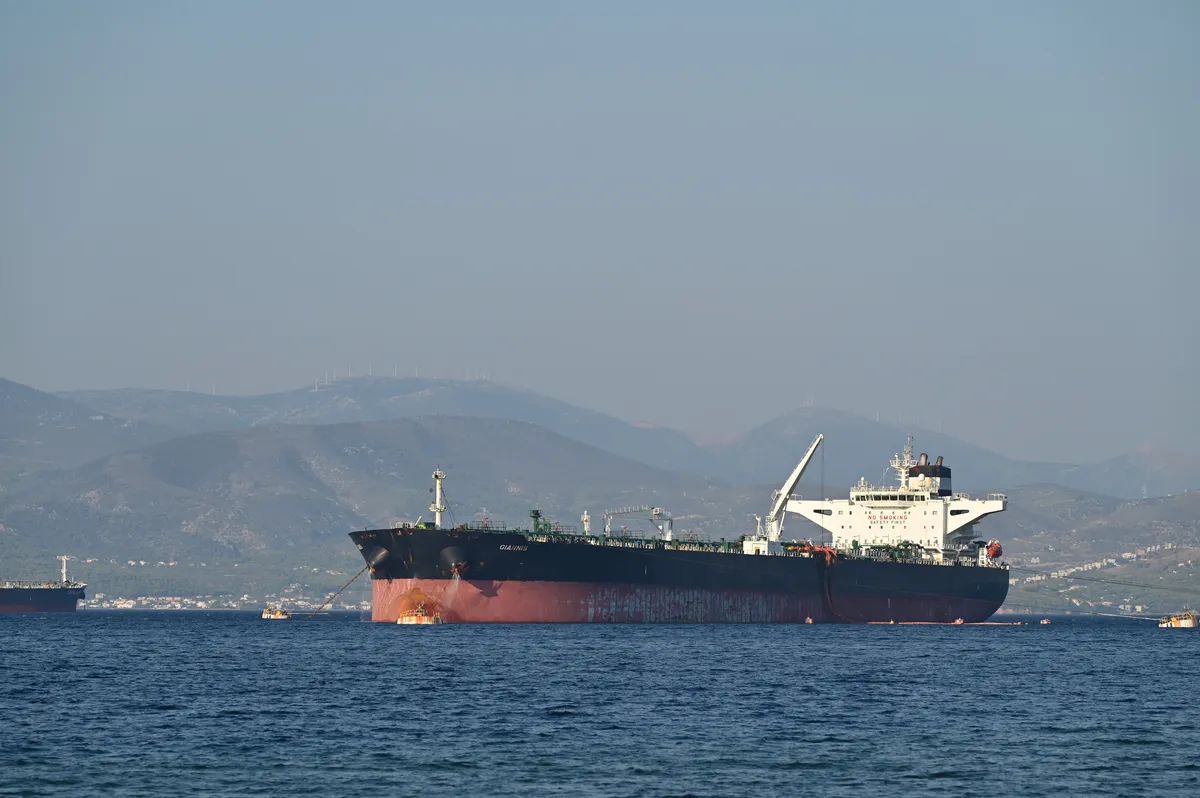
In an unexpected twist in the investment landscape, freight tankers have emerged as a surprising star performer this year. The Breakwave Tanker Shipping ETF (BWET), which tracks the cost of shipping oil rather than the price of crude itself, has seen its value rocket by approximately 3,600% year-to-date as of early September. This is largely attributed to escalating geopolitical tensions around the Iran conflict, which have severely disrupted shipping routes through the vital Strait of Hormuz, causing a surge in tanker traffic costs. With global investors on the lookout for robust returns amid economic uncertainty, BWET has transformed from an obscure asset into one of Wall Street's most talked-about trades.
The burgeoning demand for tanker services can primarily be traced back to a series of recent geopolitical developments, including Iran-backed Houthi rebels taking control of Yemen's vital port of Mocha and drone attacks on Saudi Arabia's East-West crude oil pipeline. These events have thrown the already precarious shipping landscape into further disarray, making it imperative for investors to understand both the risks and opportunities that lie within this sector.
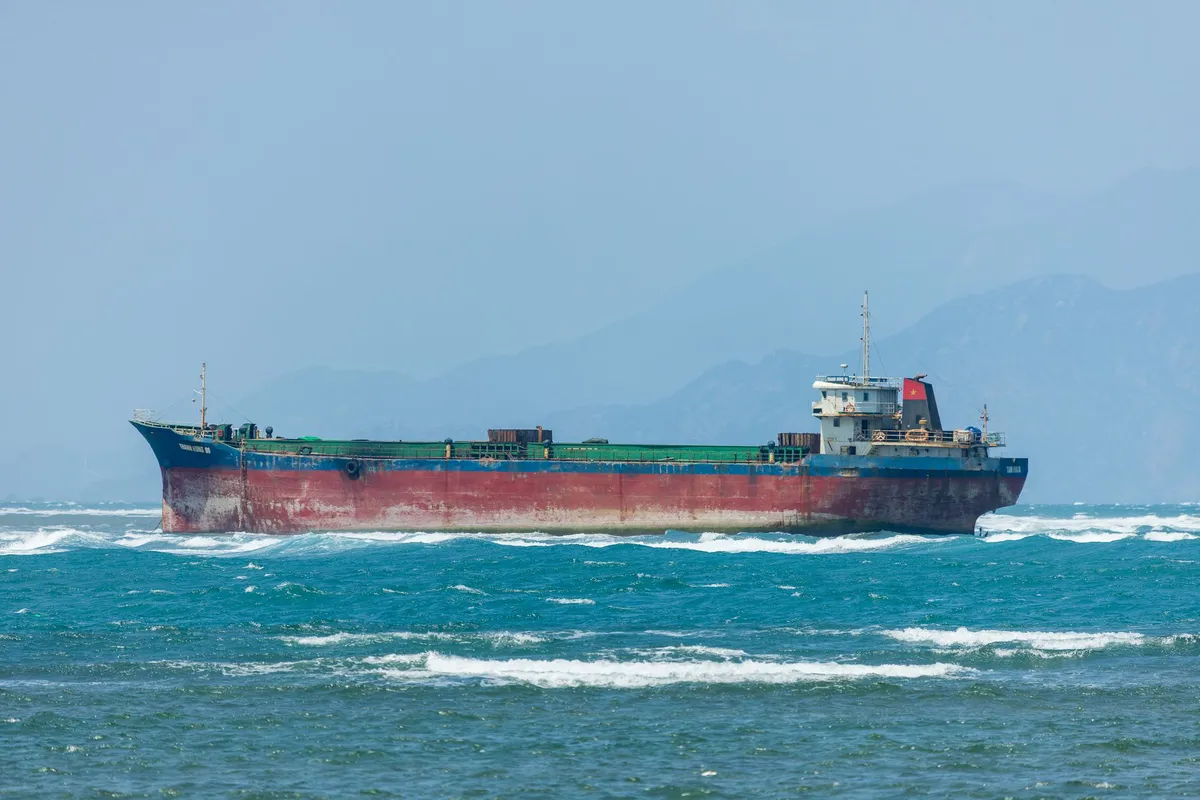
Understanding the Dynamics of the Tanker Market
At its core, BWET offers a unique investment opportunity by allowing investors to gain exposure to oil tanker futures without needing to delve directly into the futures market. John Murillo, chief business officer of B2BROKER, emphasizes that BWET is particularly sensitive to geopolitical events rather than merely the price of oil, which has made it increasingly valuable as conflict escalates.
What Drives Tanker Rates?
The rise in tanker rates has been staggering, with year-over-year rates on Middle Eastern oil tanker routes soaring nearly 500%. This dramatic increase is primarily driven by:
- Geopolitical Tensions: Conflicts such as the Iran war and drone attacks have rendered traditional shipping routes perilous.
- Supply Chain Disruptions: Tariffs and drought conditions have led to shipping shortages, forcing companies to pay exorbitant prices for available vessels.
- Increased Demand: As more companies seek to move goods, competition for limited shipping capacity drives up prices further.

The Ripple Effects of Rising Shipping Costs
The implications of skyrocketing shipping costs extend beyond the tanker market itself. Companies are increasingly forced to adapt their logistics strategies to cope with elevated freight expenses. Kyle Peacock, principal at Peacock Tariff Consulting, notes that traditional shipping practices have been upended, with companies competing fiercely for the highest bids. This competitive landscape has led to long-time clients being sidelined in favor of those willing to pay more.
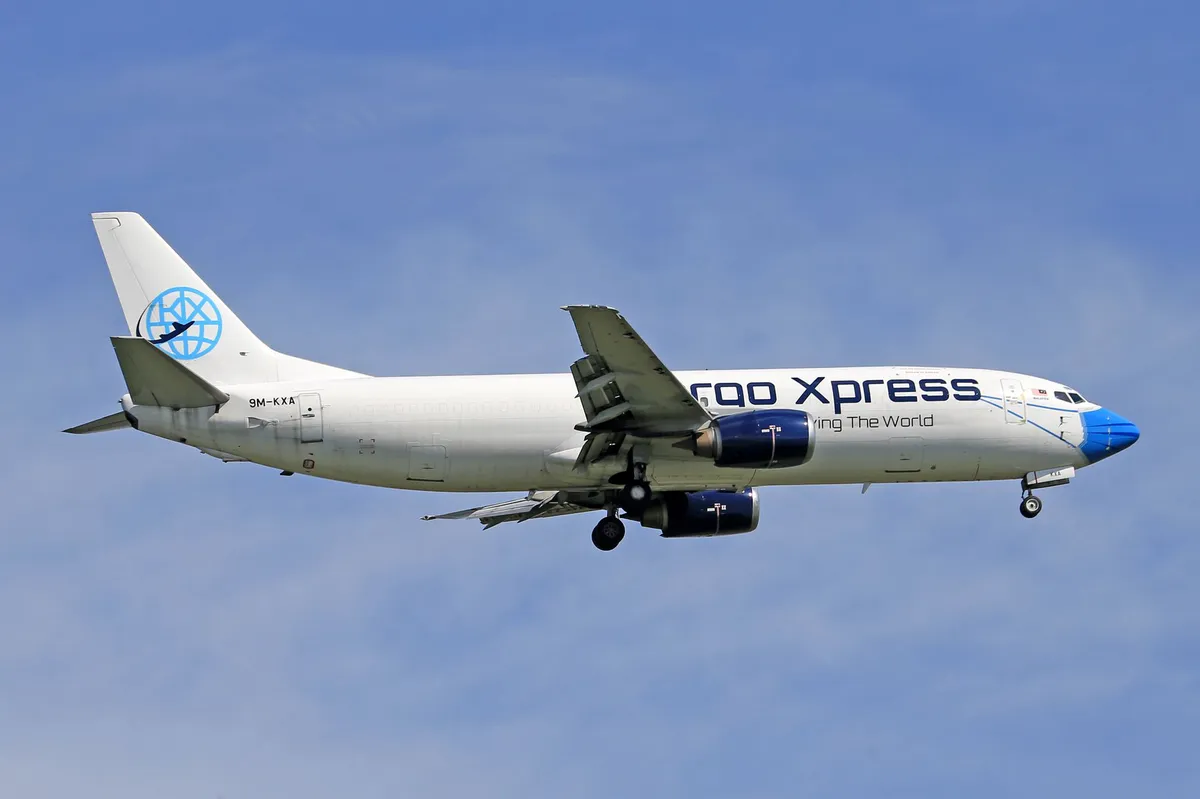
Furthermore, the rising costs are not limited to ocean freight. Air cargo rates have also surged, with the Baltic Air Freight Index reporting an 18.1% increase year-over-year in August. This suggests that all modes of freight transport are experiencing inflationary pressures that could persist for months, or even years, to come.
Market Outlook: Short-Term Gains vs. Long-Term Sustainability
Despite the remarkable performance of BWET, experts cautioned that the current high rates may not be sustainable in the long term. Eric Fullerton, vice president of product marketing at Project44, points out that the increased disruptions to shipping routes due to geopolitical instability and trade wars are becoming a new norm. These disruptions have led to staggering rates of shipping delays, with over 140,000 disruptions reported this year alone.
Future of Shipping Investments
Looking ahead, Fullerton anticipates that it could take 18 to 36 months for the supply of vessels to stabilize as new ships are constructed and deployed. Currently, around 200 vessels are under construction, which may help alleviate some of the acute shortages. However, the ongoing geopolitical tensions and trade disputes may continue to complicate the landscape, meaning that investors should stay vigilant.
Alternative Investment Strategies in Freight
For those interested in diversifying their exposure to the freight sector, there are alternative ETFs that provide broader coverage. The U.S. Global Sea to Sky Cargo ETF (SEA) offers a mix of sea and air freight investments, while the SonicShares Global Shipping ETF (BOAT) focuses on companies involved in the maritime shipping industry. Both funds have posted impressive year-to-date returns, with SEA at 42% and BOAT at 70% as of early September. Investing in these funds may provide a balance between exposure to the burgeoning tanker market and the diversification benefits of broader freight investments.
Key Takeaways
- Freight Tankers Are Rising: BWET has surged 3,600% year-to-date, driven by geopolitical tensions affecting shipping routes.
- Broader Impacts: Rising shipping costs are impacting not just tankers, but air freight and overall supply chains.
- Long-Term Risks: The sustainability of high tanker rates is uncertain, with new vessels expected to take time to enter the market.
- Diversified Options: Alternative ETFs like SEA and BOAT offer investors broader exposure to the freight sector.
Frequently Asked Questions
What is BWET and why has it performed so well?
BWET is the Breakwave Tanker Shipping ETF, which tracks the pricing of shipping oil rather than crude oil itself. Its dramatic performance is largely due to heightened geopolitical tensions that have inflated tanker rates, elevating demand for this unique investment.
How do geopolitical events affect shipping costs?
Geopolitical events, such as conflicts and trade disputes, can disrupt traditional shipping routes, leading to scarcity of available vessels. This scarcity drives up shipping costs as companies compete for limited space, resulting in substantial increases in freight rates.
Are there risks associated with investing in BWET?
Yes, investing in BWET carries significant risks, mainly due to the volatility of the freight market and the underlying geopolitical dynamics. Changes in global politics can lead to sudden shifts in shipping costs and availability, making it essential for investors to stay informed.
What are some alternative investment options in the freight sector?
Investors looking for alternatives to BWET can consider the U.S. Global Sea to Sky Cargo ETF (SEA) and the SonicShares Global Shipping ETF (BOAT), both of which provide broader exposure to the freight market while mitigating some of the risks associated with a concentrated investment in tanker futures.
Disclaimer: This content is educational, not financial advice.
Comments
Assessing Pfizer's Dividend: Should Investors Be Worried?
Pfizer's stock faces challenges, but its dividend might be more secure than it appears. This article explores the sustainability of its payout amid changing market conditions.

Related articles







Popular in Investing
- Navigating the Dismal Landscape of 2026's Worst-Performing ETFs
- Navigating the Turbulent Waters of Energy Markets: A Deep Dive
- Stablecoin Market Faces $10 Billion Decline — What It Means for Investors
- Cotton Futures Surge Despite Increased Production Forecasts
- Avantus Secures $525 Million for Major California Solar Project