GE Aerospace's $12 Billion CPP Acquisition: A Strategic Gamble
GE Aerospace's acquisition of Consolidated Precision Products for $12 billion raises questions about its growth strategy amidst soaring demand in the aerospace sector.
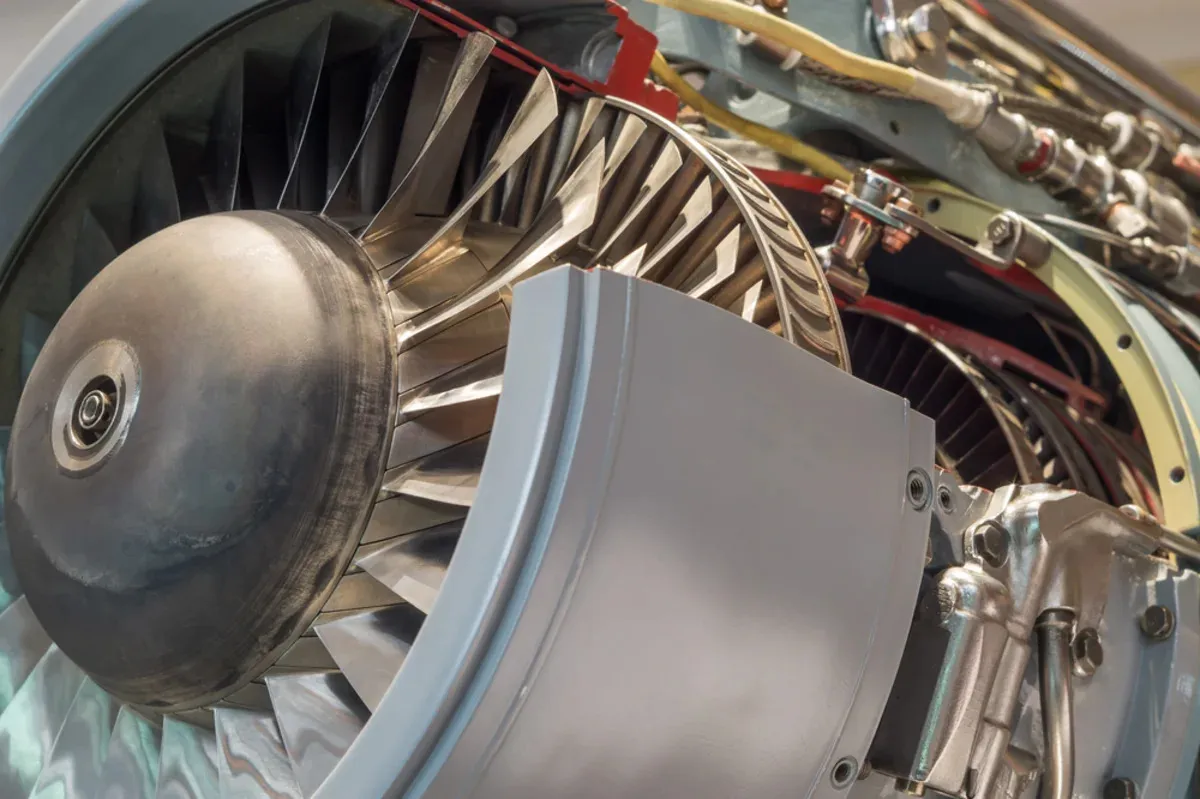
In a bold move that underscores its ambitious growth strategy, GE Aerospace is set to acquire Consolidated Precision Products (CPP) for approximately $12 billion. This acquisition marks GE's largest investment since it restructured into a standalone publicly traded company. Given the current landscape of the aerospace industry, characterized by unprecedented demand and ongoing supply chain constraints, this acquisition could either be a masterstroke or a misstep for the company.
As one of the world’s leading suppliers of precision castings, CPP plays a crucial role in the manufacturing of aerospace engines, including GE's own LEAP and GEnx models. With a staggering backlog of over $210 billion, of which more than $170 billion stems from commercial services, GE Aerospace is under pressure to enhance its production capabilities. The acquisition of CPP is not merely a defensive strategy; it is a calculated attempt to gain greater control over critical supply chain components, thereby positioning the company to fulfill its burgeoning demand more efficiently.
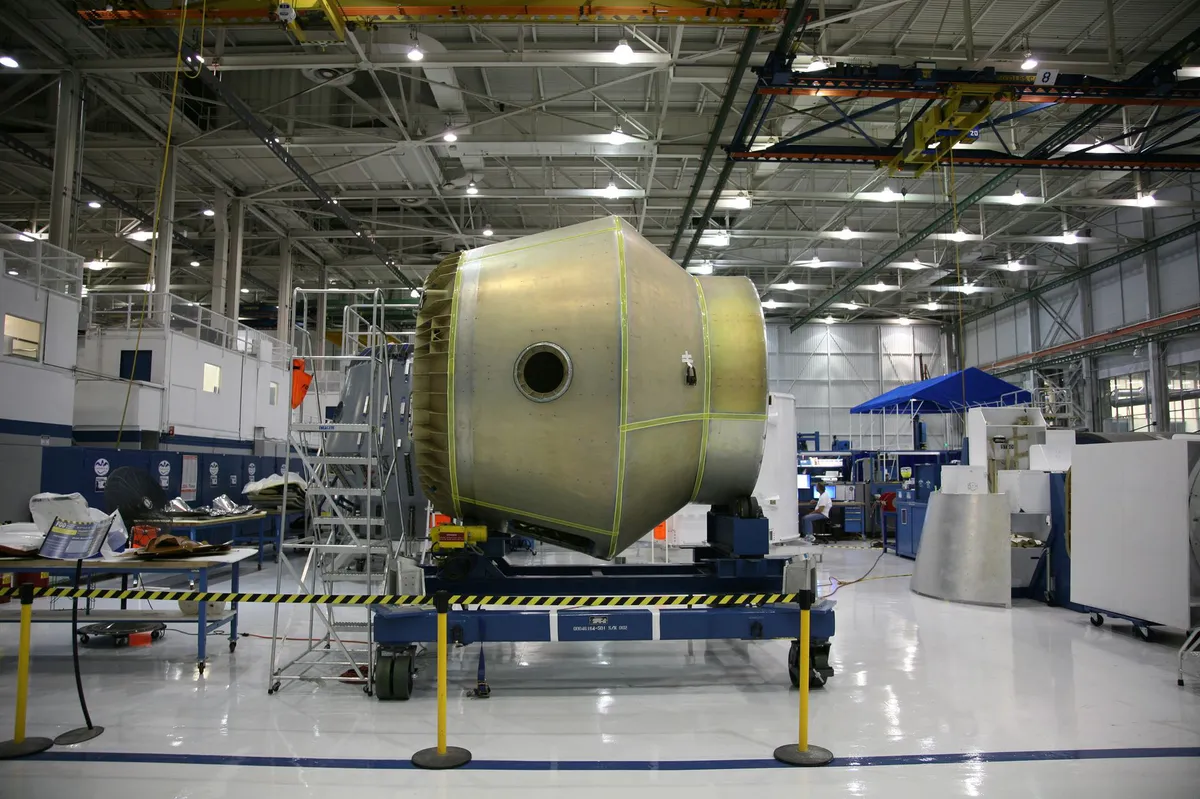
Understanding the Strategic Rationale Behind the Acquisition
The aerospace sector is currently experiencing a paradigm shift. As air travel rebounds post-pandemic, manufacturers are grappling with supply chain disruptions that have hindered their ability to meet soaring demand. GE Aerospace, in particular, has faced challenges in scaling its production to match its orders. By acquiring CPP, GE aims to address these constraints head-on.
Key Benefits of the CPP Acquisition
- Increased Production Capacity: GE plans to ramp up CPP's output by enhancing factory yields and optimizing machine utilization.
- Alignment with Core Markets: With 70% of CPP's revenue derived from commercial and defense engines, the acquisition aligns closely with GE Aerospace's existing operations.
- Revenue Growth Potential: GE anticipates that CPP will generate around $2 billion in revenue by 2027, contributing significantly to the company’s top line.
Financial Considerations and Risks
Despite the strategic benefits, the financial implications of the acquisition are complex. GE is valuing CPP at approximately 26 times its expected 2027 EBITDA before net synergies, which raises concerns about whether the premium price will yield sufficient returns. The acquisition will be funded through a combination of cash reserves and debt, introducing additional financial risk.
Challenges in Realizing Financial Gains
For the acquisition to be deemed successful, GE must achieve higher factory yields and greater production efficiency. The primary risk lies in CPP's ability to alleviate the production constraints that GE is currently facing. If the integration of CPP does not translate into increased output, the financial burden of the acquisition could weigh heavily on GE's balance sheet.

Market Reactions and Investor Sentiment
The market's reaction to the acquisition has been mixed. Recent data indicates a slight decline in hedge fund interest in GE Aerospace, with the number of funds holding the stock decreasing from 119 to 113 in the second quarter of 2026. Furthermore, short interest in GE shares has dropped by 5.9%, suggesting a cautious optimism among investors.
Investor Concerns
Investors are particularly focused on whether this acquisition will enable GE to convert its substantial demand pipeline into accelerated production and cash flow. If GE can effectively leverage CPP's capabilities, the acquisition could prove beneficial. However, failure to do so could lead to increased debt without commensurate returns, negatively impacting investor sentiment.

Future Outlook for GE Aerospace
Looking ahead, the success of the CPP acquisition will hinge on GE's ability to integrate the new assets and enhance production efficiencies. The aerospace sector is poised for long-term growth, driven by resurgent air travel and increasing defense spending, but companies must navigate a complex landscape of supply chain challenges and rising costs.
Potential for Long-Term Gains
If GE can successfully increase its production capacity through the CPP acquisition, the company stands to benefit from a larger installed base of engines. This, in turn, could enhance its aftermarket business, providing a steady stream of recurring revenue. The opportunity to innovate with new engine technologies also adds a layer of potential growth that could justify the acquisition’s premium price.
Key Takeaways
- GE Aerospace is acquiring CPP for $12 billion to enhance production capabilities.
- The acquisition aligns with GE's core markets, focusing on commercial and defense engines.
- Investors are cautiously optimistic but concerned about the financial implications of the premium price.
- Successfully integrating CPP will be crucial for generating the expected cash flow and revenue growth.
- The aerospace industry's growth trajectory presents opportunities for long-term gains post-acquisition.
Frequently Asked Questions
What is Consolidated Precision Products (CPP)?
Consolidated Precision Products is one of the largest providers of precision castings in the aerospace sector. The company produces critical components for various aircraft engines, making it a key supplier for major manufacturers like GE Aerospace. The acquisition of CPP is strategic for GE, as it aims to increase its control over the production of essential engine parts.
How will GE Aerospace finance the acquisition of CPP?
GE Aerospace plans to finance the CPP acquisition through a combination of cash reserves and debt. This approach raises concerns about the financial burden associated with the premium price of the acquisition. GE must balance its funding strategy with the need to enhance production efficiency to justify the investment.
What are the potential risks associated with the acquisition?
The primary risks include integration challenges, the potential inability to achieve the anticipated production efficiencies, and the burden of additional debt. If GE cannot effectively leverage CPP's capabilities to increase output, the investment may not yield the expected financial returns, leading to a strain on the company’s resources.
What does this acquisition mean for the aerospace industry?
The acquisition reflects the current dynamics within the aerospace industry, where companies are striving to overcome supply chain disruptions and meet increasing demand. By acquiring a critical supplier like CPP, GE Aerospace aims to enhance its production capabilities and position itself favorably in a competitive market. This could set a precedent for future acquisitions within the industry as companies seek to secure their supply chains.
This content is educational and not financial advice.
Comments
LX Pantos: Pioneering Global Logistics with a Vision for the Future
Founded in 1977, LX Pantos is transforming into a global logistics leader. With a focus on integrated solutions and sustainable practices, the company adapts to changing market demands and geopolitical shifts.

Related articles







Popular in Investing
- Navigating the Dismal Landscape of 2026's Worst-Performing ETFs
- Navigating the Turbulent Waters of Energy Markets: A Deep Dive
- Stablecoin Market Faces $10 Billion Decline — What It Means for Investors
- Cotton Futures Surge Despite Increased Production Forecasts
- Avantus Secures $525 Million for Major California Solar Project