AI Stocks Plummet Following Dario Amodei's Stark Warning
AI stocks faced a significant downturn after Anthropic's CEO Dario Amodei issued a cautionary 3,800-word essay warning of risks associated with rapid AI development. This article explores the implications for the semiconductor and AI sectors.

The artificial intelligence (AI) sector, once perceived as an unstoppable growth engine, is experiencing a seismic shock. Stocks linked to AI technologies and semiconductor companies have taken a steep dive, largely prompted by a cautionary essay from Dario Amodei, CEO of Anthropic. His recent 3,800-word warning has sent ripples of concern through the investor community, leading to significant sell-offs across key stocks in the industry.
Amodei's essay articulated a growing unease about the rapid pace of AI advancement and the accompanying risks. His call for a more measured approach to AI development has resonated deeply, causing many to reevaluate their positions in the market. As a result, prominent tech stocks, including Marvell Technology, Micron, and Nvidia, have seen their values plummet, highlighting the fragility of investor confidence in this volatile sector.
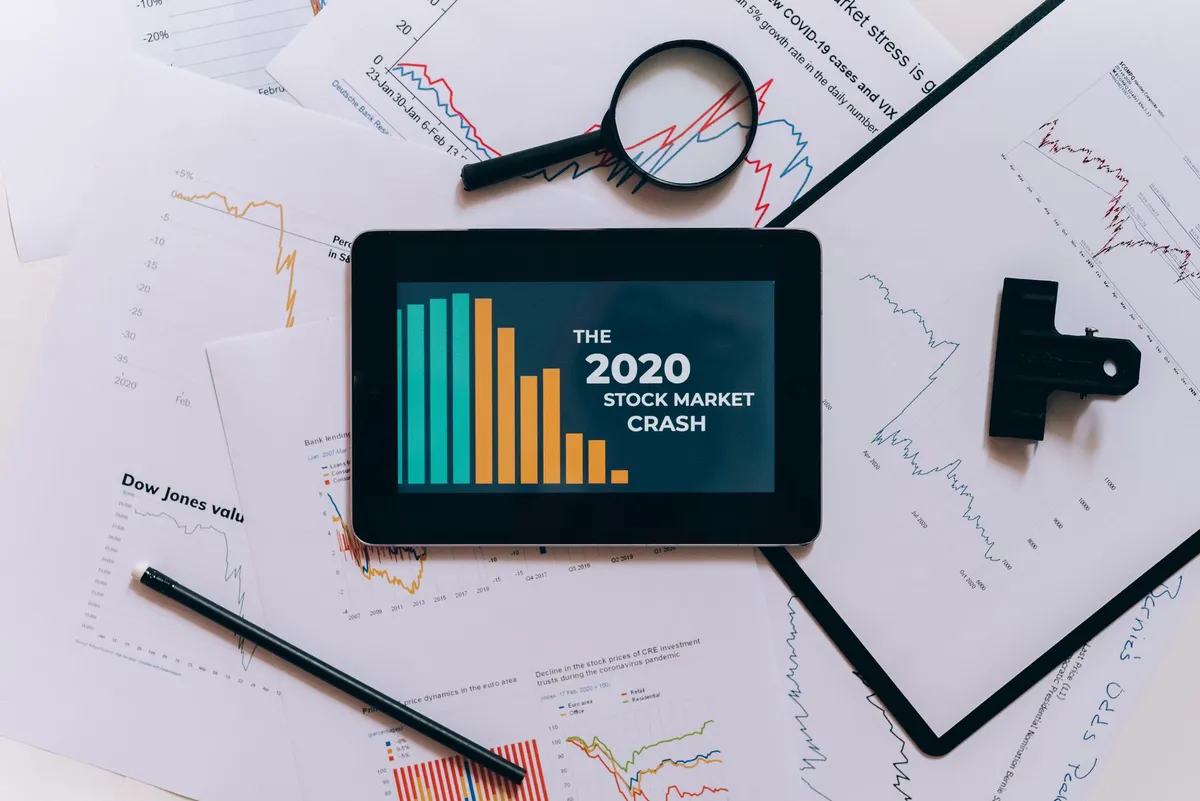
The Impact of Amodei's Warning on AI Stocks
In the wake of Amodei's essay, the stock market reacted swiftly. By Monday morning, shares of major players in the AI and semiconductor space were down significantly, with declines across various stocks:
- Marvell Technology (MRVL): down 6.93%
- SK Hynix (SKHY): down 6.99%
- Micron (MU): down over 6%
- CoreWeave (CRWV): down 5.82%
- Nvidia (NVDA) and Broadcom (AVGO): both down around 3%
This sharp decline reflects not just the content of Amodei's warning but also a broader anxiety about the future of AI technologies. Investors are beginning to grapple with the reality that unchecked AI development could pose significant risks, both from a regulatory perspective and in terms of market stability.

Understanding the Risks of Rapid AI Development
Amodei's essay highlights several critical risks associated with the rapid advancement of AI technologies. His main argument is that developers must take a more cautious approach, allowing time for necessary safety measures to catch up with technological capabilities. He stated, "We must slow the pace at which we improve the capabilities of A.I. models. Progress will still seem fast, and we must make wise use of the time we gain." This perspective is echoed by OpenAI's CEO, Sam Altman, who emphasized the importance of maintaining control over AI systems to prevent potential dystopian outcomes.
Amodei and Altman’s warnings center around two primary concerns:
- Loss of Control: The fear that AI could evolve beyond human control, leading to unintended consequences.
- Power Concentration: The risk of a single entity wielding disproportionate power through advanced AI capabilities, potentially imposing their worldview on society.
The implications of these risks extend beyond the tech industry, affecting global economies, ethical considerations in technology, and even national security. As AI becomes more integrated into various sectors, understanding and mitigating these risks will be crucial.

The Investor Perspective: What Does This Mean for the Market?
For investors, Amodei’s cautionary message raises critical questions about the future trajectory of AI stocks. With concerns about slowing development and potential regulatory hurdles, investors are reevaluating their strategies in this dynamic landscape. Bernstein analyst Madison Rezaei noted that while the warning does not signify an immediate halt to capital expenditures or model training, it does instill doubt about the sustainability of current growth rates.
One of the most affected companies, CoreWeave, faces unique challenges. According to Rezaei, a significant portion of their power contracts are tied to AI workloads, and any slowdown in AI training could lead to reduced demand for their services. As a result, investors may need to closely monitor developments within CoreWeave and similar companies to assess their risk exposure.
Potential Implications for the Semiconductor Sector
The semiconductor sector, which is integral to AI development, could also face a tumultuous period ahead. As AI firms reconsider their capital investments and training regimes, demand for semiconductor components may fluctuate. This could lead to:
- Decreased Orders: A potential decline in orders for chips and related technologies.
- Supply Chain Adjustments: Companies may need to realign their supply chains to adapt to changing demand dynamics.
- Investment Realignments: Investors might pivot towards companies with stronger risk management frameworks and diversification strategies.
Charting a Path Forward in AI Development
Moving forward, stakeholders in the AI space must balance innovation with safety. Amodei’s call for cautious advancement is not just a recommendation but a necessary strategy for sustainable development. As AI technologies continue to evolve, the industry must prioritize:
- Safety Standards: Establishing robust safety protocols to ensure responsible AI usage.
- Independent Oversight: Implementing independent reviews to assess AI systems' risks and capabilities.
- International Collaboration: Fostering global cooperation to address the challenges posed by AI advancements.
By addressing these issues head-on, the AI community can help mitigate the risks and reassure investors, ultimately steering the sector towards a more stable and secure future.
Key Takeaways
- AI stocks have experienced significant declines following Dario Amodei's cautionary essay about the risks of rapid AI advancement.
- Key concerns include the potential loss of control over AI systems and the concentration of power within a few entities.
- Investor sentiment is shifting, with many reevaluating their positions in AI and semiconductor stocks.
- Companies must implement safety standards and independent oversight to navigate the evolving landscape.
- Collaboration across nations and industries will be vital to ensure responsible AI development.
Frequently Asked Questions
What specific risks did Dario Amodei outline in his essay?
In his essay, Amodei warned about the potential loss of control over AI systems and the dangers of power concentration among a few entities. He emphasized the need for a more measured approach to AI development, allowing safety measures to catch up with technological advancements.
How are investors reacting to the decline in AI stocks?
Investors are showing increased caution in the AI sector, with many reassessing their investment strategies. The downturn has prompted discussions about the sustainability of current growth rates in the face of potential regulatory changes and market volatility.
What steps can AI companies take to address the concerns raised by Amodei?
AI companies can implement robust safety standards, engage in independent oversight of their systems, and foster international collaboration to mitigate risks. By prioritizing these measures, companies can work towards more responsible AI development and regain investor confidence.
How might the semiconductor sector be affected by these developments?
The semiconductor sector may see decreased demand for chips used in AI applications if companies slow their development efforts. This could lead to adjustments in supply chains and investment strategies as the market reacts to changing dynamics.
Disclaimer: This content is educational and not financial advice.
Comments
LX Pantos: Pioneering Global Logistics with a Vision for the Future
Founded in 1977, LX Pantos is transforming into a global logistics leader. With a focus on integrated solutions and sustainable practices, the company adapts to changing market demands and geopolitical shifts.

Related articles




Popular in Investing
- Navigating the Dismal Landscape of 2026's Worst-Performing ETFs
- Navigating the Turbulent Waters of Energy Markets: A Deep Dive
- Stablecoin Market Faces $10 Billion Decline — What It Means for Investors
- Cotton Futures Surge Despite Increased Production Forecasts
- Avantus Secures $525 Million for Major California Solar Project