Market Volatility: AI Slowdown and Oil Price Surge Impact Stocks
The S&P 500 and Nasdaq faced declines amid concerns over AI development and surging oil prices. This article explores the implications of these market shifts for investors and the broader economy.

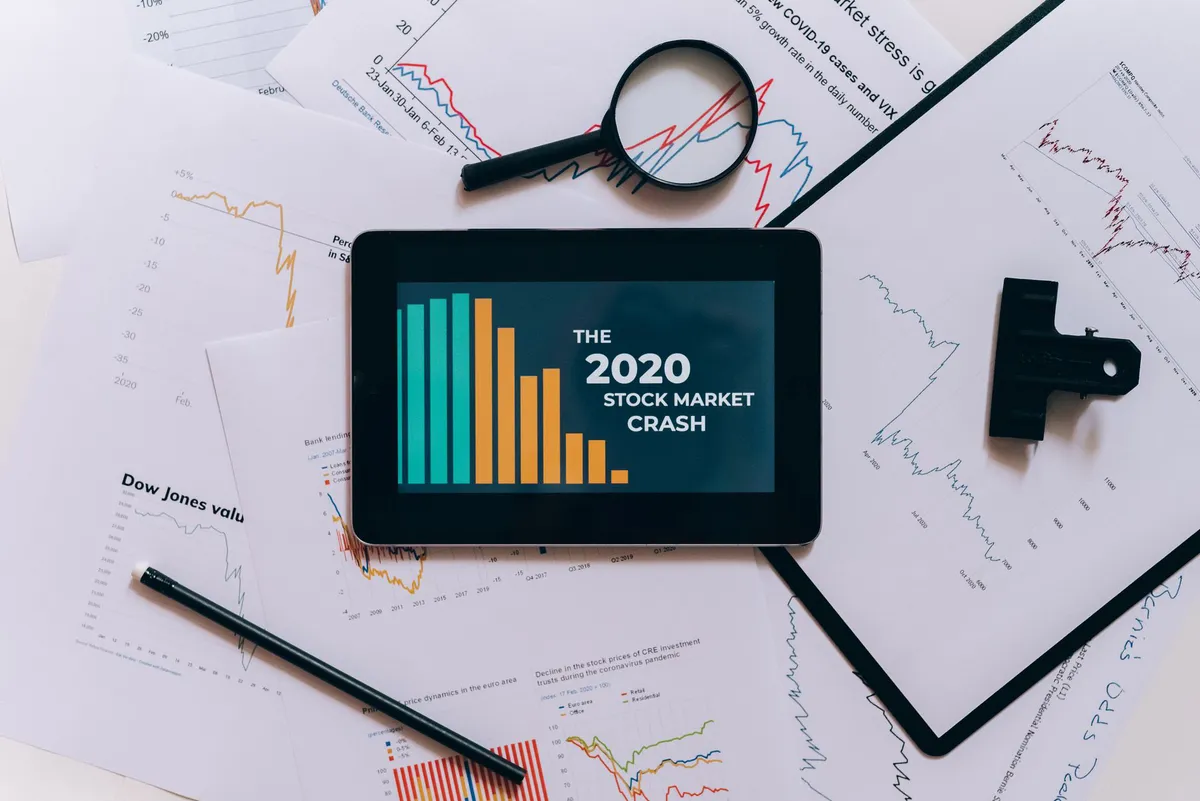
On September 14, 2026, U.S. stock markets faced notable declines as fears surrounding the pace of artificial intelligence (AI) development collided with surging oil prices. The S&P 500 dropped by 0.7%, while the Nasdaq Composite saw a sharper decline of 1.2%. The Dow Jones Industrial Average also felt the pressure, finishing the day down by 140 points, or 0.3%. These movements highlight the interconnected nature of modern financial markets, where technological advancements and geopolitical events can create ripples that affect investor sentiment and market performance.
The catalyst for the market's downturn came from comments made by prominent leaders in the AI sector. Anthropic CEO Dario Amodei published an essay urging AI companies to consider slowing their development of advanced models. He expressed concerns regarding the safety risks associated with rapid innovation. In a follow-up interview, he raised the complex issue of international cooperation, particularly regarding whether countries like China would reciprocate such a slowdown. Meanwhile, OpenAI CEO Sam Altman cautioned that an initial public offering (IPO) this year could be "ill-advised," signaling potential caution in the tech sector.
Impact of AI Development Concerns on Technology Stocks
The technology sector, particularly semiconductor stocks, experienced significant volatility as a direct result of these AI-related discussions. Major players such as Nvidia and Broadcom saw their stocks decline by 3%. Advanced Micro Devices (AMD), Intel, and Marvell Technology faced even steeper losses of 5%, 7%, and 8%, respectively. This downturn reflects a broader apprehension among investors about the future profitability of tech companies that rely heavily on AI advancements.
The Broader Implications for the Tech Sector
Investors are increasingly aware of the implications of regulatory scrutiny in the AI sector, which could potentially stifle growth. As companies like Anthropic and OpenAI signal caution, investors may begin to reassess their valuations. This could result in a reevaluation of tech stocks, particularly those closely tied to AI technologies. The question investors must consider is whether these companies can maintain their growth trajectories in a more regulated environment.

Rising Oil Prices: A New Dimension of Market Pressure
While AI developments are absorbing headlines, surging oil prices are adding another layer of complexity to the market landscape. Brent crude futures rose by 4%, exceeding $108 a barrel, while West Texas Intermediate crude prices gained 3%, surpassing $103 a barrel. This surge comes in the wake of geopolitical tensions, particularly following a series of drone attacks that forced Saudi Arabia to shut down its East-West oil pipeline, a critical route for oil transportation.
The Geopolitical Context
The instability in the Middle East has heightened concerns over oil supply, which, in turn, affects global economic conditions. The pipeline closure is significant; it underscores the vulnerabilities in global energy infrastructure and raises the specter of inflationary pressures due to rising energy costs. Historically, spikes in oil prices have led to increased costs for consumers and businesses alike, which can curtail spending and economic growth.
- Brent Crude: Surged to over $108/barrel
- WTI Crude: Exceeded $103/barrel
- Saudi Pipeline: Shut down due to drone attacks

Market Reactions and Federal Reserve Concerns
The combination of AI fears and rising oil prices has created a challenging environment for investors. The Dow Jones, for instance, experienced its steepest weekly decline since March, dropping 1.6% over five sessions. The S&P 500 and Nasdaq also recorded losses of approximately 0.8% and 0.7%, respectively. It’s essential to consider how these trends intersect with the Federal Reserve's monetary policy, particularly as the central bank convenes for its September policy meeting.
Interest Rates and Inflation Concerns
The Fed's decisions are critical in this context; with traders assigning an 88% probability to a rate increase at the upcoming meeting, the specter of rising interest rates looms large. Higher rates could dampen economic growth by increasing borrowing costs for consumers and businesses. Additionally, the 10-year U.S. Treasury yield climbed past 4.98%, reflecting investor concerns about persistent inflation and the potential for a prolonged period of elevated interest rates.
Key Takeaways
- U.S. stock markets declined due to AI development concerns and rising oil prices.
- Tech stocks, particularly semiconductor companies, faced significant losses.
- Geopolitical tensions in the Middle East are driving oil prices higher.
- The Federal Reserve's upcoming meeting may lead to interest rate increases, impacting economic growth.
Frequently Asked Questions
Why are AI development concerns affecting tech stocks?
AI development concerns are affecting tech stocks primarily because leading companies in this sector are signaling a potential slowdown in innovation due to safety and regulatory considerations. Investors fear that such a slowdown could hinder growth prospects and profitability, leading to lower valuations for tech stocks that rely heavily on AI advancements. As a result, the market reacts negatively to any indication of reduced growth potential in this sector.
How do rising oil prices impact the overall economy?
Rising oil prices can have a multifaceted impact on the economy. Higher oil prices typically lead to increased costs for consumers, particularly in transportation and energy. This can result in decreased disposable income and spending, which in turn can slow economic growth. Additionally, businesses may face higher operational costs, which could reduce profit margins and lead to potential layoffs or reduced hiring. Historically, significant increases in oil prices have been linked to economic slowdowns.
What should investors consider during market volatility?
During periods of market volatility, investors should focus on maintaining a diversified portfolio to mitigate risks. It’s crucial to assess individual investment goals and risk tolerance, especially in sectors affected by external factors such as geopolitical tensions or technological changes. Investors should also stay informed about macroeconomic developments, including Federal Reserve policies and inflation trends, as these can significantly impact market dynamics.
What is the Federal Reserve's role in the current economic climate?
The Federal Reserve plays a critical role in managing the economy through its monetary policy decisions. By adjusting interest rates, the Fed aims to influence economic activity, control inflation, and stabilize the financial system. In the current climate, characterized by rising prices and potential economic slowdown, the Fed's upcoming decisions regarding interest rate adjustments will be closely watched by investors and analysts alike, as they could have far-reaching effects on both the stock market and the broader economy.
This content is educational, not financial advice.
Comments
LX Pantos: Pioneering Global Logistics with a Vision for the Future
Founded in 1977, LX Pantos is transforming into a global logistics leader. With a focus on integrated solutions and sustainable practices, the company adapts to changing market demands and geopolitical shifts.

Related articles






Popular in Investing
- Navigating the Dismal Landscape of 2026's Worst-Performing ETFs
- Navigating the Turbulent Waters of Energy Markets: A Deep Dive
- Stablecoin Market Faces $10 Billion Decline — What It Means for Investors
- Cotton Futures Surge Despite Increased Production Forecasts
- Avantus Secures $525 Million for Major California Solar Project