The Energy Frontier: A New Era of Power Dynamics in AI Development
As the demand for AI technologies surges, the competition for clean, reliable electricity intensifies. This article explores the geopolitical and economic implications of the coming 'power war' over energy resources that will shape the AI landscape.
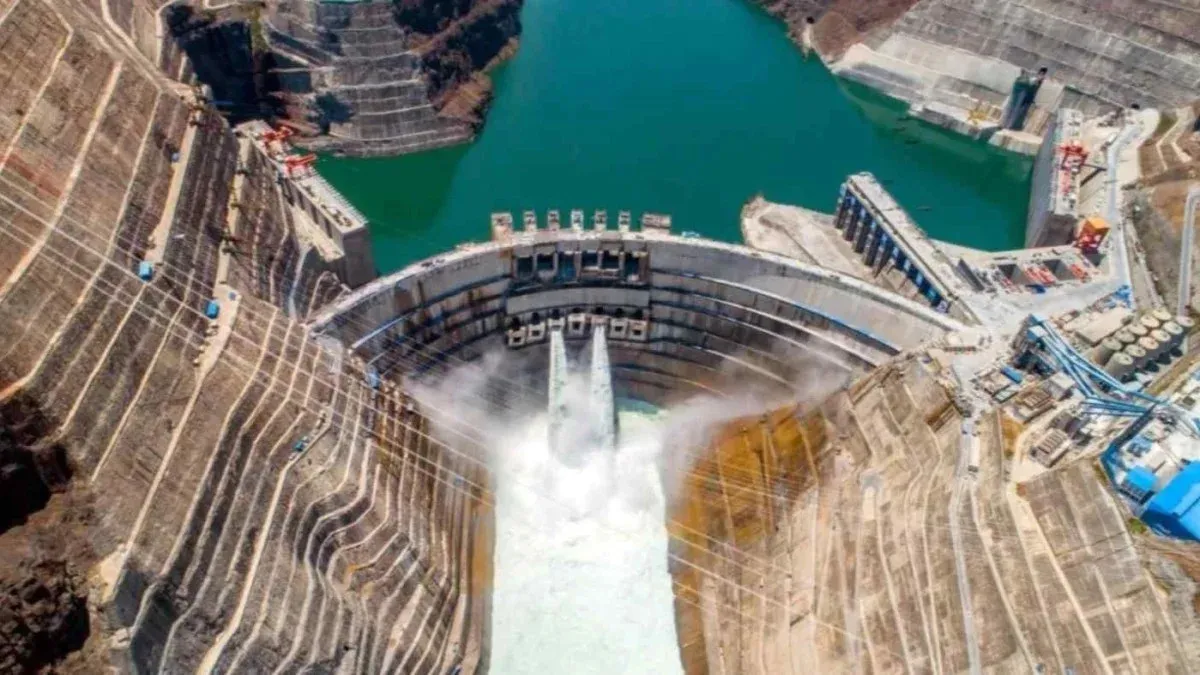
The dawn of artificial intelligence (AI) is upon us, promising transformative changes across various sectors and reshaping the global economy. However, as the appetite for AI technologies expands, a crucial and often overlooked resource has emerged as the new battleground: electricity. The demand for clean, large-scale energy to support AI workloads is skyrocketing, and with it, the competition for control over this essential resource is intensifying. The implications of this 'power war' extend beyond corporate competition; they are set to redefine geopolitical landscapes as nations vie for strategic leverage in the AI economy.
Throughout history, economic eras have been characterized by significant struggles over vital resources. The 19th century was largely shaped by coal, fueling the rise of the British Empire. The 20th century was dominated by oil, which dictated the balance of power in the Middle East and influenced American global dominance. In the early 21st century, semiconductors became the focal point of economic conflicts, leading to the emergence of powerful technology giants and heightened trade tensions with China. Now, as we enter the AI era, the next major resource at stake is clean and secure electricity, critical for powering the vast computational needs of AI systems.
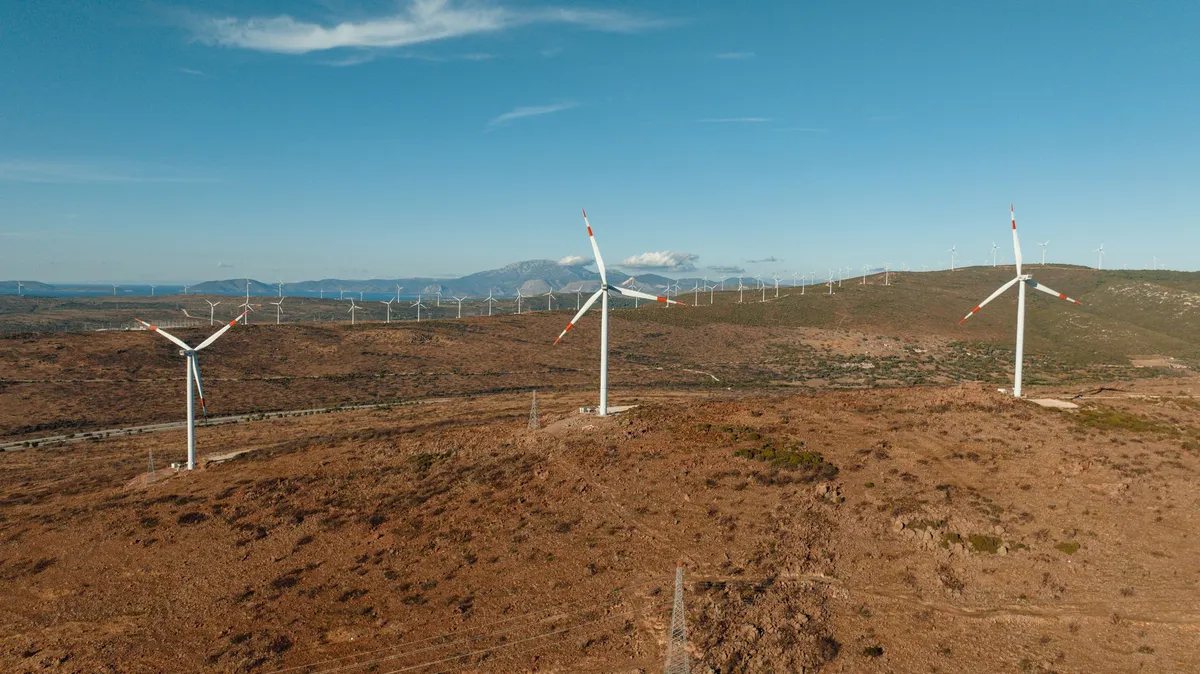
Understanding the Demand for AI-Grade Power
AI technologies, especially advanced models like ChatGPT, require tremendous amounts of energy. A single query can consume approximately ten times the energy of a typical Google search, illustrating just how resource-intensive these technologies are. As we look ahead, industry projections indicate that capital expenditures for AI data centers could reach around $5.2 trillion by 2030. According to Goldman Sachs, global data center power demand is expected to surge by up to 165% in the same timeframe.
The Implications of Insufficient Power Supply
This unprecedented growth in energy consumption for AI applications has no historical precedent. The scale and speed at which AI infrastructure is being built is reminiscent of the Industrial Revolution, yet it is taking place over a mere decade rather than a century. The challenge lies in the fact that the current global supply of clean, reliable electricity is insufficient to meet this burgeoning demand. The timeline for developing new generation, transmission, and capacity interconnection is estimated to take ten to fifteen years, creating a significant gap between supply and demand.
As a result, entities that control AI-grade power capacity in favorable jurisdictions are poised to become strategic players in this emerging market. This situation creates a new type of economic warfare, as nations and corporations seek to secure energy resources before the inevitable surge in demand renders them nearly impossible to obtain.

Four Fronts in the Power War
The competition for energy resources to fuel AI technology is unfolding across four significant fronts, each with its own strategic implications.
Front One: The U.S. Hyperscalers
The first front is led by U.S. hyperscalers—large cloud service providers like Microsoft, Amazon, and Google—who are investing heavily in securing their own power sources. Faced with a gap between their energy needs and what utilities can provide, these companies are taking matters into their own hands. Microsoft recently signed a 20-year agreement to reactivate the Three Mile Island nuclear plant, while Amazon invested $650 million in a data center adjacent to the Susquehanna nuclear station. These moves reflect a broader strategy to secure long-term access to clean electricity that is crucial for their AI ambitions.
Front Two: Europe's Capacity Control
Across the Atlantic, Europe is strategically managing its energy resources, particularly in the Nordic countries, where vast hydroelectric and nuclear energy sources exist. Countries like Norway, Finland, and Sweden are prioritizing domestic interests and limiting new data center allocations. Norway, for instance, has capped new data center operators at just 5 megawatts—an amount insufficient for significant AI operations. This regulatory approach is designed to retain power capacity within their borders and prevent foreign hyperscalers from monopolizing their energy resources.
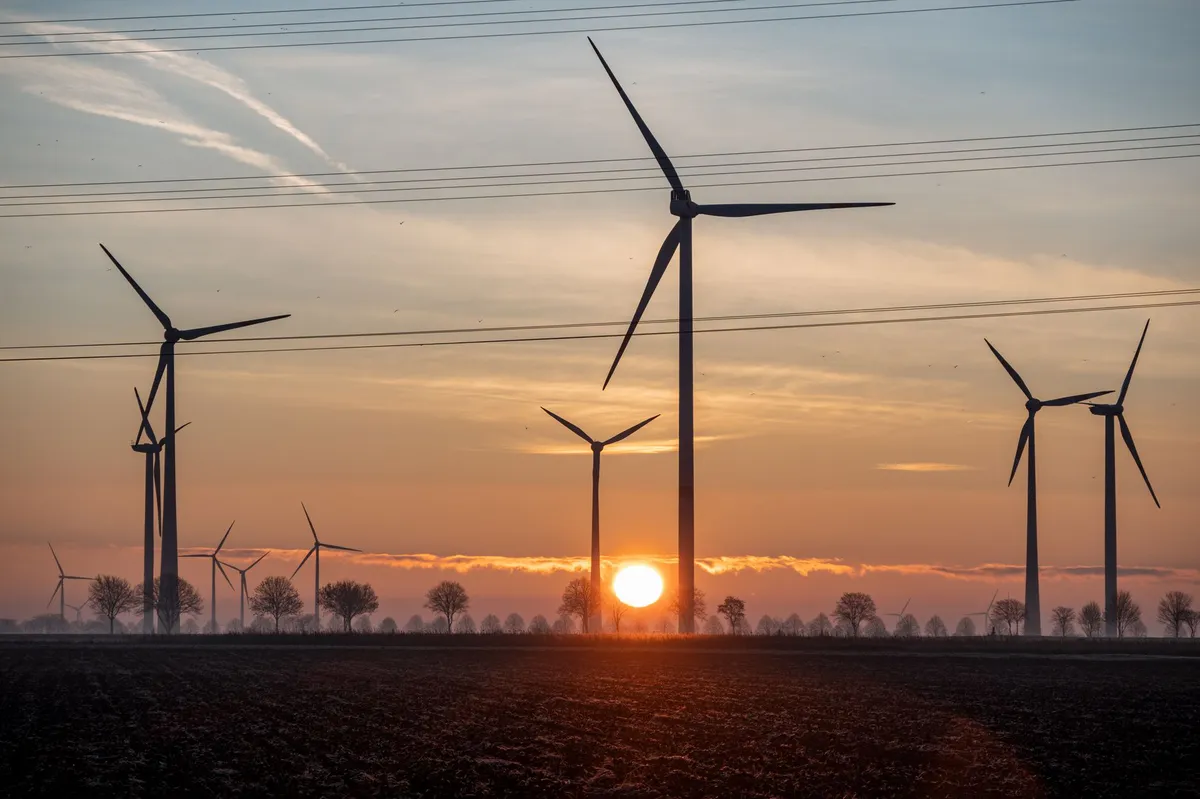
Front Three: Middle Eastern Investment
The Gulf states, particularly the UAE, are making significant investments in AI-grade power infrastructure. With sovereign wealth funds at their disposal, these countries are positioning themselves strategically in the AI power market. Companies like Phoenix Group, based in Abu Dhabi, are acquiring stakes in AI and crypto infrastructure, including a notable partnership with Bitzero Holdings. This trend reflects a broader understanding that the wealth generated from oil must now be redirected toward sustainable energy resources that will underpin the next industrial era.
Front Four: China's Self-Sufficiency
On another front, China is developing its own self-sufficient energy ecosystem, effectively isolating itself from Western supply chains. The Chinese government is heavily investing in coal, nuclear, and renewable energy projects aimed at supporting domestic AI infrastructure. By establishing strict regulations on cross-border data flows, China is creating a parallel system that reduces reliance on international markets for energy and AI resources. This strategy not only bolsters China's position but also raises concerns for Western nations that may find themselves squeezed out of critical markets.

Strategic Implications and Future Outlook
The ongoing power war among nations and corporations has profound implications for the future of AI and global economic dynamics. As countries and companies secure their energy resources, the landscape of the AI economy is being reshaped in real-time. The players who have locked in their power capacity early are likely to emerge as the leaders in the AI economy of 2035.
Long-Term Consequences
The winners of this power struggle will not only dictate the terms of AI development but will also influence global economic relations. Just as coal shaped the British Empire and oil defined the 20th century, the control of AI-grade power will determine which nations and corporations thrive in the coming era. The strategic importance of electricity as a resource cannot be overstated; it is the lifeblood of the AI revolution, and those who control it will hold the keys to prosperity and innovation.
Key Takeaways
- The AI economy's energy consumption is surging, with projections estimating a $5.2 trillion capital expenditure for data centers by 2030.
- U.S. hyperscalers are investing billions in securing their own power sources, including nuclear facilities.
- European countries are prioritizing domestic energy interests and limiting new data center allocations to preserve their resources.
- Middle Eastern nations are repositioning their investments towards sustainable energy infrastructures to be competitive in the AI landscape.
- China is building a self-sufficient ecosystem that diminishes its reliance on Western energy and AI resources.
Frequently Asked Questions
What role does electricity play in the AI economy?
Electricity is the fundamental resource that powers AI technologies. The massive computational needs of AI systems require substantial energy input, making access to clean and reliable electricity a critical concern for companies developing AI applications. As demand for AI capabilities grows, so does the competition for electricity resources, leading to strategic maneuvers by corporations and nations alike.
How are countries responding to the increasing demand for AI power?
Countries are taking various approaches to manage the escalating demand for AI-grade power. In the U.S., tech giants are investing in their own energy infrastructure to secure long-term access to clean electricity. In Europe, governments are implementing regulations to prioritize domestic energy resources and limit new entrants. Meanwhile, Middle Eastern nations are strategically investing in AI power infrastructure to reshape their economic future.
What are the implications of the power war for global economics?
The ongoing power war has significant implications for global economics, as the control of AI-grade power resources will determine the leaders in the AI economy. Nations and corporations that successfully secure their energy needs will not only thrive economically but also influence international relations. The outcome of this competition could redefine global power dynamics in the coming decades.
How can investors position themselves in this emerging landscape?
Investors can position themselves by closely monitoring the energy and AI sectors. Understanding which companies are securing their power resources and how nations are maneuvering for strategic advantage can provide valuable insights. Investing in firms that are proactively engaging in the AI power economy, such as those involved in infrastructure development or sustainable energy solutions, may present lucrative opportunities in the evolving landscape.
Disclaimer: The content is educational, not financial advice.
Comments
Jim Cramer Shifts Stance on Nike: What Investors Need to Know
Jim Cramer has changed his outlook on Nike Inc. amid struggles in revenue and competition. This article explores the implications for investors and the future of the athletic apparel giant.

Related articles






Popular in Investing
- Navigating the Dismal Landscape of 2026's Worst-Performing ETFs
- Navigating the Turbulent Waters of Energy Markets: A Deep Dive
- Stablecoin Market Faces $10 Billion Decline — What It Means for Investors
- Cotton Futures Surge Despite Increased Production Forecasts
- Avantus Secures $525 Million for Major California Solar Project