Jim Cramer Shifts Stance on Nike: What Investors Need to Know
Jim Cramer has changed his outlook on Nike Inc. amid struggles in revenue and competition. This article explores the implications for investors and the future of the athletic apparel giant.
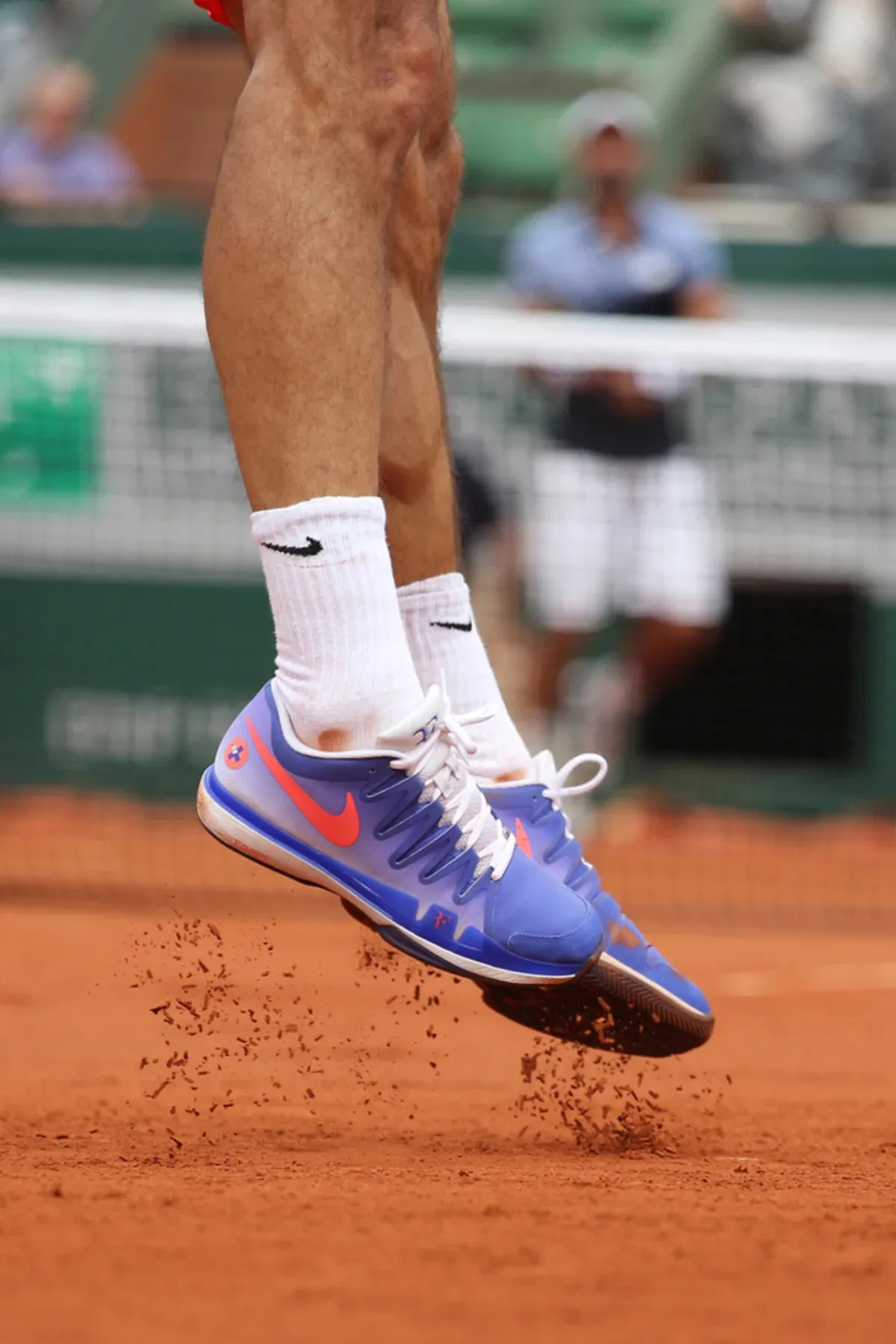
In the fast-paced world of investing, opinions can shift as quickly as stock prices. Recently, noted financial commentator Jim Cramer made headlines by expressing his discontent with Nike Inc. (NYSE:NKE), a company he has defended in the past. After a rollercoaster year for the athletic apparel giant, Cramer has announced his intention to sell the stock, highlighting the firm's struggle to meet investor expectations and attract consumer interest in a challenging retail environment.
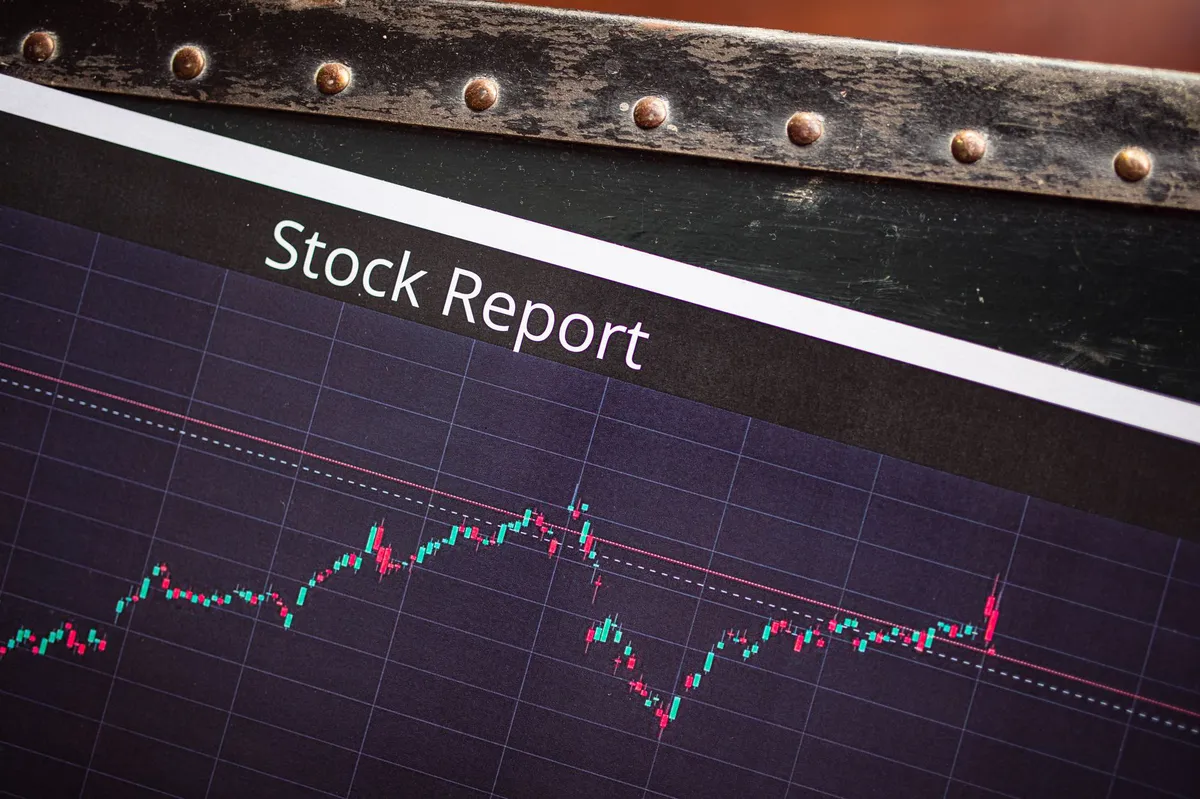
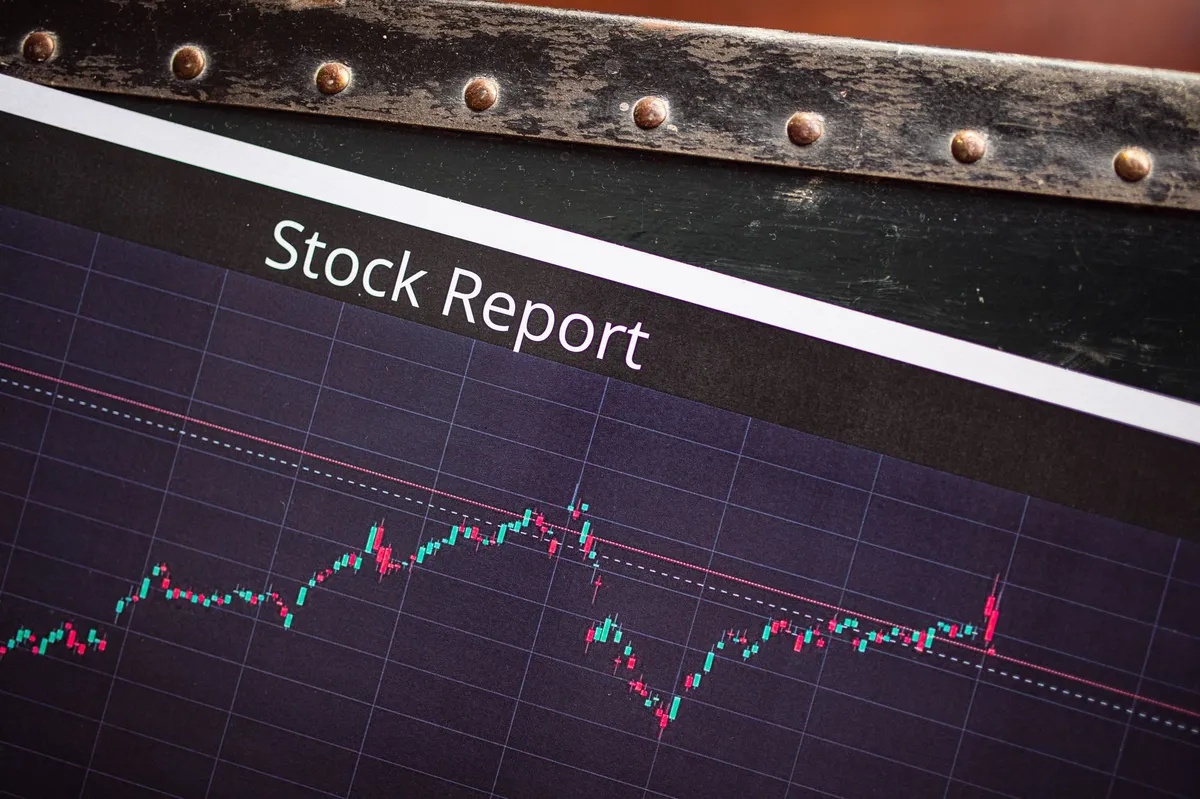
Over the past year, Nike's stock has experienced a staggering decline of 42%, and a 32% drop year-to-date. This downturn is indicative of a larger trend within the retail sector, where businesses must navigate changing consumer behaviors, intense competition, and the fallout from previous strategic decisions. This article delves into Cramer’s pivot, the factors contributing to Nike's struggles, and what it means for current and prospective investors.
Understanding Cramer's Shift in Perspective
Jim Cramer, the host of CNBC's Mad Money, has built a reputation for his willingness to engage with stocks on both sides of the spectrum. In previously defending Nike, he expressed confidence in CEO Elliott Hill's ability to steer the company through turbulent waters. However, recent quarterly earnings reports have led Cramer to reassess his position. During the latest earnings call, Nike reported $11 billion in revenue, surpassing analyst expectations of $10.85 billion. Despite this, earnings per share (EPS) of $0.20 fell short of the anticipated $0.12, indicating a concerning trend.
Cramer’s disappointment stems from what he described as a “nothing quarter,” which he believed was critical for the firm's recovery. He cited the company's guidance for the upcoming quarters, which indicated continued struggles, further solidifying his decision to sell. Cramer articulated his frustration by recalling a personal anecdote, suggesting that he would not reinvest in Nike even if given a chance to buy back at a lower price while enjoying a soft pretzel.
The Broader Context: Nike's Challenges
Nike's recent struggles are not isolated incidents but rather part of a complex web of challenges facing the company:
- Weak Sales in China: Once a booming market for Nike, recent data indicates declining sales in China due to increased competition from local brands and changing consumer preferences.
- Direct-to-Consumer Strategy Missteps: Nike's push toward direct-to-consumer sales has alienated some traditional retail partners, impacting sales and brand visibility.
- High Inventory Levels: Excess inventory has forced Nike to consider discounting strategies that can diminish brand value over time.
- Increased Competition: The athletic apparel market has become saturated with emerging brands that appeal to younger consumers, putting pressure on Nike's market share.
Moreover, Nike's stock has plummeted more than 65% from its all-time high of $179 in 2021. This decline has been exacerbated by a downturn in earnings, which are projected to drop from $3.56 per share to an estimated $1.55 in the fiscal year ending August 26, 2026.

Investor Sentiment and Analyst Opinions
Amidst the turbulence, analyst sentiments remain mixed. For instance, Truist Securities recently reiterated a Buy rating on Nike, with a target price of $47 per share. While this indicates some analysts still see potential in Nike, the cautious tone reflects broader market concerns. The firm’s earnings report showed promise, but the ongoing operational issues have led some to question whether Nike can reclaim its former status as a market leader.
Matrix Asset Advisors, in its Q1 2026 investor letter, noted that they have started a partial position in Nike, motivated by insider buying at lower stock prices. They acknowledge the turnaround will take time, but they believe the risk/reward ratio is currently favorable. This nuanced view highlights that while Cramer has become disenchanted, some investors are still cautiously optimistic about the company's future.
What Should Investors Do?
For current investors in Nike, Cramer’s shift in sentiment serves as a wake-up call. Here are a few strategies to consider:
- Diversify Your Portfolio: If you hold Nike stock, it may be time to evaluate your overall investment strategy and consider diversifying into sectors that show more resilience.
- Stay Updated on Earnings Reports: Keep a close eye on upcoming earnings calls and other corporate announcements that could affect stock performance.
- Assess Your Risk Tolerance: With the volatility in Nike's stock, consider your risk tolerance and whether you can withstand potential further declines.
- Look for Opportunities Elsewhere: As Cramer suggests, other sectors, such as technology or emerging markets, may present better investment opportunities compared to traditional retail.
In a climate of uncertainty, investors must remain vigilant and adaptable. The case of Nike serves as a reminder that even well-established companies can face significant hurdles, and staying informed is key to making sound investment decisions.

Key Takeaways
- Jim Cramer has shifted his stance on Nike, expressing disappointment in recent performance.
- Nike faces challenges such as declining sales, high inventory, and increased competition.
- Analysts remain divided, with some maintaining a buy rating while others view the stock with caution.
- Investors should consider diversification and stay informed about market trends and company performance.
Frequently Asked Questions
Why is Jim Cramer concerned about Nike's stock performance?
Cramer’s concerns stem from Nike’s inability to deliver strong quarterly results, particularly in light of its recent earnings report that revealed a decline in earnings per share. His frustration is compounded by the company's guidance for future quarters, which suggests that the challenges will persist, leading him to recommend selling the stock.
What factors have contributed to Nike's declining sales?
Nike has faced multiple headwinds, including weak sales in China, a strategic misstep regarding its direct-to-consumer approach, high inventory levels leading to potential discounting, and fierce competition from new athletic brands. These factors have collectively impacted consumer confidence and sales performance.
Should I invest in Nike despite Cramer's warning?
Whether to invest in Nike depends on your personal financial situation and investment strategy. Cramer’s warning highlights the risks associated with Nike, but some analysts believe there are opportunities for recovery. It’s crucial to conduct your own research and consider your risk tolerance before making investment decisions.
What are some alternative investment options to consider?
In light of Nike's challenges, investors might explore sectors that show more consistent growth, such as technology, healthcare, or emerging markets. Additionally, looking into undervalued stocks or sectors that may benefit from current economic trends could also present opportunities for capital appreciation.
Comments
Jim Cramer Champions Meta Platforms Amidst Market Challenges
Despite recent struggles, Jim Cramer remains optimistic about Meta Platforms (META), predicting a significant boost from its new strategies. This article explores the current state of META, its market potential, and investment implications.

Related articles







Popular in Investing
- Navigating the Dismal Landscape of 2026's Worst-Performing ETFs
- Stablecoin Market Faces $10 Billion Decline — What It Means for Investors
- Cotton Futures Surge Despite Increased Production Forecasts
- Avantus Secures $525 Million for Major California Solar Project
- Navigating the Pet Stocks Market: Opportunities Amidst Challenges