Understanding Intel's Recent Stock Fluctuations: Insights from Jim Cramer
Intel Corporation's stock has seen a dramatic rise in 2026, but recent downturns spark concern. Jim Cramer analyzes these movements, providing a deeper understanding of the semiconductor market.
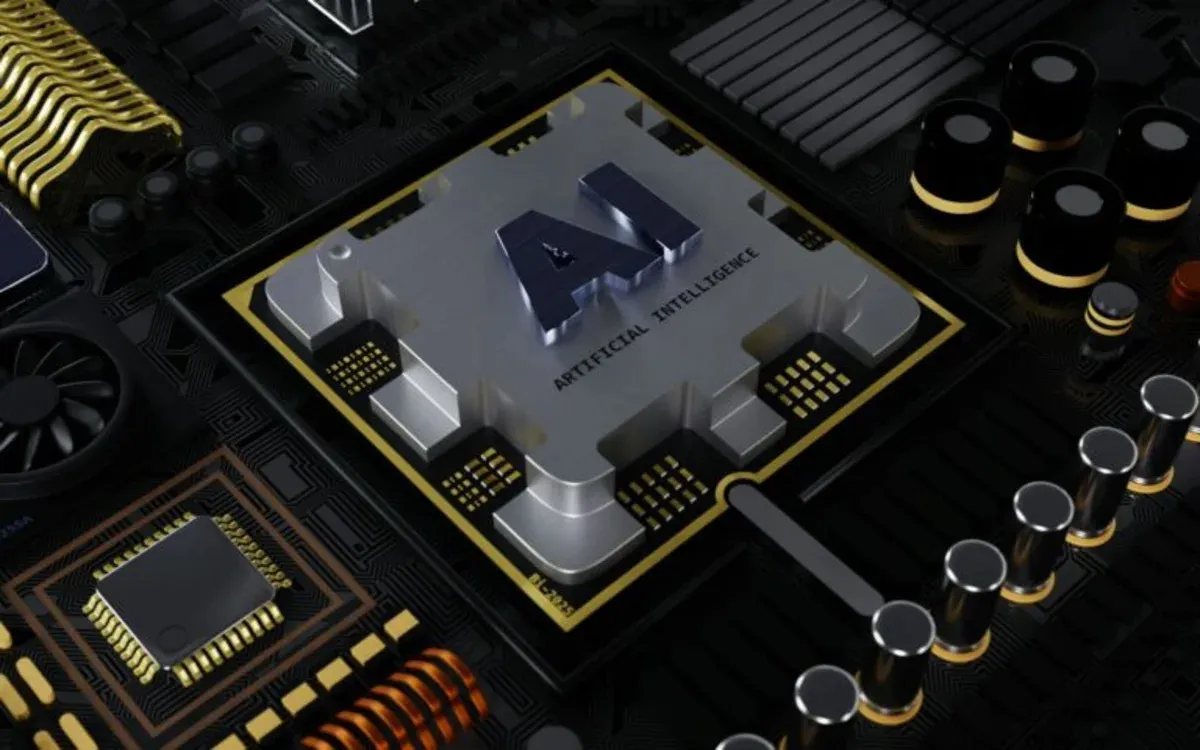
The landscape of technology stocks is often as volatile as the innovations driving them, and few companies embody this volatility quite like Intel Corporation (NASDAQ: INTC). In 2026, Intel's stock has experienced an astounding surge, climbing 343% year-over-year. However, recent market conditions have led to a troubling dip of 23% just in July alone. Financial pundit Jim Cramer has been vocal about these fluctuations, characterizing the situation as a 'brutal rotation' in the market. This article delves into the factors influencing Intel's stock performance and what it means for investors.
The Semiconductor Market's Current State
The semiconductor industry is undergoing a generational shift, largely driven by the burgeoning demand for artificial intelligence (AI) chips. Companies across various sectors are increasingly reliant on advanced chip technology to enhance their operations, making semiconductors a critical component of technological innovation. As various firms compete for market share, the landscape is continually evolving, creating both opportunities and challenges for entrenched players like Intel.
Intel's Struggles and Strategic Missteps
Despite its historical dominance in microprocessor technology, Intel has faced significant challenges in recent years. Critics have pointed out that the company has been slow to adapt to changing customer needs, particularly in the mobile sector. Aoris Investment Management noted in its Q1 2026 investor letter that Intel's focus on raw computational power led to its oversight of crucial aspects like battery life, which are increasingly important in today's mobile-driven world. This rigidity could make Intel vulnerable to competitors who are more attuned to evolving market dynamics.
Jim Cramer's Perspective
Jim Cramer, the well-known financial commentator and host of CNBC's Mad Money, has provided insights on the recent downturn. He cautions investors against overreacting to these fluctuations, suggesting that they are part of a broader market rotation rather than a definitive decline in Intel's prospects. Cramer stated, "GEV, CAT, INTC–no top just a brutal rotation," indicating that the market is shifting rather than signaling a permanent decline in these stocks.
Analyst Ratings and Market Sentiment
Market sentiment surrounding Intel has been mixed, with analysts offering varying perspectives on the stock's future. For instance, Cantor Fitzgerald recently raised its price target for Intel shares from $90 to $150 while maintaining a neutral rating. This adjustment reflects confidence in Intel's potential within the AI chip market, despite the current volatility. Investors should keep an eye on analyst ratings, as they can provide insight into market expectations and future price movements.
Investment Considerations: Opportunities and Risks
As investors contemplate whether to buy, hold, or sell Intel stock, it's crucial to weigh both the opportunities and risks involved:
- Opportunities: The increasing demand for AI technology presents a significant opportunity for Intel, positioning it to capitalize on a growing market.
- Competitive Landscape: Intel must navigate a competitive environment with emerging players that may offer innovative solutions tailored to current consumer needs.
- Market Sentiment: Analysts' ratings and Cramer's insights can help investors gauge market sentiment and make informed decisions.
However, investors should also consider the risks:
- Technological Adaptation: Intel's ability to adapt to rapidly changing technological demands will be crucial for its long-term success.
- Market Volatility: The semiconductor sector is inherently volatile, and Intel's stock may continue to experience fluctuations.
- Competitive Pressures: As competitors continue to innovate, Intel risks falling behind if it does not evolve its product offerings.
Looking Ahead: What Investors Should Do
As the market continues to reshape itself, investors need to stay informed and proactive. Here are some steps to consider:
- Research: Investors should conduct thorough research on Intel's upcoming product releases and strategic initiatives aimed at capturing market share.
- Diversify: Given the volatility in the semiconductor market, diversifying investments can help mitigate risks associated with any single stock.
- Monitor Trends: Keeping an eye on broader trends in the tech sector, particularly in AI and semiconductor production, can help investors anticipate market movements.

Key Takeaways
- Intel's stock has seen a remarkable rise in 2026, but recent fluctuations have raised concerns.
- Jim Cramer describes the current market as a 'brutal rotation,' indicating a shift rather than a definitive decline.
- Investment opportunities exist in the AI chip market, but risks related to technological adaptation and competition remain.
Frequently Asked Questions
What factors are driving the fluctuations in Intel's stock price?
Intel's stock price is influenced by various factors, including market demand for AI chips, competitive pressures from emerging technology firms, and broader economic conditions affecting the semiconductor industry. Analysts' ratings and market sentiment also play a significant role in shaping investor perceptions and stock performance.
How can investors assess whether to buy or sell Intel stock?
Investors should consider a combination of factors when assessing Intel stock, including recent analyst ratings, company performance metrics, and broader market trends. Conducting thorough research and staying informed about the company's product developments and strategic direction can also provide valuable insight into the stock's future potential.
What role does Jim Cramer play in shaping investor sentiment?
Jim Cramer is a well-known financial commentator whose insights and analysis can significantly influence investor sentiment. His opinions on market trends and specific stocks are widely followed, and his commentary can lead to shifts in investor behavior and stock prices. However, investors should use Cramer's insights as one of many tools in their decision-making process.
What are the risks associated with investing in semiconductor stocks like Intel?
Investing in semiconductor stocks carries inherent risks, including market volatility, technological obsolescence, and competitive pressures from other firms. The rapid pace of innovation in the tech sector means that companies must continuously adapt to changing consumer needs to remain relevant. Investors should be aware of these risks and consider diversifying their portfolios to mitigate potential losses.
This content is educational, not financial advice.
Comments
Jim Cramer Shifts Stance on Nike: What Investors Need to Know
Jim Cramer has changed his outlook on Nike Inc. amid struggles in revenue and competition. This article explores the implications for investors and the future of the athletic apparel giant.

Related articles






Popular in Investing
- Navigating the Dismal Landscape of 2026's Worst-Performing ETFs
- Stablecoin Market Faces $10 Billion Decline — What It Means for Investors
- Cotton Futures Surge Despite Increased Production Forecasts
- Avantus Secures $525 Million for Major California Solar Project
- Navigating the Pet Stocks Market: Opportunities Amidst Challenges