NuScale Power: Navigating Challenges in the Small Modular Reactor Market
NuScale Power faces a challenging landscape after UBS downgraded its stock, raising questions about its future in the small modular reactor industry. This article explores the implications of this downgrade and what it means for investors.

In the rapidly evolving landscape of energy, NuScale Power Corporation (SMR) has emerged as a prominent player, spearheading the development of small modular reactors (SMRs) designed to provide a reliable, carbon-free power source. However, recent developments have cast a shadow on its promising trajectory. UBS, a major financial services company, downgraded NuScale Power’s stock from ‘Neutral’ to ‘Sell’—a move that has sent shockwaves across the investment community and raised questions about the viability of SMRs as a sustainable energy solution.
As the only SMR developer to receive Standard Design Approval from the U.S. Nuclear Regulatory Commission, NuScale initially positioned itself as a leader in the advanced nuclear sector. Yet, with UBS's bearish outlook, it’s crucial to dissect the factors at play, the implications for investors, and what this means for the future of nuclear energy in America.
The Promise of Small Modular Reactors
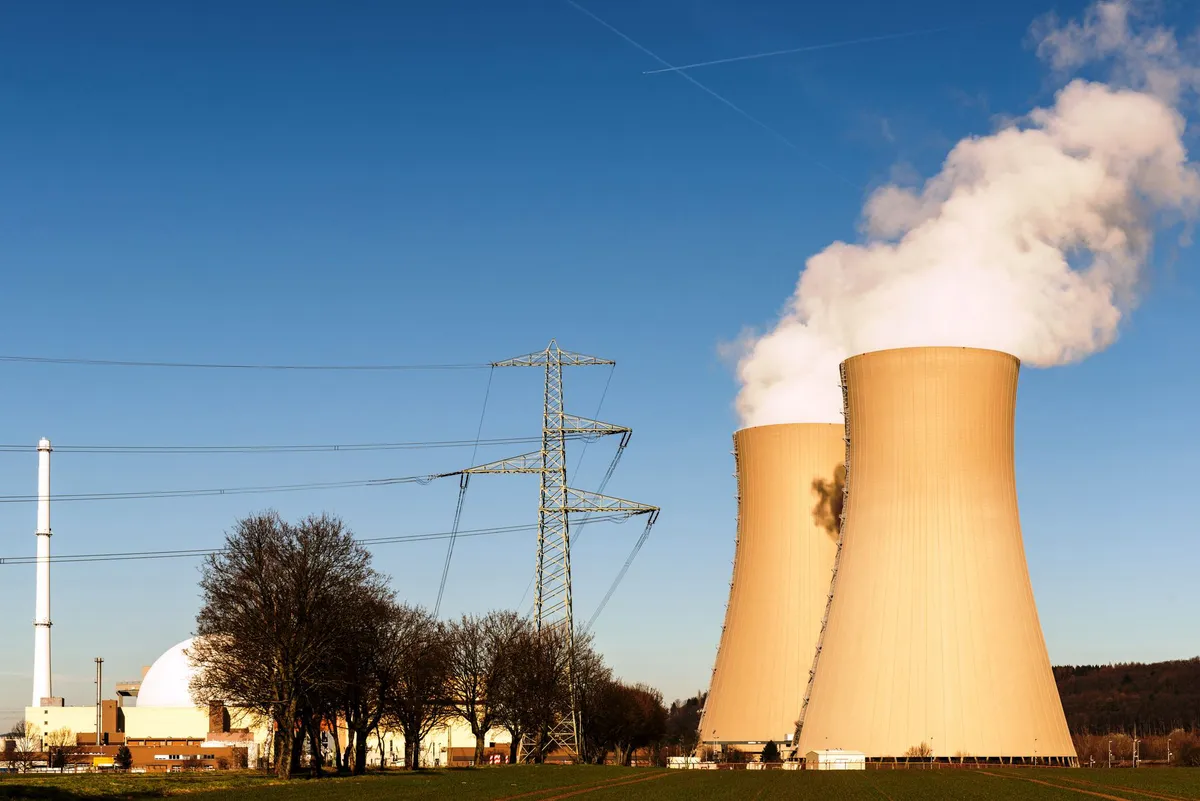
Small modular reactors represent a significant innovation in the nuclear energy sector, designed to offer scalable and flexible power solutions. Unlike traditional nuclear power plants that require extensive infrastructure and investment, SMRs can be constructed in a factory setting and transported to their installation sites, reducing costs and construction times.
Broader Applications and Market Potential
NuScale’s technology is not limited to electricity generation; it also targets industrial decarbonization, AI data center power supply, and hydrogen production. This multifaceted approach positions NuScale favorably amid the global shift toward sustainable energy. However, the transition to new energy sources is often fraught with challenges, including regulatory hurdles, public perception, and competition from alternative energy sources.
A Volatile Stock Performance
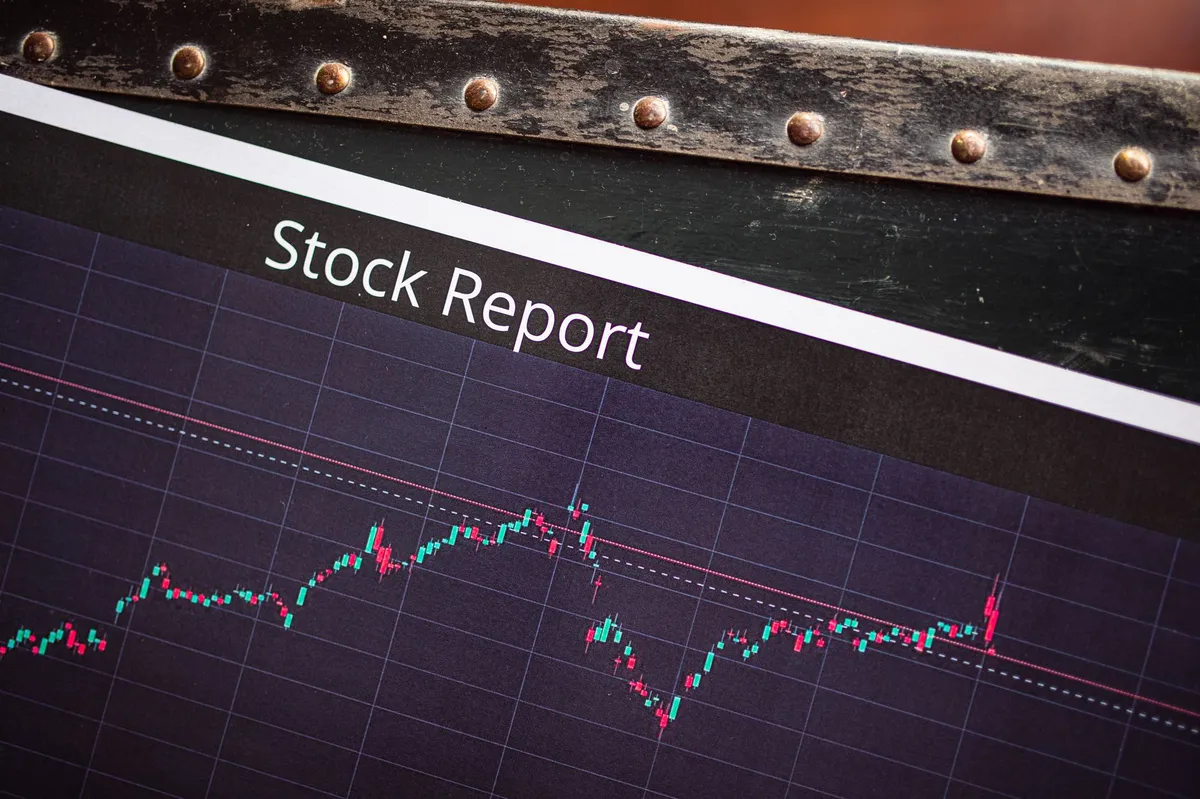
The past year for NuScale Power has been characterized by extreme volatility. The stock price fluctuated dramatically, ranging from a low of $7.21 to a high of $57.42, before settling at approximately $10.81. This instability can be attributed to several factors:
- Retail Investor Interest: A surge of interest from retail investors, driven by social media trends and speculation, has led to sharp price swings.
- Macroeconomic Factors: Changes in interest rates have a disproportionate impact on growth-focused companies like NuScale, which require significant capital investment.
- High Beta and Downside Risk: Compared to benchmark stocks, NuScale’s higher beta indicates greater volatility and risk, reflecting its speculative nature.
Interestingly, while many investors are drawn to the potential of SMRs, the risks associated with investing in such an early-stage technology cannot be overstated.

Recent Financial Performance and Challenges
NuScale’s recent quarterly results painted a mixed picture. The company reported an earnings loss of $0.13 per share—aligning with market expectations—but revenue fell drastically to just $0.08 million, far below analysts' forecast of $8.80 million. This significant miss was attributed to:
- Shift in Project Timelines: Management pointed to delays as they transition from legacy contracts to new commercial agreements.
- Operational Costs: Quarterly operating expenses soared to approximately $55 million, largely driven by research and development (R&D), licensing, and supply chain expenses.
Despite these challenges, NuScale holds a robust liquidity position with around $1.2 billion in cash and equivalents, which provides a buffer to navigate these turbulent times. However, negative free cash flow and continued operating losses underline the hurdles faced by a company still in its pre-commercial phase.
UBS's Downgrade and Its Implications
UBS's recent downgrade of NuScale has raised alarms among investors. The firm cut its price target from $10 to $6, reflecting concerns about NuScale's competitive position as rivals accelerate their SMR projects. Analyst Jon Windham highlighted:
- Fading Technological Lead: Rivals are making quicker progress, potentially overshadowing NuScale's early advantage.
- Prolonged Build Timeline: UBS forecasts a lengthy five-year construction timeline for NuScale's projects, with only one expected to break ground by 2028.
Moreover, UBS anticipates a cumulative cash burn of around $700 million through 2028 and projects revenue of $924 million by 2030, albeit with continued negative earnings. This bleak outlook suggests that investors should be cautious, as the market's optimism may not align with NuScale's financial realities.
Investor Sentiment and Market Outlook
The investment community appears divided on NuScale Power. Of the 18 analysts covering SMR stock, the ratings range from ‘Strong Buy’ to ‘Strong Sell.’ Currently, six analysts rate it as a ‘Strong Buy,’ nine as ‘Hold,’ and three as ‘Strong Sell.’ The average price target remains at $13.22, indicating a potential upside of approximately 52% from current levels.
This disparity in analyst sentiment underscores the uncertainty surrounding NuScale's future. While some investors are betting on the long-term growth potential of small modular reactors, others are wary of execution risks and the reality of ongoing delays.
Key Takeaways
- UBS has downgraded NuScale Power from 'Neutral' to 'Sell,' citing competitive pressures and cash burn.
- Despite volatility, NuScale has a strong liquidity position, but operational losses persist.
- Investor sentiment is mixed, with a consensus rating of ‘Hold’ among analysts, reflecting uncertainty in the stock's future.
- Potential exists in the SMR market, but investing in NuScale carries significant risks.
Frequently Asked Questions
What factors led to the recent downgrade of NuScale Power stock?
The downgrade by UBS was influenced by concerns about NuScale’s fading technological lead in the SMR market, a prolonged build timeline, and a lack of firm customer contracts. With only one project expected to break ground by 2028, UBS anticipates substantial cash burn and continued negative earnings, prompting a reassessment of the stock’s value.
What is the significance of Standard Design Approval for NuScale Power?
Standard Design Approval from the U.S. Nuclear Regulatory Commission is a critical regulatory milestone that positions NuScale as a leader in the SMR sector. It signifies that their design meets safety and operational standards, which is essential for securing investments and moving forward with construction. However, the competitive landscape is evolving, and rivals are also progressing toward regulatory approvals.
How should investors approach NuScale Power amid its volatility?
Investors should carefully evaluate their risk tolerance before investing in NuScale Power. Given the stock's volatility and the mixed analyst ratings, potential investors may want to consider a diversified investment strategy or wait for clearer signals of operational success and improved financial performance before making a commitment.
What are the long-term prospects for small modular reactors in the energy market?
Small modular reactors have the potential to play a significant role in the future energy landscape, particularly as the world shifts toward sustainable energy solutions. They offer scalability and flexibility that traditional nuclear plants do not. However, the path to widespread adoption involves overcoming regulatory challenges, public perception issues, and competition from renewable energy sources.
Disclaimer: This content is educational, not financial advice.
Comments
Intel's Growth Potential: Tailwinds, Challenges, and Analyst Insights
Intel's robust growth prospects are marred by short-term market adjustments. Learn about the four key tailwinds supporting its business and the red flags that analysts are watching.
Related articles





Popular in Investing
- Navigating the Dismal Landscape of 2026's Worst-Performing ETFs
- Navigating the Turbulent Waters of Energy Markets: A Deep Dive
- Stablecoin Market Faces $10 Billion Decline — What It Means for Investors
- Cotton Futures Surge Despite Increased Production Forecasts
- Avantus Secures $525 Million for Major California Solar Project