Surging Treasury Yields: What Rising Oil Prices Mean for Inflation and Rates
As tensions in the Middle East escalate, the 10-year Treasury yield reaches its highest level since January 2025, raising inflation concerns. Here's what this means for consumers and investors.

The financial landscape is undergoing a seismic shift as the 10-year Treasury yield has surged to 4.7%, marking its highest level since January 2025. This rise is closely linked to an increase in oil prices, which is reigniting inflation fears amid escalating geopolitical tensions in the Middle East, particularly between the United States and Iran. As bond yields climb, consumers and investors alike are left wondering how these changes will affect their financial futures, especially concerning mortgage rates, loan costs, and overall economic stability.
In the backdrop of this financial upheaval, the 30-year Treasury yield has also risen, now sitting at 5.19%. This represents the longest stretch above the 5% threshold since 2007, a year that preceded the global financial crisis. With both short and long-term yields climbing, the implications for American households, investors, and the economy are significant.

The Impact of Bond Yields on Consumer Borrowing
Bond yields serve as a crucial benchmark for various borrowing rates, including mortgages and personal loans. When the 10-year Treasury yield increases, it typically leads to higher interest rates on these loans. For instance, a 30-year fixed mortgage rate has been directly influenced by the 10-year yield; as it climbs, prospective homebuyers may find themselves facing steeper costs.
Understanding the Connection
Mortgage rates tend to follow Treasury yields, because they represent the cost of borrowing money. For example, if the 10-year yield increases by 1%, it can lead to a corresponding rise in mortgage rates by approximately 0.5% to 0.75%. So, if you were considering a $300,000 mortgage at a 3% interest rate, a rise to 4.5% could increase your monthly payment from about $1,265 to $1,520. That's a difference of over $250 each month, translating to more than $3,000 annually.

Geopolitical Tensions and Oil Price Surge
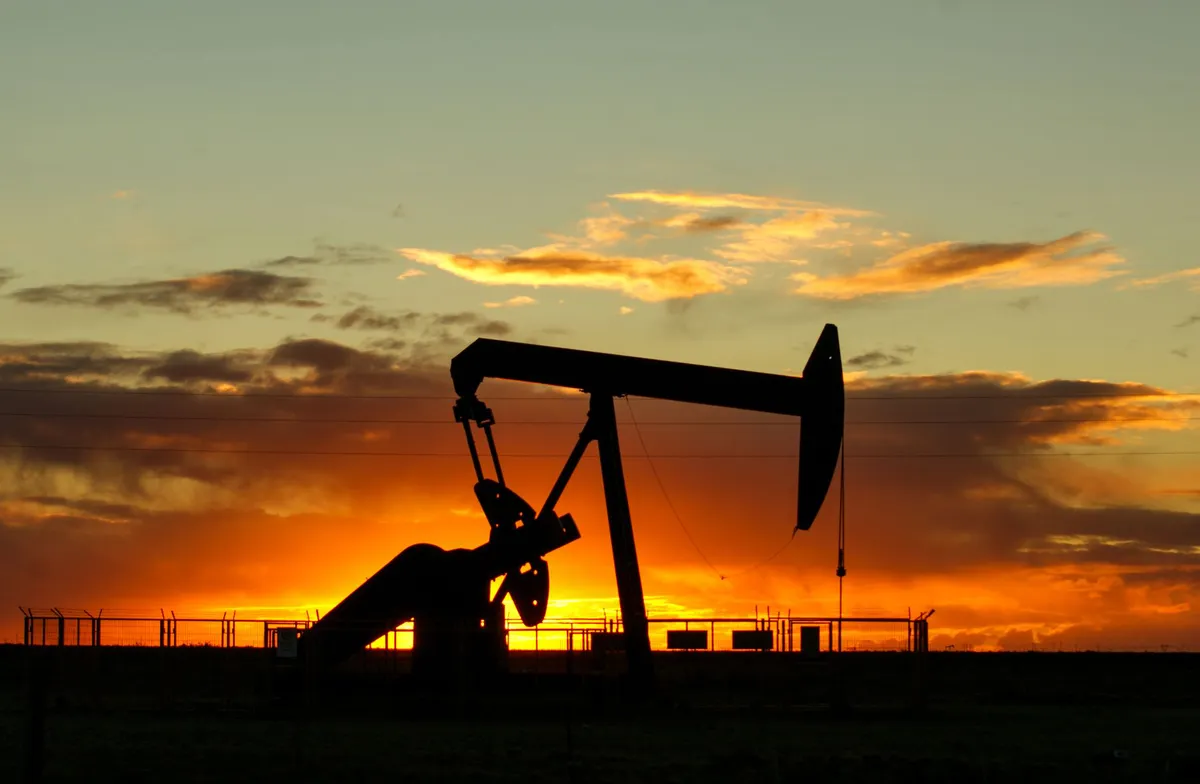
The recent surge in oil prices, fueled by rising tensions in the Middle East, is a critical factor contributing to inflation concerns. Brent crude oil prices are currently hovering around $86 per barrel, and experts warn that if they approach $100, the consequences for the economy could be severe. Higher oil prices not only increase transportation costs but also affect the price of goods and services across the board.
Inflation and Consumer Prices
Inflation is a measure of how much prices for goods and services rise over time. The Federal Reserve aims to keep inflation around a 2% target, but rising energy costs can push consumer prices higher, making it challenging to maintain that target. As oil prices rise, so do costs for businesses, which often pass those costs onto consumers. With energy making up a substantial part of consumer expenditure, any significant increase can lead to a broader inflationary effect.
What the Fed Might Do Next
In response to these changing dynamics, the Federal Reserve is closely monitoring inflation indicators and economic data. While recent inflation reports have been softer than expected, signaling no immediate need for a rate hike, the scenario could shift quickly if oil prices continue to increase. Market analysts are currently assigning a 71% probability of a rate hike in 2026, reflecting heightened expectations for tighter monetary policy.
Rate Hikes and Economic Stability
Interest rate hikes can have a wide-ranging impact on borrowing costs, consumer spending, and overall economic growth. Higher rates generally discourage borrowing and spending, which can slow down economic growth. Therefore, if the Fed decides to raise rates, it could lead to further increases in mortgage and loan rates, further squeezing consumers who are already facing rising costs in other areas, such as housing and food.
- Current 10-Year Treasury Yield: 4.7%
- Current 30-Year Treasury Yield: 5.19%
- Brent Crude Oil Price: Approximately $86 per barrel
- Probability of Fed Rate Hike in 2026: 71%
Looking Ahead: Consumer and Investor Strategies
Given the current financial climate, consumers and investors should consider several strategies to navigate rising bond yields and inflation. For homeowners or prospective homebuyers, locking in mortgage rates sooner rather than later may be wise before potential hikes push rates even higher. For investors, diversifying portfolios and considering inflation-protected securities, such as TIPS (Treasury Inflation-Protected Securities), could help mitigate the impact of rising inflation.
Monitoring Economic Indicators
Staying informed about economic indicators, particularly those related to inflation and employment, can provide valuable insights for personal finance decisions. Consumers should regularly review their financial situations and consider adjustments to their budgets in response to rising costs. Investors, too, should keep an eye on bond market trends and adjust their investment strategies accordingly.
Key Takeaways
- 10-year Treasury yield has reached 4.7%, the highest since January 2025.
- Rising oil prices contribute to inflation concerns and may prompt the Fed to raise interest rates.
- Higher bond yields can lead to increased borrowing costs for mortgages and personal loans.
- Investors should consider diversifying portfolios and monitoring economic indicators.
Frequently Asked Questions
What does a rising Treasury yield indicate for consumers?
A rising Treasury yield typically signals that borrowing costs may increase, which affects mortgages and personal loans. As yields climb, lenders may raise interest rates to maintain profit margins, making it more expensive for consumers to borrow money for homes, cars, or other major purchases.
How do oil prices affect inflation?
Oil prices have a significant impact on inflation as they directly influence transportation and production costs. When oil prices rise, businesses face higher overhead, which they often pass on to consumers through increased prices for goods and services. This can lead to a higher overall inflation rate, challenging the Federal Reserve's goal of keeping inflation stable.
What should I do if I want to buy a house soon?
If you plan to buy a house soon, consider locking in your mortgage rate as soon as possible. Given the rising trend in bond yields, mortgage rates are likely to follow suit. Securing a rate now could save you money in the long run, especially if rates increase further due to inflationary pressures.
How can investors protect themselves from rising inflation?
Investors can protect themselves from rising inflation by diversifying their portfolios and including assets that typically perform well during inflationary periods, such as commodities or real estate. Additionally, they may consider Treasury Inflation-Protected Securities (TIPS), which are designed to increase in value with inflation, providing a safeguard against rising prices.
This content is educational, not financial advice.
Comments
Surge in Energy Shares as Brent Crude Hits $100 Amid Houthi Attacks
U.S. energy stocks have seen a significant uptick as Brent crude prices reached $100 a barrel, driven by escalating tensions in the Middle East. Houthi attacks on Saudi oil tankers have raised alarms over potential disruptions in global oil supply.
Related articles






Popular in Investing
- Navigating the Dismal Landscape of 2026's Worst-Performing ETFs
- Navigating the Turbulent Waters of Energy Markets: A Deep Dive
- Stablecoin Market Faces $10 Billion Decline — What It Means for Investors
- Cotton Futures Surge Despite Increased Production Forecasts
- Avantus Secures $525 Million for Major California Solar Project