Tesla's Q2 Earnings Miss Sparks 10% Stock Drop: What You Need to Know
Tesla's recent quarterly earnings fell short of Wall Street expectations, resulting in a significant drop in its stock price. With a $25 billion capital expenditure confirmed, here's a deeper look at what this means for investors and the electric vehicle market.
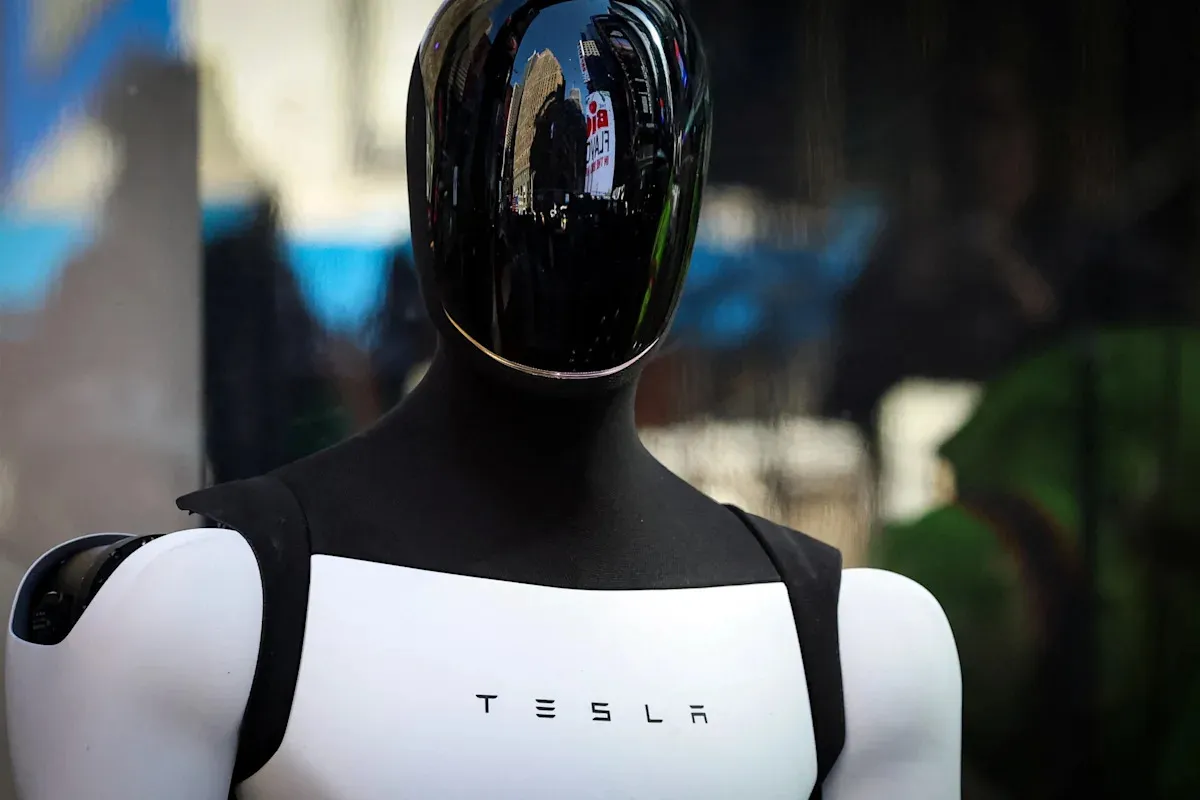
Tesla, the electric vehicle (EV) giant that has redefined the automotive landscape, faced a significant setback recently as its stock price plummeted over 10% following the announcement of its second quarter earnings. Investors were taken aback when Tesla reported revenues of $28.24 billion, a commendable 26% increase from the previous year, but still falling short of the $26.32 billion forecasted by analysts. The earnings per share (EPS) came in at $0.33, significantly lower than the anticipated $0.50, raising concerns about the company’s financial health and future growth prospects.
While the earnings miss stirred uncertainty, there was a silver lining: Tesla's cash burn rate was lower than expected, coming in at -$1.09 billion compared to the anticipated -$3.64 billion. This indicates that while the company is spending heavily on future projects, it might be managing its expenses more effectively than initially feared. However, the overall picture remains complex as the firm navigates aggressive capital expenditures and mixed market conditions.

Analyzing Tesla's Performance
Despite the disappointing earnings report, several key metrics reveal the underlying strength of Tesla's business model. The company reported an impressive 480,126 vehicle deliveries in Q2, surpassing analyst expectations of 397,466 and marking a 25% year-over-year increase. This surge in deliveries was driven by several factors, including the successful ramp-up of the Model Y and intensified price competition across global markets.
The Role of Capital Expenditures
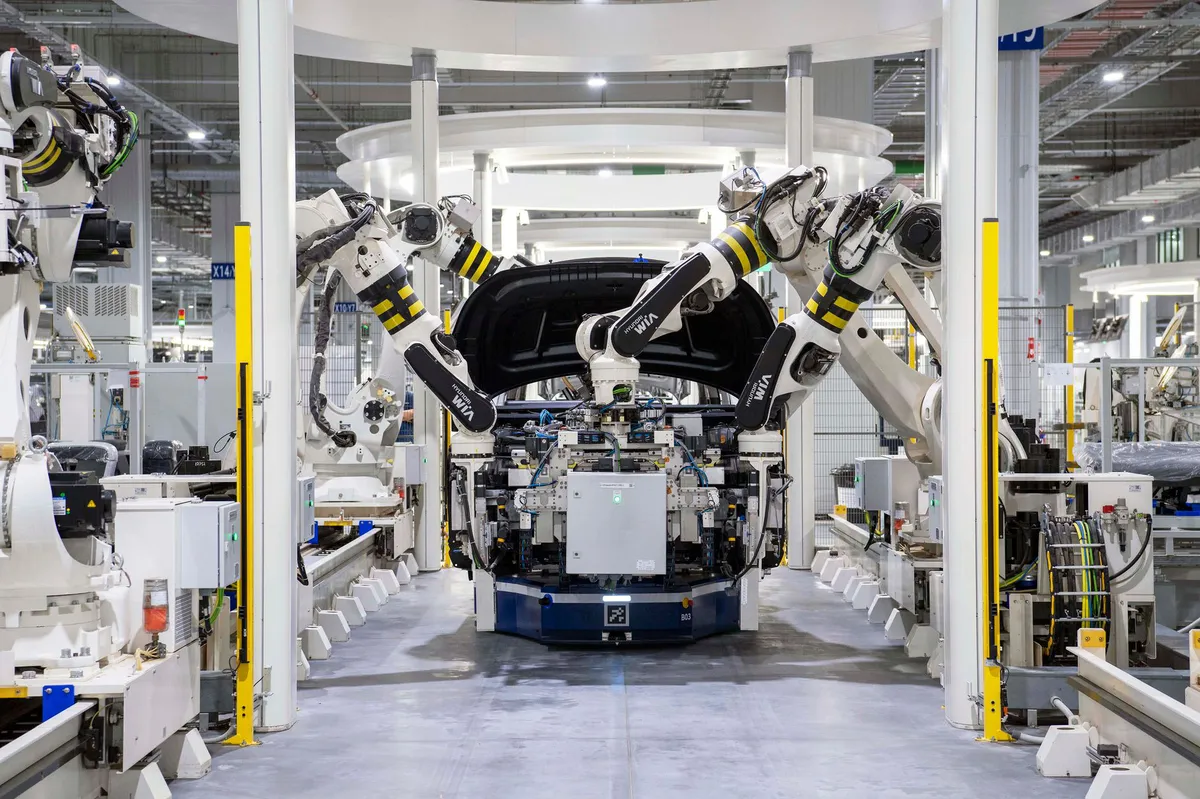
One of the most significant announcements from Tesla's earnings call was the confirmation of its full-year capital expenditures (capex) target of more than $25 billion. This level of spending is pivotal for Tesla as it seeks to bolster its production capabilities across various fronts:
- Optimus Humanoid Robot Production: Tesla is investing heavily in the development of its humanoid robot, Optimus, with initial builds expected to assist in training data collection.
- AI Data Center Build-Out: The company is ramping up its investments in artificial intelligence, which is crucial for its self-driving technologies and overall operational efficiency.
- Cybercab Production: The planned rollout of Tesla's Robotaxi service is also consuming a portion of this capex as it aims to expand its presence in the autonomous ride-hailing market.
Market Reactions and Broader Implications
The immediate 10% drop in Tesla's stock following the earnings miss reflects investor anxiety regarding the company's long-term strategies and profitability. Tesla's CEO, Elon Musk, acknowledged the challenges ahead, emphasizing the need to balance rapid growth with safety considerations. The slow rollout of the Robotaxi service, which has begun operating in seven major U.S. metro areas, is seen as a critical component of Tesla's future revenue streams.
Furthermore, the company reported a significant increase in subscriptions for its Full Self-Driving (FSD) software, which climbed to 1.48 million, a 56% year-over-year growth. This surge indicates strong demand for Tesla's autonomous driving capabilities, yet it also underscores the competitive landscape in the EV market, where traditional automakers are increasingly investing in similar technologies.

The Global EV Landscape
Tesla’s performance is not occurring in isolation; it is part of a larger narrative in the electric vehicle market. In the United States, the expiration of the federal EV tax credit has had a noticeable impact on sales, with forecasts predicting a 20% decline in Tesla's U.S. sales due to the loss of this incentive. However, the situation is markedly different in Europe, where Tesla has seen a remarkable nearly 108% increase in registrations in May alone, buoyed by the ongoing demand for electric vehicles amid rising gas prices and a shift away from internal combustion engines.
Analysts suggest that while the U.S. market faces challenges, international strength, particularly in Europe, is playing a crucial role in Tesla's overall performance. The company's ability to adapt to varying market conditions and capitalize on regional demands will be vital for sustaining its growth trajectory.
Looking Ahead: What Investors Should Consider
For investors, the latest earnings report and market dynamics highlight several key considerations:
- Valuation Concerns: Tesla's stock has historically traded at high multiples, often justified by its growth potential. However, with rising interest rates and a more competitive landscape, investors should reassess their expectations regarding future growth and profitability.
- Technological Advancements: The ongoing development of AI and autonomous technologies will be pivotal for Tesla's future. Investors should stay informed about advancements in these areas, especially regarding the Optimus robot and FSD capabilities.
- Market Trends: Keeping an eye on global EV market trends, including competition from legacy automakers and new entrants, will be essential for understanding Tesla's position in the market.
Key Takeaways
- Tesla's Q2 earnings miss led to a 10% drop in stock prices, raising concerns about future growth.
- The company reported impressive vehicle deliveries but is facing challenges in the U.S. market due to the loss of federal EV tax credits.
- Capital expenditures exceeding $25 billion are earmarked for ambitious projects, including AI and autonomous vehicle development.
- International markets, particularly Europe, are showing strong demand for Tesla vehicles, offsetting some U.S. sales declines.
Frequently Asked Questions
What caused Tesla's stock to drop significantly after the earnings report?
The primary reason for Tesla's stock decline was the company's earnings miss, where it reported lower-than-expected revenue and earnings per share. Investors reacted negatively to the mixed results, despite some positive metrics like lower-than-anticipated cash burn. Concerns over future growth and the competitive landscape also contributed to the stock's volatility.
How do capital expenditures impact Tesla's future growth?
Capital expenditures are crucial for Tesla as they enable the company to invest in new technologies, production capabilities, and expansion projects. The $25 billion capex target signifies Tesla's commitment to scaling its operations and developing new products, such as the Optimus robot and autonomous vehicles. However, high capital spending can also lead to increased cash burn, raising concerns about the company's short-term financial health.
What trends are affecting the electric vehicle market right now?
The electric vehicle market is currently influenced by several trends, including the expiration of federal EV tax credits in the U.S., which is expected to reduce sales, particularly for Tesla. In contrast, the European market is witnessing robust growth, driven by increasing demand for EVs amidst rising gas prices and government incentives. Additionally, technological advancements in autonomous driving and battery technology are reshaping the competitive landscape.
What should investors watch for in Tesla's future performance?
Investors should monitor several factors that could impact Tesla's future performance, including the evolution of regulatory policies regarding EV incentives, developments in autonomous driving technology, and competition from both traditional automakers and new entrants in the market. Additionally, keeping an eye on global sales trends and production capabilities will be essential for assessing Tesla's growth trajectory.
The content is educational, not financial advice.
Comments
Surge in Energy Shares as Brent Crude Hits $100 Amid Houthi Attacks
U.S. energy stocks have seen a significant uptick as Brent crude prices reached $100 a barrel, driven by escalating tensions in the Middle East. Houthi attacks on Saudi oil tankers have raised alarms over potential disruptions in global oil supply.

Related articles





Popular in Investing
- Navigating the Dismal Landscape of 2026's Worst-Performing ETFs
- Navigating the Turbulent Waters of Energy Markets: A Deep Dive
- Stablecoin Market Faces $10 Billion Decline — What It Means for Investors
- Cotton Futures Surge Despite Increased Production Forecasts
- Avantus Secures $525 Million for Major California Solar Project