TSMC's $64 Billion Bet: Navigating the AI Investment Landscape
Taiwan Semiconductor Manufacturing Company (TSMC) is making a monumental $64 billion investment in advanced chip technology, despite fears of an AI bubble. This article delves into TSMC's growth strategy amidst fluctuating market sentiments and what it means for investors.
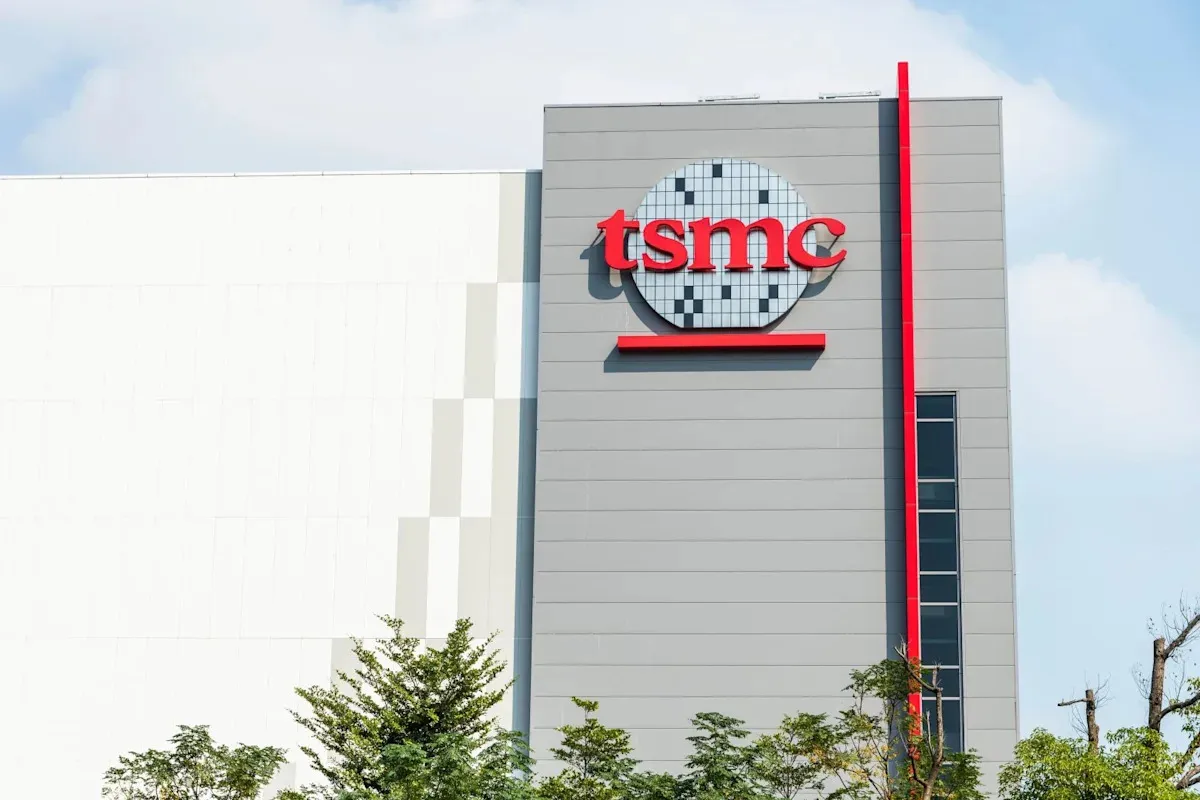
The world of artificial intelligence (AI) is in a state of flux, with fortunes shifting as rapidly as the technology itself. Tensions are rising, as some investors warn of an impending AI bubble, suggesting that the current spending frenzy on AI infrastructure might lead to a financial collapse. In stark contrast, Taiwan Semiconductor Manufacturing Company (TSMC) is doubling down on its commitment to the AI sector by announcing a staggering capital expenditure plan of between $60 billion and $64 billion for 2026. This bold move has positioned TSMC as a critical player in the semiconductor industry, even as broader economic fears loom.
Investors have been watching TSMC closely, particularly since its stock has risen by an impressive 39% year-to-date, far surpassing the overall market’s 10% gain. As TSMC ramps up its investments in advanced chips, understanding the implications of this financial bet is paramount for investors looking to navigate the complex terrain of AI technology and semiconductor stocks.
A Deep Dive into TSMC's Investment Strategy
At the heart of TSMC's ambitious investment strategy lies a firm belief in the long-term potential of AI technologies. The company’s recent second-quarter earnings report reflected a 34% year-over-year revenue increase, reaching $40.2 billion, largely driven by demand in advanced technologies like AI accelerators and high-performance computing (HPC). Approximately 77% of TSMC's wafer revenue now stems from advanced technologies of 7 nanometers and below, showcasing the company's ability to adapt to evolving market needs.
Segment Performance Overview
Breaking down the revenue streams, TSMC's HPC segment constituted 66% of total revenue, demonstrating a robust sequential growth of 20%. Though segments like smartphone and automotive showed mixed results, the underperformance in traditional consumer electronics was more than compensated by HPC strength. This highlights TSMC's strategic pivot towards sectors that are essential for AI infrastructure, a move that positions the company favorably against potential market downturns.

Understanding the Implications of Increased Capital Expenditure
TSMC's decision to raise its capital expenditure budget is emblematic of its long-term growth strategy. Allocating 70% to 80% of its investment towards advanced process technologies signals confidence in sustained demand for AI-related products. The company also plans to dedicate 10% to specialty technologies and another 10% to 20% for advanced packaging and testing, further diversifying its technological capabilities.
- Capital Expenditure: TSMC is committing $60-$64 billion for 2026.
- Revenue Growth: Anticipated revenue growth of slightly over 40% year-over-year.
- Market Position: TSMC serves major tech players like Nvidia, Apple, and Microsoft.
- Investment Focus: 70-80% of capex will support advanced process technologies.
This substantial investment is not merely a financial gamble; it reflects TSMC's historical trend of achieving long-term growth through significant capital expenditures. The company’s management has consistently demonstrated that investing during periods of high demand can yield substantial returns in the future.

Short-Term Challenges vs. Long-Term Potential
Despite the optimistic outlook, TSMC faces several near-term challenges. The company has projected a decline in gross margin from 67.7% in Q2 to approximately 66% in Q3, attributed to the rapid ramp-up of its 2nm technology. While this decrease may raise red flags for some investors, it's crucial to understand that this is not indicative of dwindling demand or pricing power but rather reflects the massive investments required to introduce cutting-edge technologies.
Market Reactions and Analyst Perspectives
As Wall Street grapples with the implications of TSMC's investment strategy, the consensus among analysts remains largely positive. Out of 17 analysts covering TSMC, 14 have designated it as a “Strong Buy,” with an average price target suggesting an 18% upside. Barclays has even set a new high price target of $650, indicating a potential 54% increase over the next year.
This bullish sentiment is grounded in a disciplined approach to cost management and a robust balance sheet, with TSMC sitting on a cash reserve of $110 billion. This financial strength provides the company with the flexibility to navigate short-term pressures while pursuing long-term growth opportunities.

Preparing for the Future: Investor Considerations
For investors looking to engage with TSMC stock, it's essential to consider the broader market dynamics at play. The semiconductor industry is highly cyclical, influenced by factors such as technological advancements, consumer demand, and geopolitical tensions. With AI technology's rapid evolution, TSMC's strategic investments position it well to capitalize on emerging trends.
Investors should weigh the potential for short-term volatility against the long-term growth prospects presented by TSMC's investments in advanced chip technologies. The company's ability to adapt to changing market demands while maintaining a strong financial footing will be key to its success.
Key Takeaways
- TSMC is investing $60-$64 billion in capital expenditures by 2026, focusing on advanced technologies.
- Revenue growth is projected to exceed 40% year-over-year, driven by strong demand in AI and HPC.
- Analysts maintain a positive outlook, with a consensus “Strong Buy” rating on TSM stock.
- Short-term challenges include margin pressure, but these are expected to be temporary.
Frequently Asked Questions
What are the risks associated with TSMC's investment strategy?
Investing heavily in capital expenditures inherently carries risks, particularly in a volatile market like semiconductors. A downturn in demand or an economic recession could impact TSMC's revenues and profits. However, TSMC's historical resilience and strong market position provide some assurance that the company can weather potential storms.
How does TSMC's investment compare to its competitors?
Compared to its competitors, TSMC's aggressive investment strategy stands out. While other semiconductor firms are also increasing their capital expenditures, TSMC's commitment to advanced technologies positions it uniquely in the market. This differentiation could allow TSMC to capture greater market share, particularly in AI and HPC applications.
What should investors keep in mind before investing in TSMC?
Investors should consider their risk tolerance and investment horizon. TSMC's stock may be more suitable for those who can withstand short-term volatility in exchange for potential long-term gains. Additionally, keeping abreast of industry trends and TSMC's financial performance will be crucial for making informed investment decisions.
Is TSMC a good long-term investment?
Many analysts believe TSMC represents a solid long-term investment opportunity, given its strategic focus on advanced technologies and robust financial standing. By continuing to invest in innovative chip manufacturing, TSMC is poised to play a significant role in the growth of AI and other high-tech industries, making it an attractive option for growth-oriented investors.
The content is educational, not financial advice.
Comments
Treasury Officials Raise Red Flags on New Tax Alpha ETFs
Recent comments from Treasury officials suggest growing concerns over tax alpha ETFs, which they label as possibly 'too good to be true.' This article explores the implications of these new tax strategies and their potential impact on investors.

Related articles






Popular in Investing
- Navigating the Dismal Landscape of 2026's Worst-Performing ETFs
- Navigating the Turbulent Waters of Energy Markets: A Deep Dive
- Stablecoin Market Faces $10 Billion Decline — What It Means for Investors
- Cotton Futures Surge Despite Increased Production Forecasts
- Avantus Secures $525 Million for Major California Solar Project