Analyzing RTX Corporation: Stock Forecasts and Market Implications
As RTX Corporation navigates the complexities of the stock market, investors are keenly interested in its performance and future outlook. This article examines the factors influencing RTX's stock forecasts and the broader implications for the economy and investors.
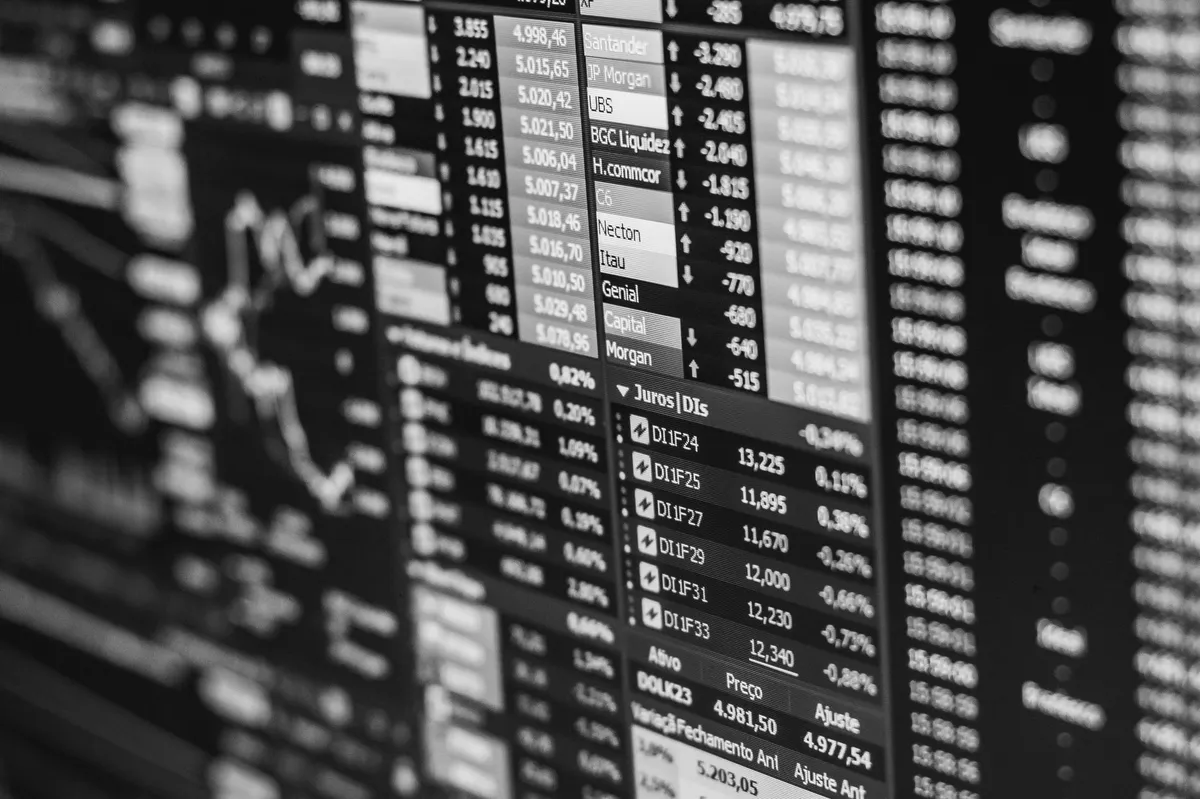
RTX Corporation, a leader in aerospace and defense technology, has recently come under the financial spotlight as investors and analysts scrutinize its stock performance and future prospects. With the stock market often acting as a barometer for economic health, RTX's journey is indicative of broader market trends that can affect various stakeholders, from individual investors to institutional players. Understanding the nuances behind RTX's stock predictions can equip investors with the knowledge needed to navigate their financial decisions in an ever-evolving landscape.
In the wake of the COVID-19 pandemic, the demand for defense and technology solutions has surged, influencing RTX’s performance. As the company continues to innovate and expand its product offerings, it faces both opportunities and challenges that are crucial for potential investors to consider.
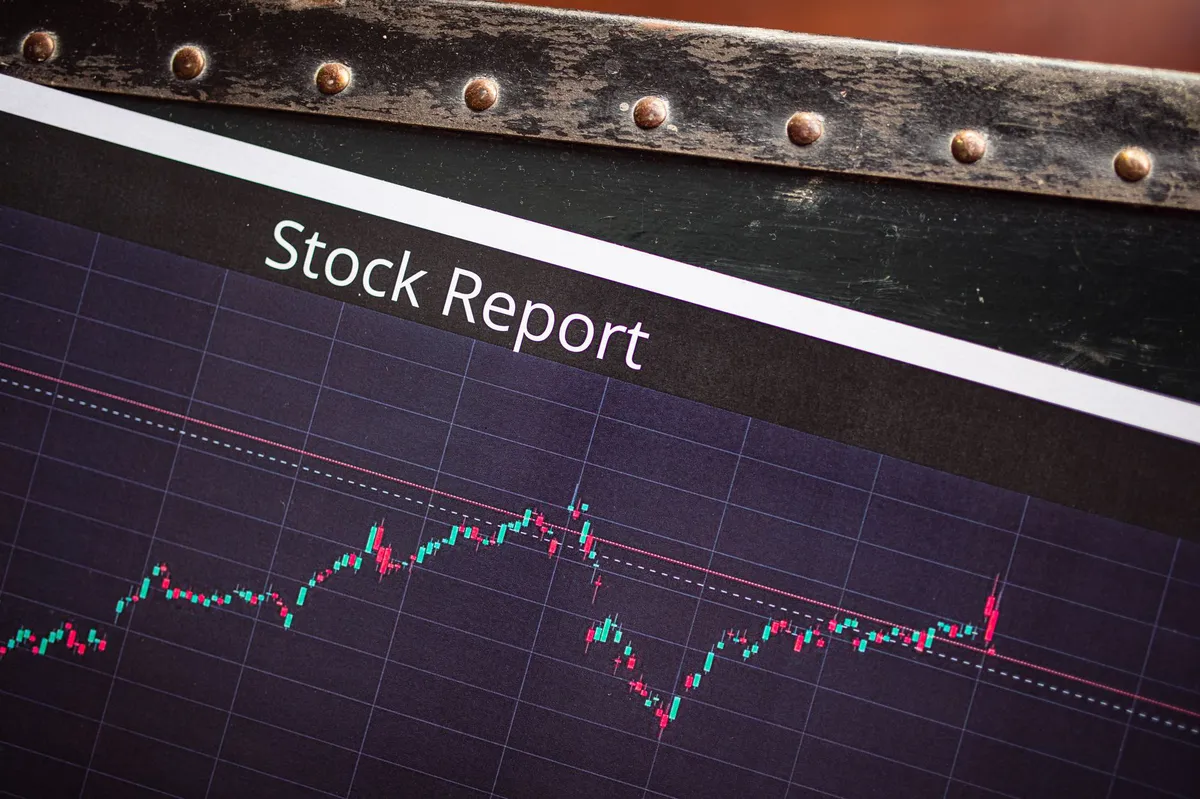
Understanding RTX Corporation's Market Position
RTX, previously known as Raytheon Technologies, has solidified its place as a major player in the aerospace and defense sectors. Operating through multiple segments, including Pratt & Whitney, Collins Aerospace, and Raytheon Missiles & Defense, the company benefits from diverse revenue streams. This diversification is critical in mitigating risks associated with fluctuations in specific markets.
Financial Performance and Recent Trends
In recent earnings reports, RTX has demonstrated resilience despite economic uncertainties. Financial analysts have noted a steady growth trajectory, with revenue increases attributed to robust demand for advanced military systems and commercial aerospace products. As of early 2025, RTX's stock was trading approximately 21% higher than at the peak of the pandemic, reflecting investor confidence. However, this growth is accompanied by challenges, including supply chain disruptions and inflationary pressures impacting operational costs.

Factors Influencing RTX Stock Forecasts
Several key factors are influencing forecasts for RTX's stock performance, and understanding these can provide valuable insights for investors.
- Market Demand: The ongoing geopolitical tensions and increasing defense budgets worldwide bolster demand for military technology, positioning RTX favorably.
- Technological Innovation: RTX's commitment to R&D and advancements in areas such as hypersonics and artificial intelligence is critical for maintaining competitive advantage.
- Regulatory Environment: Changes in government defense spending and procurement policies can significantly affect RTX's revenue streams.
- Economic Indicators: Broader economic indicators, including interest rates and inflation, influence investor sentiment and can impact stock valuations.

Investor Sentiment and Analyst Recommendations
Investor sentiment surrounding RTX has been cautiously optimistic. Analysts have often rated the stock as a “buy” or “hold,” reflecting confidence in the company’s long-term growth potential while acknowledging short-term volatility. Many analysts emphasize the importance of monitoring RTX’s quarterly earnings, which provide insights into operational efficiency and market responsiveness.
What Analysts Are Saying
As part of their assessments, analysts frequently highlight RTX's strong fundamentals, such as cash flow generation and a robust order backlog. For instance, a report from a leading investment firm projected a price target of $120 per share for RTX, suggesting significant upside potential from current levels. However, they also caution that external factors, such as changes in defense spending or global economic shifts, could introduce volatility.
Implications for Individual Investors
For individual investors, the dynamics surrounding RTX’s stock forecast present both opportunities and challenges. Understanding the intricacies of the aerospace and defense markets is essential for making informed investment decisions. Here are some strategies to consider:
- Diversification: Given the volatility in the market, diversifying your portfolio can help mitigate risks associated with investing in a single stock.
- Long-Term Perspective: For those considering investing in RTX, a long-term outlook may be beneficial, particularly as the company continues to innovate and adapt to market changes.
- Monitoring Market Trends: Staying informed about geopolitical developments and economic indicators can provide insights into potential impacts on RTX’s performance.

Key Takeaways
- RTX Corporation remains a key player in the aerospace and defense sectors, benefiting from diverse revenue streams.
- Analysts project a bullish outlook for RTX, with potential price targets reflecting significant upside.
- Investors should consider diversification and a long-term perspective when evaluating RTX as part of their portfolios.
- Monitoring external factors, including economic indicators and geopolitical events, is essential for informed decision-making.
Frequently Asked Questions
What are the main drivers of RTX's stock performance?
The main drivers of RTX's stock performance include market demand for defense and aerospace products, technological advancements, and the regulatory environment affecting government contracts. Additionally, overall economic conditions, such as interest rates and inflation, also play a crucial role in shaping investor sentiment and stock valuations.
How should I approach investing in RTX as an individual investor?
Individual investors should approach investing in RTX with a clear strategy. This includes diversifying their portfolio to mitigate risks and maintaining a long-term perspective to weather market volatility. Additionally, staying informed about industry trends and economic indicators can help investors make informed decisions about when to buy or sell.
What risks should investors be aware of with RTX stock?
Investors should be aware of several risks associated with RTX stock, including potential supply chain disruptions, fluctuating defense budgets, and changes in government spending policies. Economic factors, such as rising interest rates and inflation, can also impact the company's profitability and, consequently, its stock price.
What is the outlook for the aerospace and defense industry as a whole?
The outlook for the aerospace and defense industry is generally positive, driven by increased defense spending globally and a rebound in commercial aviation as economies recover. However, challenges such as supply chain issues and geopolitical tensions may impact growth in the short term. Investors should remain vigilant and consider these factors when evaluating the industry's future potential.
Disclaimer: This content is educational, not financial advice.
Comments
Treasury Officials Raise Red Flags on New Tax Alpha ETFs
Recent comments from Treasury officials suggest growing concerns over tax alpha ETFs, which they label as possibly 'too good to be true.' This article explores the implications of these new tax strategies and their potential impact on investors.

Related articles





Popular in Investing
- Navigating the Dismal Landscape of 2026's Worst-Performing ETFs
- Navigating the Turbulent Waters of Energy Markets: A Deep Dive
- Stablecoin Market Faces $10 Billion Decline — What It Means for Investors
- Cotton Futures Surge Despite Increased Production Forecasts
- Avantus Secures $525 Million for Major California Solar Project