Cryptocurrency Market Stagnates Amid New Regulations and Geopolitical Tensions
Despite an updated draft of the Clarity Act aimed at regulating cryptocurrency investments, major cryptocurrencies like Bitcoin and Ethereum remain flat. Analysts highlight critical resistance levels as market sentiment wavers amid global instability.
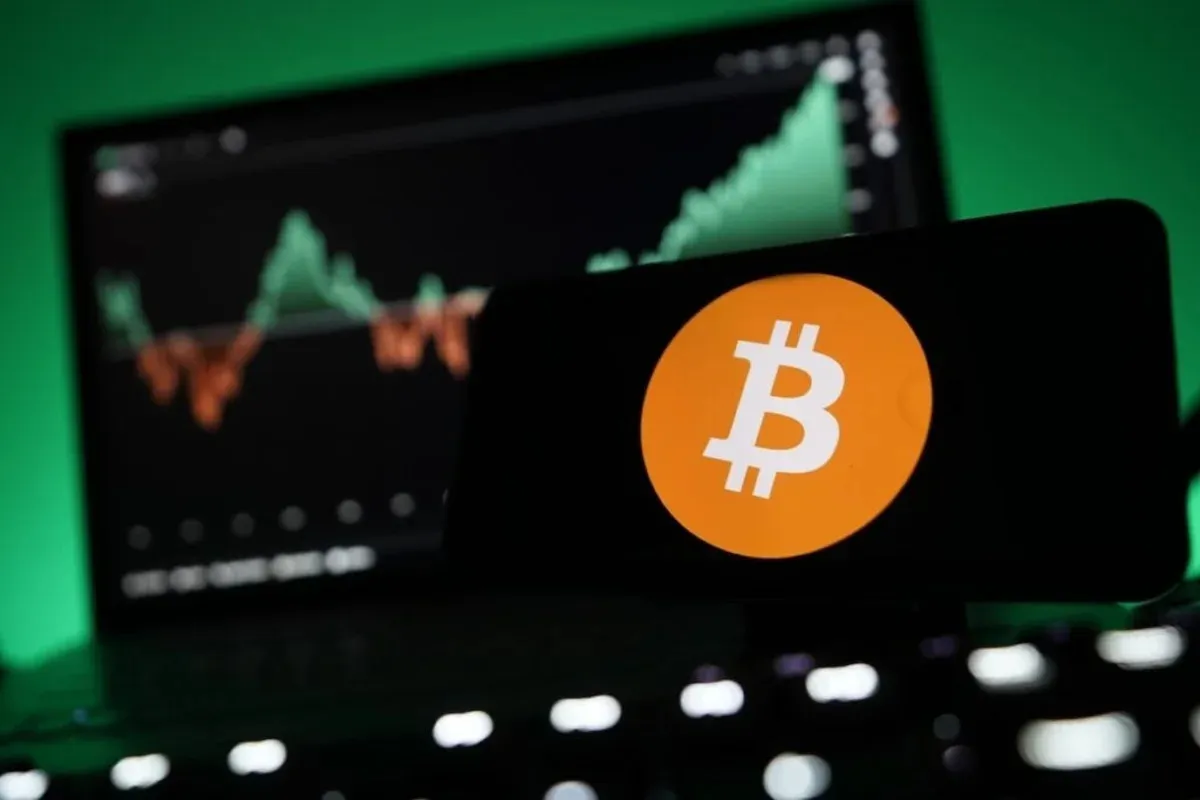
The cryptocurrency market is currently experiencing a notable stagnation, largely influenced by the release of the Clarity Act, which introduces new ethics provisions regarding cryptocurrency investments. These developments come at a time of rising geopolitical tensions, particularly in the Middle East, leading investors to adopt a cautious approach. Major cryptocurrencies, including Bitcoin, Ethereum, and Dogecoin, have shown minimal movement, prompting analysts to highlight key resistance levels and market dynamics that could affect future performance.
As of July 22, 2026, Bitcoin (BTC) was trading at approximately $65,933, a slight decline of 0.64% in the last 24 hours. Ethereum (ETH) managed a marginal increase of 0.05%, hovering around $1,931. Meanwhile, XRP and Dogecoin also exhibited minimal changes, reflecting a broader market trend of restraint. These flatlining prices have left investors wondering whether a significant rebound is on the horizon or if the market is merely biding its time.
Understanding the Clarity Act and Its Implications
The Clarity Act, recently drafted by Senate Republicans, aims to provide clearer regulations concerning cryptocurrency investments, particularly for federal officials. This includes provisions that would limit the ability of the president and other high-ranking officials to engage in cryptocurrency trading, a move that is intended to curb potential conflicts of interest and ensure transparency.
This legislation could have profound implications for the cryptocurrency market, particularly as it seeks to establish a more regulated environment. While some investors may welcome clarity and oversight, others express concerns that increased regulations could stifle innovation and limit market growth.

Market Response: Investors on Edge
As the Clarity Act gains attention, the market's response has been mixed. The cryptocurrency market capitalization stands at approximately $2.26 trillion, reflecting a slight increase of 0.82% over the last 24 hours. However, trading activity remains subdued, with over $180 million liquidated from the market, primarily from long positions.
Bitcoin's open interest, a measure of the total number of outstanding derivative contracts, has fallen by 2.18% in the past day. This decline indicates a waning interest from traders, particularly as fear sentiment has taken hold, evidenced by the Crypto Fear & Greed Index, which currently leans towards fear.
Challenges for Major Cryptocurrencies
Bitcoin's recent performance has raised questions about its ability to maintain momentum. The cryptocurrency struggled to break the $67,000 mark, slipping back to the $65,000 range amid strong selling pressure. Analysts, including Ali Martinez, suggest that Bitcoin must secure a close above $70,920 to confirm a continuation of its rebound. This resistance level corresponds with the -0.5 band on the MVRV pricing bands, where the aggregate investor cost basis could create sell-side pressure.
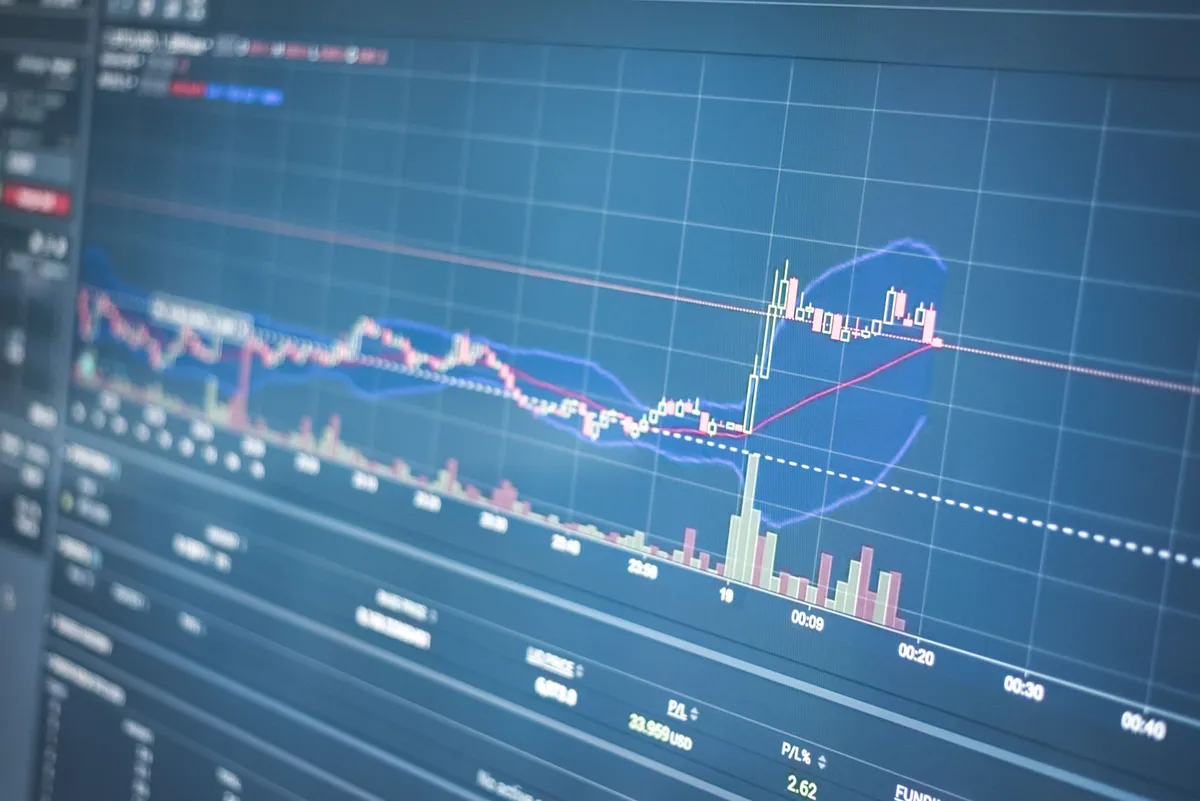
Ethereum's behavior has been similarly cautious, fluctuating within a narrow range between $1,900 and $1,950. XRP and Dogecoin have also remained stagnant, indicating a broader market trend of indecision among investors.
Geopolitical Tensions and Market Sentiment
In addition to regulatory concerns, the cryptocurrency market is also grappling with rising geopolitical tensions, particularly in the Middle East. Recent statements from U.S. Secretary of State Marco Rubio have underscored the seriousness of these tensions, particularly regarding Iran's demands related to the Strait of Hormuz. Such instability can significantly impact investor sentiment across global markets, including cryptocurrencies.
When geopolitical tensions rise, investors often become more risk-averse, leading to reduced trading volumes and increased volatility in asset prices. This phenomenon is evident in the current market, as many investors appear hesitant to make substantial commitments until there is greater clarity regarding both regulatory frameworks and geopolitical developments.
Bitcoin's Path Forward: Key Levels to Watch
As Bitcoin continues its push for recovery, analysts are keenly watching the $70,920 resistance level. This threshold is critical for determining whether Bitcoin can sustain its current rally or if it will succumb to selling pressure. The lack of robust spot demand suggests that the recent price uptick may be fueled more by leverage than genuine market enthusiasm.
The on-chain analytics firm CryptoQuant has noted that while Bitcoin's price has increased, actual spot buying has remained thin. Without significant increases in spot volume, any upward momentum may not be sustainable. Investors are advised to monitor trading volumes closely, as a rise in spot activity could signal a healthier market environment.
Key Takeaways
- Stagnant Prices: Major cryptocurrencies like Bitcoin and Ethereum are currently experiencing minimal price movement amid regulatory scrutiny.
- Clarity Act: New regulations proposed in the Clarity Act aim to limit cryptocurrency investments by federal officials, impacting market sentiment.
- Geopolitical Factors: Rising tensions in the Middle East are contributing to increased investor caution across markets, including cryptocurrency.
- Resistance Levels: Analysts highlight $70,920 as a crucial resistance level for Bitcoin, essential for confirming any rebound.
- Market Sentiment: The Crypto Fear & Greed Index reflects a prevailing fear sentiment, indicating investor hesitation.
Frequently Asked Questions
What is the Clarity Act, and how does it affect cryptocurrency trading?
The Clarity Act is a proposed piece of legislation that seeks to establish clearer regulations around cryptocurrency investments, particularly for federal officials. By limiting their ability to trade cryptocurrencies, the Act aims to prevent potential conflicts of interest and promote transparency in the market. This regulatory framework could have significant implications on how cryptocurrencies are perceived and traded, affecting overall market dynamics.
Why are major cryptocurrencies like Bitcoin and Ethereum experiencing flat prices?
The flat prices of major cryptocurrencies can be attributed to a combination of factors, including regulatory uncertainty, lack of robust trading volumes, and rising geopolitical tensions. Investors are currently adopting a cautious stance, leading to decreased trading activity and minimal price fluctuations. Additionally, with the Crypto Fear & Greed Index reflecting fear sentiment, many are hesitant to make significant investments until there is greater clarity in the market.
What resistance levels should investors watch for Bitcoin?
Investors are advised to monitor the $70,920 resistance level for Bitcoin, as securing a close above this threshold is critical for confirming a continuation of its rebound. This resistance corresponds with the -0.5 band on the MVRV pricing bands, where the aggregate investor cost basis could create sell-side pressure. A sustained move above this level may indicate a healthier market sentiment and the potential for further gains.
How do geopolitical tensions impact cryptocurrency markets?
Geopolitical tensions can significantly influence investor sentiment and behavior across global markets, including cryptocurrencies. When geopolitical uncertainty rises, investors often become more risk-averse, leading to reduced trading volumes and increased volatility in asset prices. This cautious behavior can result in stagnation or declines in asset prices, as seen in the current cryptocurrency market.
Comments
Treasury Officials Raise Red Flags on New Tax Alpha ETFs
Recent comments from Treasury officials suggest growing concerns over tax alpha ETFs, which they label as possibly 'too good to be true.' This article explores the implications of these new tax strategies and their potential impact on investors.
Related articles







Popular in Investing
- Navigating the Dismal Landscape of 2026's Worst-Performing ETFs
- Navigating the Turbulent Waters of Energy Markets: A Deep Dive
- Stablecoin Market Faces $10 Billion Decline — What It Means for Investors
- Cotton Futures Surge Despite Increased Production Forecasts
- Avantus Secures $525 Million for Major California Solar Project