Surge in Demand: Besi's Orders Double Amid AI and Hybrid Bonding Growth
Besi, a leading semiconductor equipment manufacturer, reports that its quarterly orders have more than doubled, driven by the rising demand for AI technologies and hybrid bonding solutions. The company anticipates continued growth as it capitalizes on these trends.
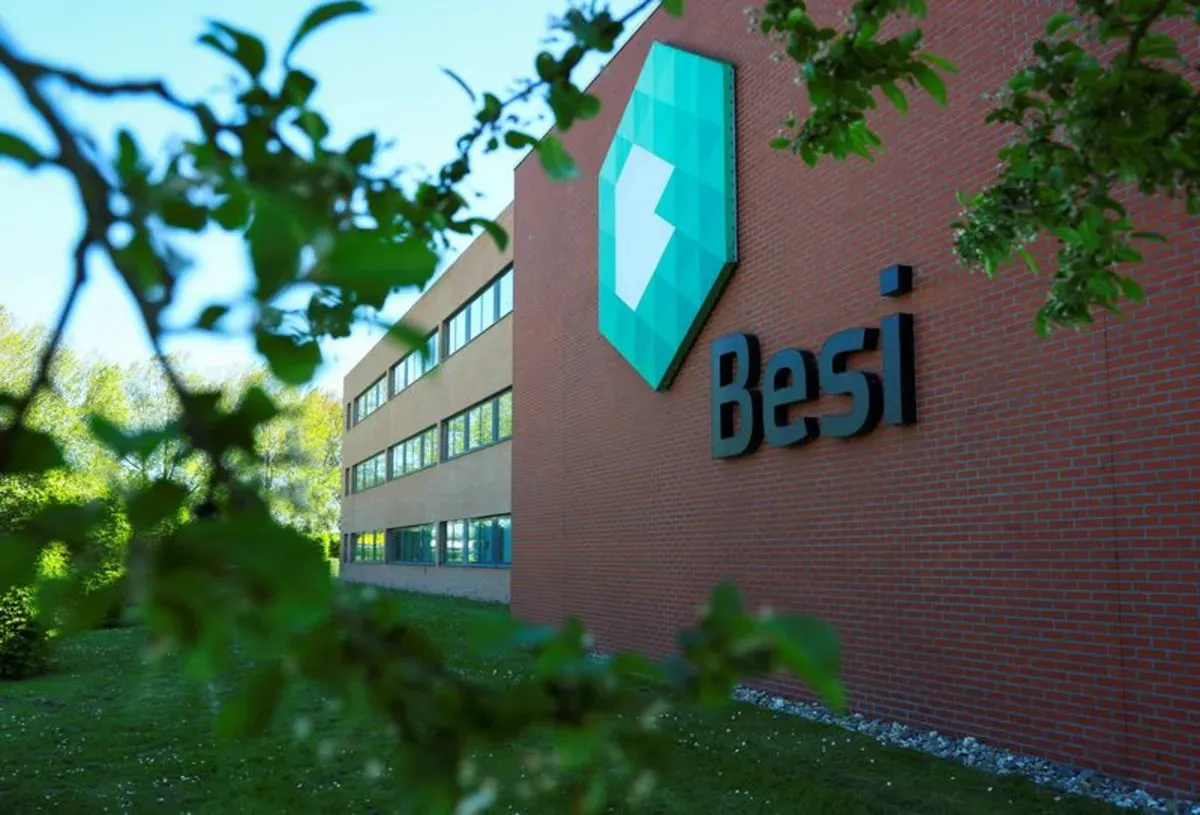
The semiconductor industry is witnessing a transformative shift, largely fueled by advancements in artificial intelligence (AI) and innovative packaging technologies. Among the key players in this space, BE Semiconductor Industries (Besi) has recently announced a remarkable surge in its quarterly orders, more than doubling compared to the previous year. This development not only highlights the growing importance of AI but also underscores how hybrid bonding technologies are reshaping the semiconductor landscape.
In its latest earnings report, Besi revealed that its order bookings for the second quarter reached an impressive €292.9 million (approximately $334.8 million), a significant increase from €128 million during the same period last year. This growth reflects a burgeoning demand for AI solutions, hybrid bonding, and other related technologies, painting a promising picture for the company's future.
Understanding Hybrid Bonding Technology
Hybrid bonding is an advanced packaging technique that allows for the direct bonding of two semiconductor chips. This method not only enhances performance but also reduces packaging size, making it particularly valuable in applications where space and efficiency are critical. As AI applications proliferate, the necessity for high-performance chips that can be effectively integrated into various systems has never been greater.
Market Demand and Application Growth
Besi's hybrid bonding solutions have found favor across a diverse range of sectors, including logic, memory, co-packaged optics, and consumer electronics. The company reported an increase in its customer base for hybrid bonding technology, growing from 15 customers at the end of the previous year to 21 this quarter. This uptick indicates a wider acceptance and application of hybrid bonding, signaling a shift in industry standards.
- AI and Data Centers: The demand for AI-driven applications is particularly strong, with data centers requiring advanced packaging solutions to accommodate the increased computational power needed for AI processes.
- Consumer Electronics: As smart devices become more sophisticated, the need for compact, high-performance chips is driving the adoption of hybrid bonding technologies.
- Photonics and Optics: The integration of optical components within semiconductor devices is becoming crucial, making hybrid bonding an attractive solution for manufacturers.
CEO Insights and Future Projections
Richard Blickman, CEO of Besi, expressed optimism about the company's prospects in his statement. He noted, "We see order momentum continuing in the third quarter due to ongoing demand strength for current and future AI applications, as well as improvement in Besi's traditional mainstream end-user markets." This sentiment aligns with industry trends indicating that AI-related spending is expected to maintain a robust growth trajectory over the coming years.
Besi is forecasting a revenue growth of 10% to 15% for the third quarter, compared to the €249.9 million reported for the previous quarter. This projection further cements Besi's position as a key player in the semiconductor market, particularly as other industry giants like Alphabet, ASML, and TSMC also report strong demand for AI chips.
The Broader Semiconductor Landscape
The semiconductor industry is at a pivotal moment, as the intersection of AI and advanced manufacturing techniques drives innovation. With AI applications becoming increasingly integral to various sectors, the need for sophisticated semiconductor solutions is likely to escalate. Companies like Besi that are able to leverage their technological advancements in hybrid bonding are positioned advantageously to capture market share as demand grows.
Competitive Landscape
As the semiconductor market evolves, competition is intensifying. Besi's first-mover advantage in hybrid bonding technology is a significant asset, but it will need to remain agile and innovative to fend off competitors. Other firms are also investing heavily in AI-related technologies, and staying ahead will require ongoing research and development as well as strategic partnerships with key players in the AI ecosystem.
Key Takeaways
- Besi's quarterly orders have more than doubled, reaching €292.9 million.
- The company attributes this surge to growing demand for AI technologies and hybrid bonding solutions.
- Besi expects revenue growth of 10% to 15% in the upcoming third quarter.
- Hybrid bonding technology is gaining traction across multiple sectors, including data centers and consumer electronics.
- Industry giants are also reporting strong demand for AI chips, indicating a robust semiconductor market.
Frequently Asked Questions
What is hybrid bonding technology, and why is it important?
Hybrid bonding technology is an advanced semiconductor packaging method that allows for the direct bonding of two chips. This technology enhances the performance and efficiency of semiconductor devices, making it particularly crucial for applications that require compact and powerful chips, such as those used in AI and data centers. As the need for high-performance computing grows, hybrid bonding becomes increasingly important in meeting these demands.
How does the surge in AI demand affect the semiconductor market?
The surge in AI demand is significantly impacting the semiconductor market by driving the need for more advanced chips and packaging solutions. As industries integrate AI into their operations, the requirement for high-performance semiconductors that can handle complex computations increases. This has led to greater investment in semiconductor technologies, including hybrid bonding, as companies seek to improve their product offerings and maintain competitiveness.
What is Besi's position in the semiconductor industry?
Besi holds a notable position in the semiconductor industry, particularly due to its innovative hybrid bonding technology. As a key player, the company is well-positioned to capitalize on the growing demand for AI-related solutions. With its order surge and positive revenue projections, Besi is demonstrating its capability to adapt to market changes and leverage its technological advantages effectively.
What should investors consider regarding Besi's future growth?
Investors should consider several factors when evaluating Besi's future growth. These include the company's ability to sustain its competitive edge in hybrid bonding technology, the ongoing demand for AI applications, and its responsiveness to market trends. Additionally, keeping an eye on the broader semiconductor market and the performance of competitors will provide valuable context for understanding Besi's potential in the coming quarters.
This content is educational and not financial advice.
Comments
Alphabet's Strong Q2 Earnings: Balancing Growth and Capital Expenditure Concerns
Alphabet's Q2 earnings reveal substantial revenue growth, but rising capital expenditures prompt investor concerns. Despite this, GOOGL stock presents an attractive opportunity for long-term growth.

Related articles





Popular in Investing
- Navigating the Dismal Landscape of 2026's Worst-Performing ETFs
- Navigating the Turbulent Waters of Energy Markets: A Deep Dive
- Stablecoin Market Faces $10 Billion Decline — What It Means for Investors
- Cotton Futures Surge Despite Increased Production Forecasts
- Avantus Secures $525 Million for Major California Solar Project