The Copper Boom: Understanding the Surge in Demand and Prices
Copper prices are soaring, driven by increasing global demand across industries. This article explores the implications for investors and producers as the market shifts.
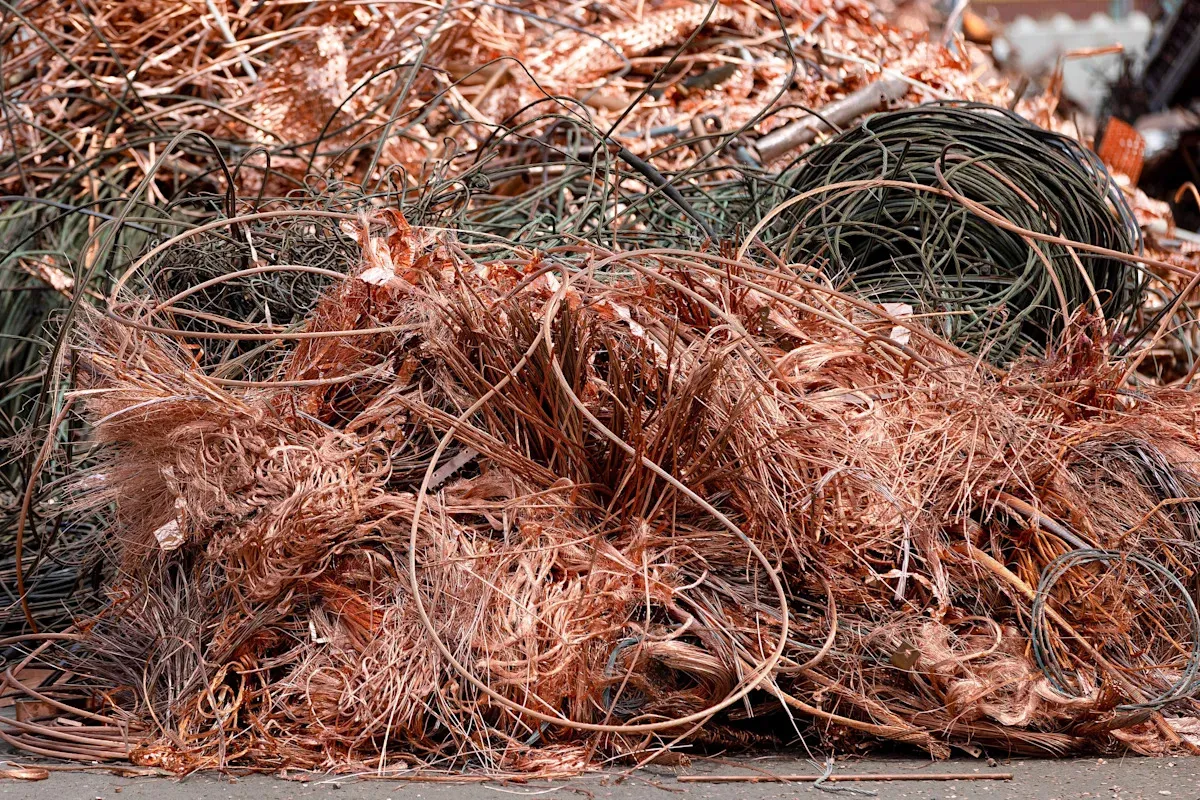
The world is experiencing a significant shift in demand for copper, often referred to as the "quiet metal" due to its essential yet understated role in various industries. As of late July 2026, copper prices have reached $6.32 per pound in New York and $13,895 per ton in London, showcasing a remarkable increase of over 700% since the end of 1999. This bullish trend is not merely a blip on the radar; it signals a robust market driven by the escalating needs of modern technology and infrastructure. In this article, we will dive deep into the factors fueling this surge in copper demand, its implications for investors and producers, and the broader economic context surrounding this valuable metal.
Understanding Copper's Ubiquity in Modern Society
Copper has been an invaluable resource throughout human history, transitioning from a decorative metal in ancient civilizations to a critical component in contemporary technology. This metal's conductivity makes it indispensable for electrical wiring, plumbing, and electronic devices. In recent years, the demand for copper has been markedly influenced by several key sectors:
- Data Centers: With the explosion of cloud computing and digital services, data centers are consuming enormous amounts of copper. For instance, data centers use approximately 25 to 47 metric tons of copper per megawatt of power.
- Electrification: The global shift towards renewable energy sources, electric vehicles (EVs), and improved electrical infrastructure is driving the demand for copper. EVs can require up to 183 pounds of copper each, according to industry estimates.
- Construction: The construction industry relies heavily on copper for plumbing, roofing, and wiring in new residential and commercial buildings, further escalating demand.

Freeport-McMoRan and the Copper Mining Landscape
As the largest U.S.-based copper producer, Freeport-McMoRan (FCX) has been at the forefront of this copper boom. The company's second-quarter results for 2026 revealed a surprising 28% profit gain, despite a 7.3% decline in revenue. This paradox highlights the unique dynamics of the copper market, where rising prices can lead to increased profitability even amidst declining sales volume.
Freeport’s Operations and Market Position
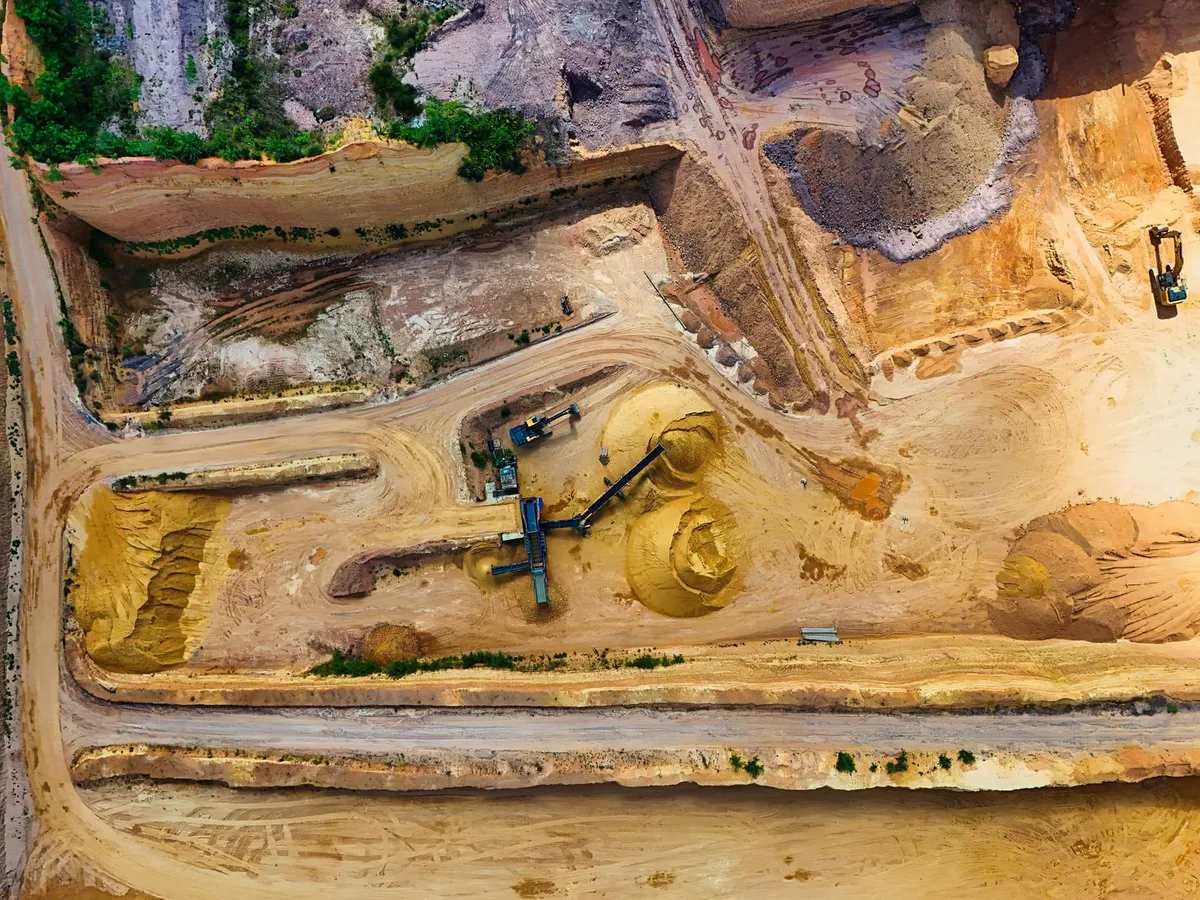
Freeport operates several key mines, including the Grasberg mine in Indonesia, recognized as one of the richest gold deposits globally, alongside its extensive copper production. The company's diverse portfolio also includes operations in Arizona, New Mexico, Peru, and Chile. Such geographical diversity allows Freeport to mitigate risks associated with localized market fluctuations and production challenges.
Global Demand Projections and Economic Implications
The future of copper demand looks promising. According to S&P Global, global copper demand is projected to increase from 28 million metric tons to 42 million metric tons by 2040—a staggering 50% increase. This anticipated growth is largely fueled by the aforementioned sectors, particularly the electrification efforts worldwide.
Investor Sentiment and Market Trends
Despite Freeport's strong performance, some analysts caution that FCX shares may be overbought, given the existing copper price levels and potential demand fluctuations. The uncertainty surrounding gold prices and production outputs from Indonesia has led to a revision in Freeport's cash flow projections, which were lowered from $8.7 billion to $8.3 billion for the year. Such adjustments remind investors of the volatility inherent in commodities markets.
Regional and Global Dynamics in Copper Production
The top copper-producing countries—Chile, Australia, Peru, Russia, and the United States—are poised to benefit from this surge in demand. These nations are increasingly focused on ramping up production capabilities to meet the growing global appetite for copper. For instance, Chile, which holds some of the largest copper reserves in the world, continues to invest in its mining infrastructure to enhance production efficiency.
Key Takeaways
- Rising Demand: The global shift towards electrification and technology is driving unprecedented demand for copper.
- Freeport-McMoRan's Role: As a leading copper producer, Freeport's performance reflects broader market trends, despite potential concerns of overvaluation.
- Future Projections: Global copper demand is expected to rise significantly, presenting opportunities for both producers and investors in the coming years.
- Geopolitical Considerations: The dynamics of global copper production are influenced by regional politics and trade agreements.
Frequently Asked Questions
What are the main uses of copper today?
Copper is primarily used in electrical wiring and plumbing, making it essential for both residential and industrial applications. Its excellent conductivity makes it a preferred choice for electrical components, and with the rise of renewable energy technologies and electric vehicles, its usage is only expected to grow. Additionally, copper alloys are used in various manufacturing processes, enhancing its versatility in modern industries.
How can investors capitalize on the copper boom?
Investors looking to capitalize on the rising demand for copper can consider investing in mining stocks, exchange-traded funds (ETFs) that focus on commodities, or directly in copper futures. However, it’s essential to conduct thorough research and assess market conditions, as commodity investments can be volatile and influenced by various external factors such as geopolitical events and global economic trends.
What factors could affect copper prices in the future?
Several factors can influence copper prices, including global economic conditions, technological advancements, supply chain dynamics, and geopolitical issues. For example, disruptions in major copper-producing countries due to strikes or regulatory changes can impact supply, leading to price fluctuations. Similarly, shifts in demand from key industries such as construction and technology can also affect market prices.
Is the current surge in copper prices sustainable?
The sustainability of the current copper price surge depends on various factors, including ongoing demand from key sectors such as data centers and electric vehicles, as well as the capacity of mining operations to meet this demand. Analysts remain cautiously optimistic, with many projecting a continued increase in demand over the coming years, but potential regulatory challenges and market corrections could introduce volatility.
This content is educational, not financial advice.
Comments
Alphabet's Strong Q2 Earnings: Balancing Growth and Capital Expenditure Concerns
Alphabet's Q2 earnings reveal substantial revenue growth, but rising capital expenditures prompt investor concerns. Despite this, GOOGL stock presents an attractive opportunity for long-term growth.

Related articles




Popular in Investing
- Navigating the Dismal Landscape of 2026's Worst-Performing ETFs
- Navigating the Turbulent Waters of Energy Markets: A Deep Dive
- Stablecoin Market Faces $10 Billion Decline — What It Means for Investors
- Cotton Futures Surge Despite Increased Production Forecasts
- Avantus Secures $525 Million for Major California Solar Project