OPEC+ Production Targets Rise Amid Ongoing Export Challenges
OPEC+ is set to increase oil production targets again in August, despite ongoing challenges in actual output. Learn more about the geopolitical tensions impacting energy markets and what it means for global oil supply.
As the global oil market continues to navigate the tumultuous waters of geopolitical tensions and production constraints, OPEC+ is poised to approve yet another increase in oil production targets during their upcoming meeting on August 2. This development follows a series of similar adjustments over the past few months, as the coalition of oil-producing nations attempts to unwind voluntary supply cuts that have been largely symbolic since the outbreak of the Iran war disrupted Gulf exports. With key players like Saudi Arabia, Russia, Iraq, Kuwait, Algeria, Kazakhstan, and Oman involved, the proposed increase of 188,000 barrels per day for September signals OPEC+'s intention to enhance global oil supply, but the reality on the ground paints a more complex picture.
Despite the optimistic targets set by OPEC+, actual production figures tell a different story. In June, the coalition managed to produce only 36.28 million barrels per day (bpd), a stark drop from nearly 43 million bpd prior to the onset of the Iran conflict in February. This discrepancy raises critical questions about the effectiveness of OPEC+'s strategies and the ongoing ability of member nations to adhere to their production quotas amidst a backdrop of renewed threats to shipping routes in key export channels.
Challenges in Oil Production and Export
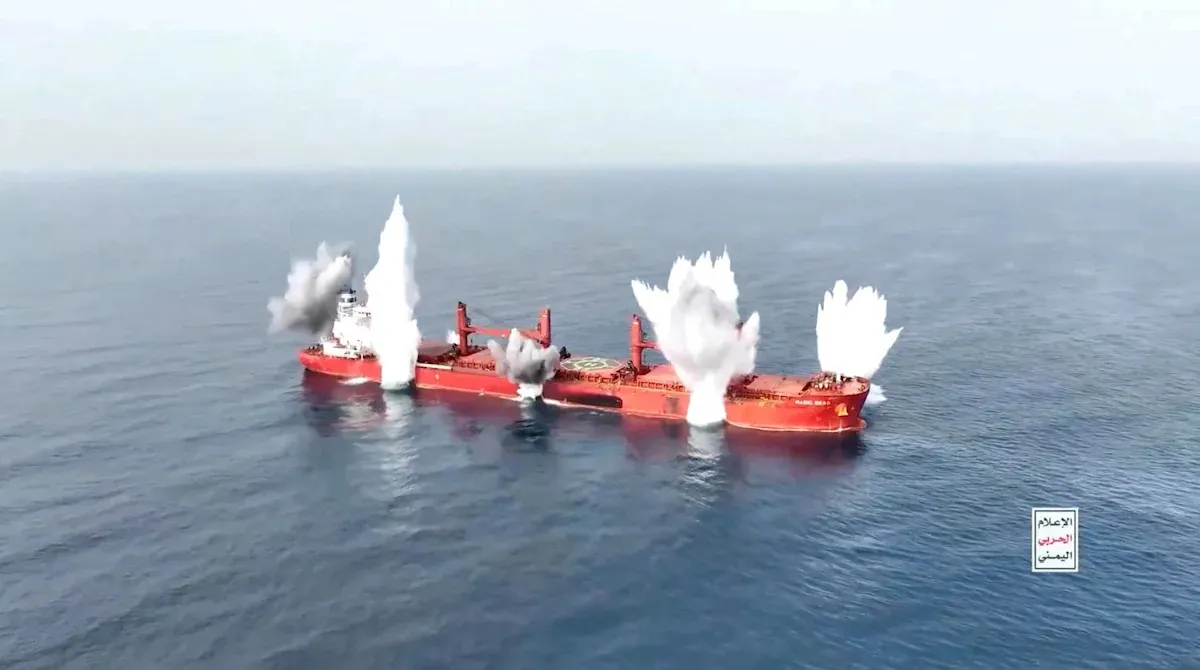
OPEC+ has faced a myriad of challenges in restoring production levels, primarily due to logistical disruptions and geopolitical tensions. The ongoing conflict has led to significant threats to shipping through the Strait of Hormuz, a vital passage for oil exports, prompting additional concerns following recent Houthi attacks on Saudi-linked tankers. As a result, Brent crude oil prices surged past $100 a barrel, reflecting the market's anxiety over supply disruptions.
Geopolitical Tensions and Their Impact
The geopolitical landscape surrounding oil production is fraught with volatility. Saudi Arabia has taken measures to redirect much of its crude exports through the Red Sea, seeking to bypass the increasingly unreliable Strait of Hormuz. However, this alternative route is now facing pressure as well, further complicating the situation for OPEC+ and its member nations.
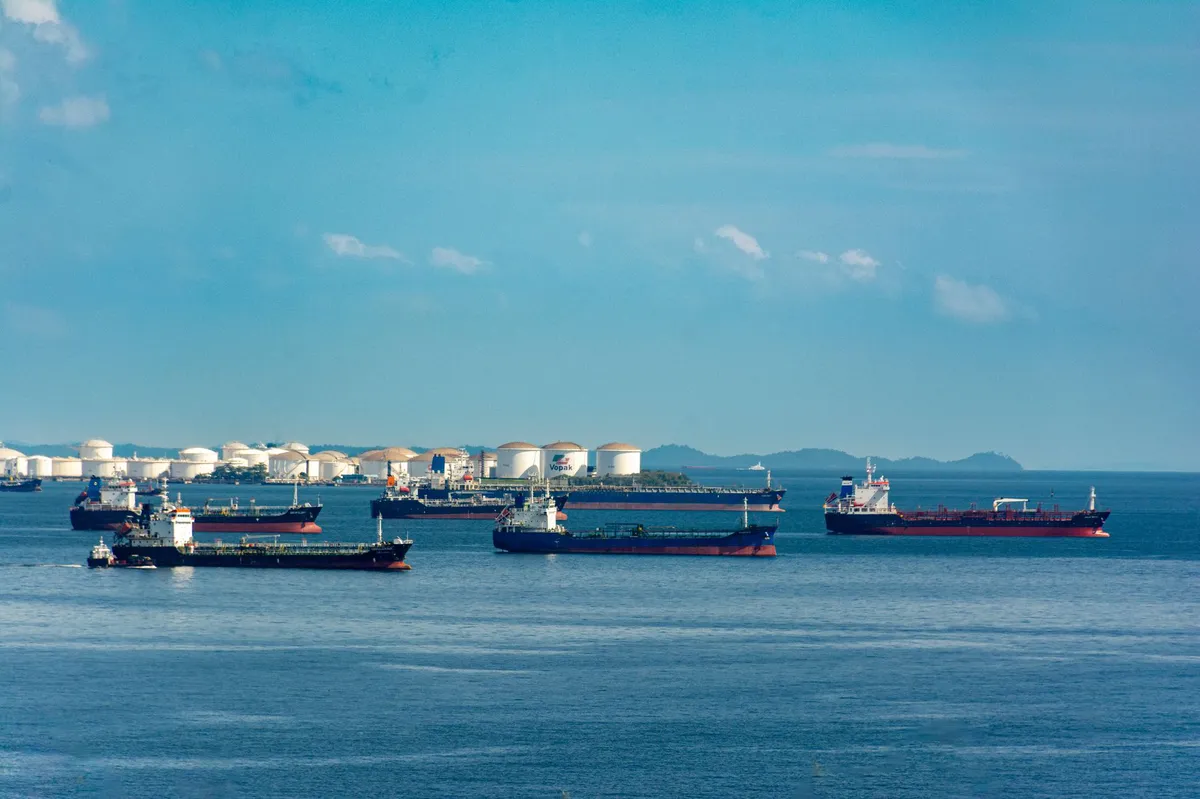
Historically, OPEC+ has utilized production quotas as a tool to manage oil prices and stabilize the market. However, the current environment is marked by significant external factors that hinder production capacity. For instance, Iraq is grappling with export bottlenecks that prevent it from fully realizing its production potential, while Kazakhstan has had to cut back on production due to drone attacks that have disrupted operations at key terminals. Similarly, Russia is contending with refinery disruptions stemming from ongoing conflicts.
The Role of Production Increases
Even amid these challenges, the decision to raise production targets serves a strategic purpose. By signaling an intent to replace lost barrels, OPEC+ aims to reassure markets that it is prepared to respond to global oil demand as soon as export routes allow. This proactive approach could potentially mitigate some of the price volatility that has characterized the oil market in recent months.
- Saudi Arabia: Has available production capacity but faces infrastructure risks.
- Iraq: Export bottlenecks continue to limit production capabilities.
- Kazakhstan: Production cuts due to disruptions at the Caspian Pipeline Consortium terminal.
- Russia: Ongoing refinery disruptions from drone strikes hinder output.
These conditions illustrate the inherent complexities of the oil market, where production targets and actual output can diverge significantly due to external pressures. The ability of OPEC+ members to navigate these challenges will be critical in shaping future market dynamics.
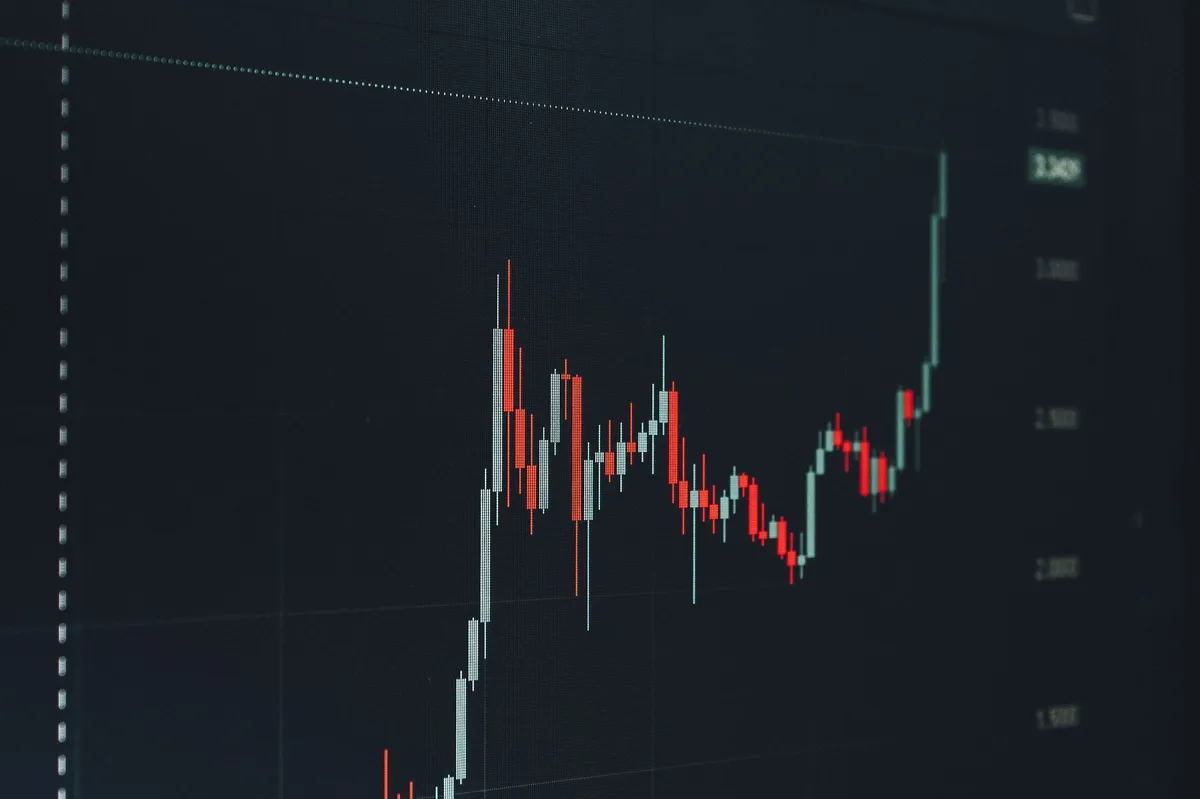
The Future of OPEC+ and Global Oil Supply
Looking ahead, the future of OPEC+ will depend heavily on its ability to adapt to an evolving geopolitical landscape. As conflicts continue to disrupt traditional supply routes and create uncertainty in oil markets, the coalition's decisions will have far-reaching implications for global energy prices and availability. Investors, businesses, and consumers alike should keep a close eye on OPEC+ developments, as changes in production targets can have immediate effects on oil prices and, by extension, the broader economy.
What This Means for Consumers
For the average consumer, fluctuations in oil prices can translate into higher costs at the pump and increased prices for goods and services reliant on oil. As OPEC+ continues to grapple with production challenges, consumers should be prepared for ongoing volatility in fuel prices. Strategies for mitigating these impacts include considering alternative transportation methods, reducing consumption, or exploring fuel-efficient vehicle options.

Key Takeaways
- OPEC+ is expected to raise production targets by 188,000 bpd in September.
- Actual production has fallen significantly, from nearly 43 million bpd to 36.28 million bpd since February.
- Geopolitical tensions, particularly in the Strait of Hormuz, are complicating export efforts.
- Raising quotas signals OPEC+'s intent to replace lost barrels as soon as feasible.
- Consumers should prepare for potential price volatility at the gas pump.
Frequently Asked Questions
What factors are influencing OPEC+'s production decisions?
OPEC+'s production decisions are primarily influenced by global oil demand, geopolitical tensions, and the operational capabilities of its member nations. As conflicts, such as the ongoing Iran war, disrupt traditional supply routes, OPEC+ must navigate a complex landscape to manage production effectively. Additionally, fluctuations in global market prices and the need to stabilize the economy are key considerations in their decision-making process.
How does OPEC+ affect global oil prices?
OPEC+ plays a significant role in influencing global oil prices through its production targets and output levels. When the coalition raises production targets, it typically signals an intention to increase supply, which can lead to lower prices. Conversely, production cuts can create supply shortages, driving prices higher. The delicate balance of managing these dynamics is crucial for both the coalition's member nations and the global economy.
What can consumers do to mitigate rising fuel costs?
Consumers can take several steps to mitigate the impact of rising fuel costs. These include carpooling or using public transportation to reduce gasoline consumption, maintaining vehicle efficiency through regular maintenance, and considering fuel-efficient or electric vehicles. Additionally, being mindful of driving habits can help minimize fuel expenses.
Disclaimer: This content is educational and not financial advice.
Comments
Alphabet's Strong Q2 Earnings: Balancing Growth and Capital Expenditure Concerns
Alphabet's Q2 earnings reveal substantial revenue growth, but rising capital expenditures prompt investor concerns. Despite this, GOOGL stock presents an attractive opportunity for long-term growth.

Related articles





Popular in Investing
- Navigating the Dismal Landscape of 2026's Worst-Performing ETFs
- Navigating the Turbulent Waters of Energy Markets: A Deep Dive
- Stablecoin Market Faces $10 Billion Decline — What It Means for Investors
- Cotton Futures Surge Despite Increased Production Forecasts
- Avantus Secures $525 Million for Major California Solar Project