Impact of Texas Verdict on 3PL Stocks: A Turning Point for the Brokerage Industry
A recent Texas court verdict against C.H. Robinson has sent shockwaves through the third-party logistics (3PL) sector, leading to significant stock declines. This article explores the implications of this case for the brokerage industry, investors, and future litigation trends.
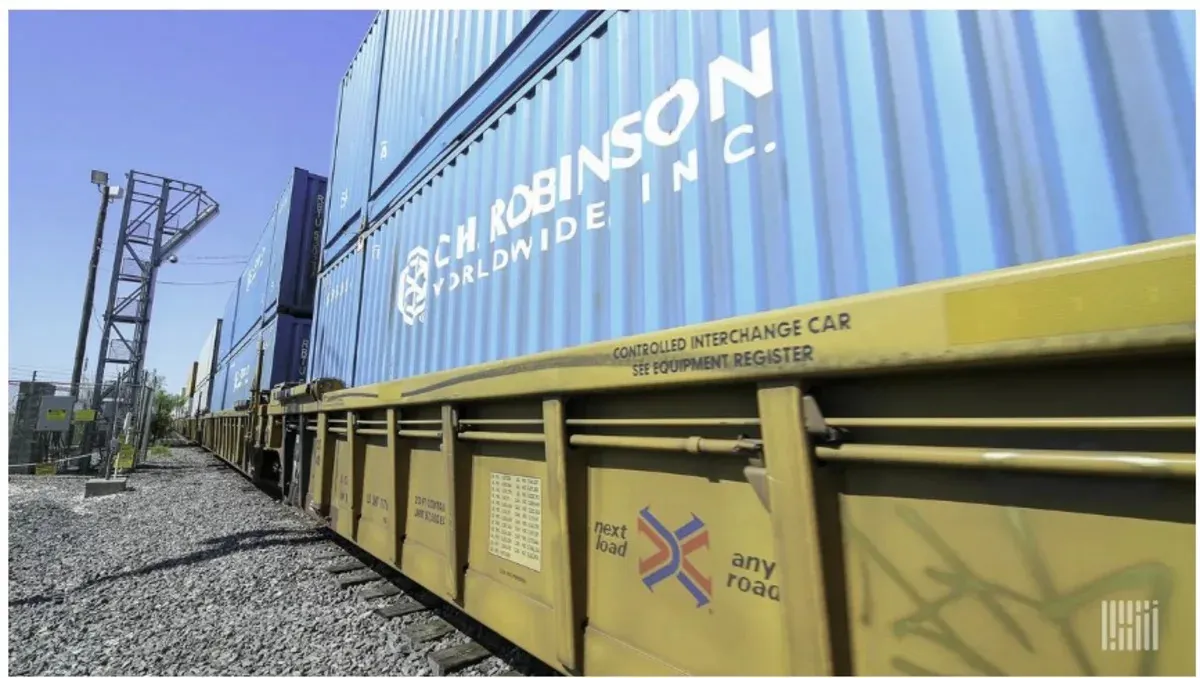
The recent verdict in a Texas court against C.H. Robinson, a leading player in the third-party logistics (3PL) industry, has sparked a significant sell-off of stocks in the sector. With a staggering $604 million compensatory damages award against the company, investors are left grappling with the potential ramifications for the brokerage industry as a whole. As 3PL stocks plummeted, many are now questioning the future of liability in logistics and the criteria brokers should use when selecting carriers. This case may mark a turning point in how third-party logistics providers navigate their responsibilities.
C.H. Robinson, which had recently celebrated a 52-week high in stock price, saw its shares drop by 9.25% to $186.50 following the jury's decision. Other major players in the sector, such as RXO and Landstar, also experienced declines of 7.71% and 3.68%, respectively. The financial fallout illustrates how profound the implications of the ruling may be, not just for C.H. Robinson but for the entire brokerage landscape.
The Case that Shook the Industry
The case, known as Lipe vs. Lupus Superior, stemmed from a tragic 2021 crash that resulted in the deaths of three individuals, including the driver of a carrier hired by C.H. Robinson. The jury's verdict represents a seismic shift in how liability may be assessed in the logistics industry, particularly following the recent Supreme Court ruling in Montgomery vs. Caribe Transport II, which stripped away previous protections that brokers had relied on.
Previous Legal Landscape
Historically, 3PL companies like C.H. Robinson could argue that they were insulated from liability based on the Federal Aviation Administration Authorization Act (F4A). However, the Montgomery ruling effectively dismantled this defense. The court found that brokers could indeed be held liable for the actions of carriers they hire, fundamentally altering the risk landscape for these businesses.
Investor Reactions and Market Implications
The immediate investor reaction was swift and severe, with analysts expressing deep concerns about the future of the industry. According to TD Cowen, this verdict is only the beginning, marking the start of a new era of litigation risks for brokers. In their report, they indicated that many pending cases were waiting for the Supreme Court's guidance and are now likely to proceed, posing additional risks for investors.
The Financial Fallout
As C.H. Robinson prepares for an appeal, the implications of the jury's award loom large. While the company may not take an immediate earnings charge, the potential for future liabilities raises critical questions about its financial health. Analysts are speculating that any significant settlement could mirror previous instances, such as Wabash National's $342 million charge related to its own nuclear verdict.
Navigating New Liability Standards
One of the most troubling aspects of the jury's decision is the finding that the driver for Lupus Superior was effectively an employee of C.H. Robinson. This finding raises critical questions about how brokers should assess the safety and reliability of carriers. If even carriers with satisfactory safety ratings from the Federal Motor Carrier Safety Administration (FMCSA) can lead to liability, brokers may find themselves in an untenable position when it comes to selecting transportation partners.
- The jury's decision could lead to heightened scrutiny of carrier safety ratings.
- Brokers may need to re-evaluate their vetting processes for carriers.
- Future court cases will likely continue to shape liability standards in the industry.
Anticipating Future Litigation Trends
The implications of the Lipe vs. Lupus case extend far beyond the immediate financial ramifications for C.H. Robinson. The logistics industry is bracing for a potential wave of litigation as more cases arise in the wake of the Montgomery ruling. Analysts at TD Cowen have noted that verdicts are coming faster than expected, indicating that brokers need to be aware of the evolving legal landscape and its associated risks.
What Lies Ahead for 3PL Companies
As the industry grapples with these new realities, it is crucial for 3PL companies to engage in proactive risk management. This may involve revisiting insurance coverage limits and liability clauses in contracts with carriers. Some analysts suggest that C.H. Robinson, despite the current turmoil, could potentially limit its losses by capitalizing on favorable developments in the appeals process.

Key Takeaways
- The Texas verdict against C.H. Robinson marks a pivotal moment for the 3PL industry.
- Investors are reacting strongly, with significant stock declines across major players.
- Future litigation trends are expected to evolve as cases proceed in light of the Montgomery ruling.
- Brokers may need to reassess their carrier selection criteria to mitigate liability risks.
- The outcome of C.H. Robinson's appeal will be critical in determining future financial impacts.
Frequently Asked Questions
What is a nuclear verdict?
A nuclear verdict refers to an exceptionally high damages award, often exceeding expectations and serving as a wake-up call for industries affected by such legal outcomes. In the case of C.H. Robinson, the jury awarded approximately $604 million, a sum that has raised alarms across the 3PL sector and may set a precedent for future cases.
How could this verdict affect 3PL companies?
The verdict against C.H. Robinson may lead to increased liability for other 3PL companies, as it raises questions about the adequacy of existing safety standards for carriers. Companies may need to implement more rigorous vetting processes and reconsider their insurance coverage in light of this changing legal landscape.
What steps can investors take in response to this situation?
Investors should closely monitor the evolving legal landscape affecting the 3PL sector. Assessing the financial health of companies in this industry and considering the potential for future liabilities will be crucial for informed investment decisions. Additionally, diversifying portfolios to mitigate risk may be prudent in the wake of this verdict.
What are the potential long-term impacts of the Montgomery ruling?
The Montgomery ruling could have lasting implications for the liability landscape in the logistics industry. As more cases are brought to court, the standards for broker responsibility may evolve, leading to increased scrutiny of carrier safety records and potential changes in legislation that govern the relationships between brokers and carriers.
*Disclaimer: This content is educational and not financial advice.*
Comments
Micron Technology: A New Era in AI Memory Production
Micron Technology is undergoing a transformative shift, positioning itself as a key player in the AI hardware market. While its recent earnings growth is impressive, market skepticism remains regarding the sustainability of this momentum.

Related articles







Popular in Investing
- Navigating the Dismal Landscape of 2026's Worst-Performing ETFs
- Navigating the Turbulent Waters of Energy Markets: A Deep Dive
- Stablecoin Market Faces $10 Billion Decline — What It Means for Investors
- Cotton Futures Surge Despite Increased Production Forecasts
- Avantus Secures $525 Million for Major California Solar Project