Navigating the Shifting Landscape of Data Center Investments
As the demand for data centers wanes, savvy investors need to adapt their strategies. Explore the dynamics behind the iShares U.S. Digital Infrastructure ETF and alternative investment approaches.

The world of technology is ever-evolving, and with it, the investment landscape surrounding it. For those who have been tracking the shifts in data center investments, the recent performance of the iShares U.S. Digital Infrastructure and Real Estate ETF (IDGT) signals a critical juncture. Once a darling of the market, IDGT has become a symbol of the complexities facing investors today as the exuberance surrounding artificial intelligence (AI) begins to fade. Understanding these dynamics is essential for both seasoned investors and those just entering the market.
The IDGT ETF, which has garnered attention for its exposure to the physical backbone of the digital world, is now facing unprecedented challenges. As AI technologies proliferate, the demand for the infrastructure that supports them reached a fever pitch. Investors flocked to IDGT, banking on its potential as a safe haven amidst the tech boom. However, the market's recent shifts, marked by significant caution from major players such as IBM and Broadcom, suggest that the data center trade may be losing its luster. This article delves into the intricacies of IDGT, the factors contributing to its current state, and strategies for investors looking to navigate this volatile terrain.

Understanding the IDGT ETF
To appreciate the current state of IDGT, it is important to first understand what this ETF represents. IDGT is a unique blend of real estate investment trusts (REITs) and telecommunications companies, primarily focusing on the physical infrastructure that underlies the digital economy. While many REITs are known for their income-generating properties, IDGT's structure is somewhat different. It holds investments in data center REITs, cell tower firms, and connectivity hardware stocks, which are essential for supporting the internet's vast network.
Over the past two years, IDGT has enjoyed a surge in capital expenditures driven by the AI boom. Companies across various sectors have been investing heavily in data storage and processing capabilities, propelling the ETF to new heights. However, as corporate budgets tighten and the initial frenzy subsides, the once-reliable growth narrative has begun to wane.
The Current Market Climate
The recent downturn in IDGT's performance can be attributed to a combination of market forces and corporate caution. Major players in the tech industry, including IBM, have issued warnings about budget constraints affecting their ability to invest in infrastructure. Additionally, Broadcom's cautious guidance has added to the uncertainty surrounding the sector. These developments have led to a noticeable shift in investor sentiment, with many seeking to exit positions in IDGT.
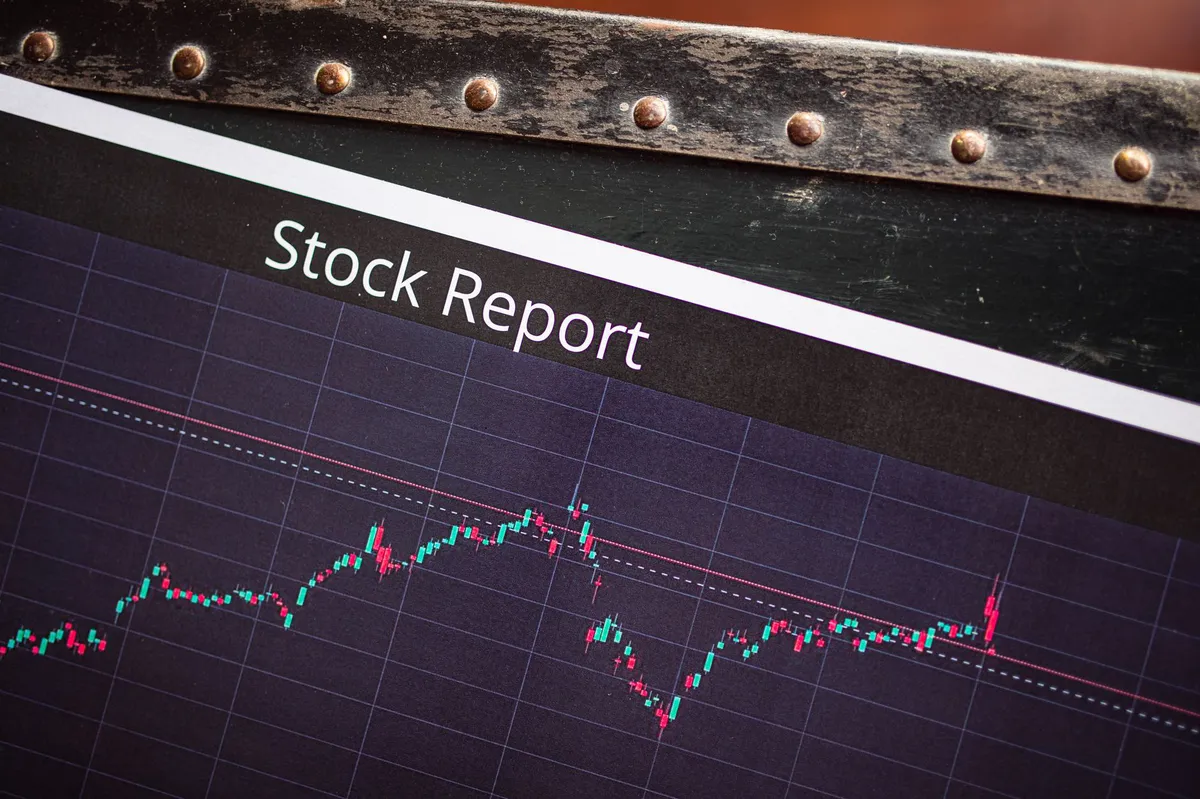
The ETF is currently showing signs of “distribution,” a term used to describe a situation where large investors are gradually selling their holdings rather than exiting all at once. This distribution phase often indicates a lack of confidence in the asset's future performance, as evidenced by the moving averages and price trends.
Key Metrics to Note
- Market Cap: $490 million
- Trailing Earnings Ratio: 19x
- Dividend Yield: 0.8%
While these metrics may not be alarming in isolation, they reflect a broader trend of diminishing returns in a once-booming sector. As IDGT's reliance on high-capital expenditures becomes increasingly apparent, its attractiveness to income-focused investors diminishes.

Strategies for Investors
Given the current landscape, what can investors do to protect their portfolios? While liquidity in IDGT ETFs is limited and there isn't a direct inverse ETF available, there are alternative strategies that investors can explore. One approach is to utilize inverse ETFs like the Short QQQ -1X ETF (PSQ) to hedge against potential losses in IDGT.
This strategy takes advantage of the correlation between IDGT and the broader market, particularly the Nasdaq-100 Index, which includes many tech stocks. If IDGT underperforms relative to the Nasdaq-100, owning both IDGT and PSQ may create an arbitrage opportunity. In a market characterized by volatility, being equipped with various investment tools can enhance your ability to navigate shifting tides.
Considerations for Future Investments
As investors contemplate their next steps, it's essential to keep an eye on emerging trends within the tech sector. The recent warning signs from major corporations should prompt a reevaluation of investment strategies. The demand for data centers may not disappear entirely, but the pace of growth appears to be stabilizing. Understanding which companies are best positioned to adapt to these changes can help investors make informed decisions moving forward.
Key Takeaways
- The iShares U.S. Digital Infrastructure ETF (IDGT) has seen waning investor interest amid caution from tech giants.
- IDGT primarily invests in data center REITs and telecom companies, benefiting from past AI-related capital expenditures.
- Current market indicators suggest a distribution phase, signaling potential challenges for IDGT's future performance.
- Investors can consider hedging strategies using inverse ETFs to mitigate risk.
- Staying informed about emerging trends is crucial for making sound investment decisions in a volatile market.
Frequently Asked Questions
What factors are causing the decline in interest in data center investments?
The decline in interest can be attributed to several factors, including budget constraints in corporate America, as highlighted by major companies like IBM. As businesses reassess their capital expenditures, the once-robust demand for data centers is showing signs of stagnation. Additionally, cautious guidance from tech firms such as Broadcom has contributed to a shift in investor sentiment, prompting many to sell off their positions in ETFs like IDGT.
How can investors hedge against potential losses in IDGT?
Investors looking to hedge against losses in IDGT can consider using inverse ETFs such as the Short QQQ -1X ETF (PSQ). This strategy allows investors to capitalize on the correlation between IDGT and the broader market, particularly the Nasdaq-100 Index. By holding both IDGT and PSQ, investors may create arbitrage opportunities if IDGT underperforms relative to the Nasdaq-100.
What are the long-term prospects for data centers amid evolving technology?
While the immediate outlook for data centers may appear uncertain, the long-term prospects will depend on various factors, including technological advancements and shifts in demand. As AI and other technologies continue to evolve, the infrastructure supporting them will likely remain critical. However, investors should be cautious and remain vigilant about market trends that could impact the growth trajectory of data centers.
Should I invest in IDGT now?
Investing in IDGT at this juncture requires careful consideration of the current market climate and individual financial goals. The ETF has shown signs of distribution, which may indicate a decline in investor confidence. Before making any investment decisions, it's advisable to conduct thorough research, assess your risk tolerance, and consider seeking guidance from a financial advisor to determine if IDGT aligns with your investment strategy.
This content is educational, not financial advice.
Comments
UPS Invests $48 Million in Temperature-Controlled Logistics to Boost Profitability
United Parcel Service (UPS) is making a significant investment in its temperature-controlled logistics operations, focusing on high-margin sectors like pharmaceuticals. This strategic shift aims to modernize the company and improve profitability amid a changing market landscape.

Related articles

Popular in Investing
- Navigating the Dismal Landscape of 2026's Worst-Performing ETFs
- Stablecoin Market Faces $10 Billion Decline — What It Means for Investors
- Cotton Futures Surge Despite Increased Production Forecasts
- Avantus Secures $525 Million for Major California Solar Project
- Navigating the Pet Stocks Market: Opportunities Amidst Challenges