Leslie's Pool Supply Faces Chapter 11 Amid Store Closures and Financial Struggles
Leslie's Pool Supply, a 63-year-old retailer, is grappling with significant financial challenges that could lead to a Chapter 11 bankruptcy filing. Following the closure of 80 stores, the company is restructuring to cope with declining demand for luxury pool-related products amidst a tough economic landscape.
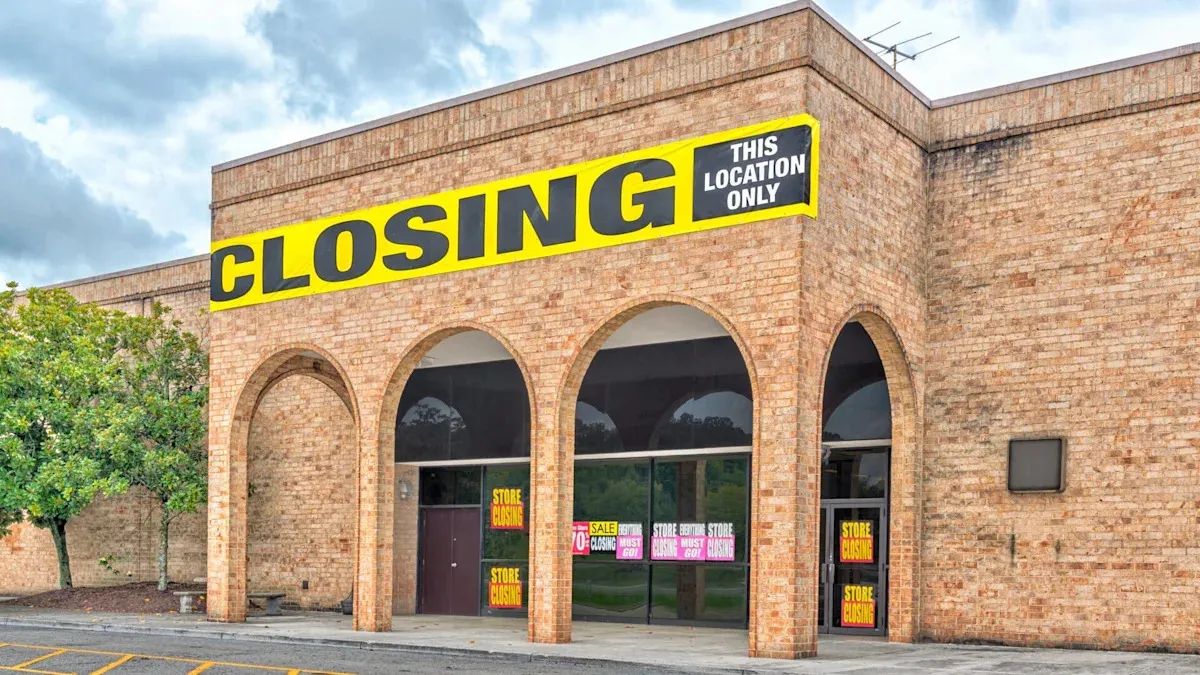
The retail landscape is ever-evolving, and for Leslie's Pool Supply, a 63-year-old chain specializing in pool supplies, the tide has turned ominously. After closing 80 stores in March 2026, the company now faces the daunting prospect of a Chapter 11 bankruptcy filing. This stark turn of events underscores the broader challenges facing retailers in the luxury market as consumers tighten their belts amid economic uncertainty.
The recent Saks Global Luxury Pulse survey reveals that luxury shoppers' confidence has waned significantly, with only 28% expressing optimism about the economy — a steep drop from previous surveys. This decline in consumer sentiment is particularly detrimental for retailers like Leslie's, which rely heavily on discretionary spending.
The Impact of Economic Uncertainty on Luxury Retail
As the economy exhibits signs of volatility, retailers serving the luxury market, including Leslie's, are feeling the pinch. The decline in consumer confidence often leads to reduced spending on non-essential items, which includes luxury goods like swimming pools and related accessories.
Understanding the Luxury Market Dynamics
For context, luxury goods are often seen as a barometer of consumer wealth and sentiment. When economic conditions are favorable, consumers are more likely to spend on high-ticket items. However, as financial markets fluctuate and global uncertainties mount, spending in this sector typically contracts.
Notably, Leslie's Pool Supply has not only closed stores but has also made significant operational changes, including:
- **Consolidation**: Closure of approximately 80 underperforming stores.
- **Operational Restructuring**: Streamlining operations to improve efficiency and reduce costs.
- **Digital Transition**: Increasing focus on online sales to adapt to changing consumer behaviors.

Financial Performance Under Scrutiny
Despite Leslie's taking these measures, its financial performance remains concerning. In its second-quarter earnings report, the company announced a net loss of $52.5 million, a slight increase from the previous year. The company's overall revenue growth of 4.3% and an impressive comparable sales increase of 6.6% were overshadowed by significant losses and operational challenges.
Examining the Revenue and Losses
Leslie's reported a net loss of about $83 million in Q1 fiscal 2026, reflecting a staggering 16% decline in year-over-year sales. The company has faced margin pressures, which have further exacerbated its financial woes. Their attempts to shift sales to a digital model post-store closures have not yet yielded the desired results. The financial instability is compounded by:
- **Non-Cash Impairment Charges**: Approximately $10.1 million related to store and asset closures.
- **Debt Load**: Leslie's is grappling with a $756 million term loan that is currently quoted at around 39 cents on the dollar.

Potential Chapter 11 Filing: What It Means
With discussions of a possible Chapter 11 bankruptcy filing underway, Leslie's is exploring various strategic options to address its mounting debt. This type of bankruptcy allows companies to reorganize their debts while continuing operations, but it also raises concerns about the retailer's future viability.
Stakeholder Implications
If Leslie's moves forward with Chapter 11, it could impact various stakeholders:
- **Employees**: Job security may be jeopardized as the company restructures.
- **Investors**: Shareholder confidence has already waned, especially after being removed from the S&P SmallCap 600 index.
- **Consumers**: Customers may experience changes in product availability and service levels.

Market Reactions and Future Outlook
Leslie's financial struggles have not gone unnoticed in the investment community. S&P Global Ratings recently downgraded the company's issuer credit rating from 'B' to 'B-' due to weaker-than-expected business prospects. Such downgrades can further erode investor confidence and complicate financing options for the company.
The Path Ahead
As Leslie's navigates these turbulent waters, it has engaged financial advisors, including Centerview Partners LLC and Simpson Thacher & Bartlett, to assist with debt negotiations. The road ahead is fraught with challenges, but the company aims to stabilize its operations and return to profitability.
Key Takeaways
- Leslie's Pool Supply is facing potential Chapter 11 bankruptcy after closing 80 stores.
- Consumer confidence in the luxury market is declining, affecting sales.
- The company has reported significant financial losses, with a focus on restructuring and digital sales.
- Debt management strategies are critical as Leslie's seeks to address its financial challenges.
Frequently Asked Questions
What is Chapter 11 bankruptcy?
Chapter 11 bankruptcy is a legal process that allows companies to reorganize their debts while continuing operations. It provides a framework for companies to negotiate with creditors, restructure their obligations, and hopefully emerge in a more financially stable position. This type of bankruptcy is often utilized by businesses that believe they can return to profitability if given time to reorganize.
How does a company's credit rating affect its operations?
A company's credit rating is crucial as it influences its ability to borrow money at favorable terms. A downgrade in credit rating signals to investors and creditors that the company may be facing financial difficulties, which can lead to higher borrowing costs and reduced access to capital. For Leslie's, the recent downgrade by S&P Global Ratings reflects its weakened business prospects and may hinder its efforts to restructure effectively.
What are the implications of store closures for consumers?
Store closures can lead to reduced access to products and services for consumers. For Leslie's Pool Supply, the closure of 80 stores may limit customers' options for purchasing pool supplies and related services. Additionally, store closures can impact local economies and employment, as fewer retail locations mean fewer jobs and decreased economic activity in those areas.
What should investors consider in light of Leslie's financial situation?
Investors should closely monitor Leslie's financial disclosures and any updates regarding its potential Chapter 11 filing. Understanding the company's restructuring plan and its impact on future operations is essential for evaluating investment risks. Moreover, considering the broader market context and consumer sentiment in the luxury sector will help investors gauge the potential for recovery.
*This content is educational and not financial advice.*
Comments
UPS Invests $48 Million in Temperature-Controlled Logistics to Boost Profitability
United Parcel Service (UPS) is making a significant investment in its temperature-controlled logistics operations, focusing on high-margin sectors like pharmaceuticals. This strategic shift aims to modernize the company and improve profitability amid a changing market landscape.

Related articles


Popular in Investing
- Navigating the Dismal Landscape of 2026's Worst-Performing ETFs
- Stablecoin Market Faces $10 Billion Decline — What It Means for Investors
- Cotton Futures Surge Despite Increased Production Forecasts
- Avantus Secures $525 Million for Major California Solar Project
- Navigating the Pet Stocks Market: Opportunities Amidst Challenges