Bitcoin and Ethereum Prices: Market Insights and Tax Implications
As Bitcoin and Ethereum prices fluctuate amid geopolitical tensions and Federal Reserve decisions, understanding the market dynamics and tax implications is crucial for investors.

The world of cryptocurrency is as volatile as ever, with Bitcoin and Ethereum prices making headlines daily. As of July 29, 2026, Bitcoin opened at $63,853.49, slightly up from the previous day, while Ethereum began trading at $1,919.73. Investors are particularly attentive to the Federal Reserve's upcoming decisions, which could significantly influence crypto prices. Amidst geopolitical tensions, such as renewed airstrikes in the Middle East, the volatility of these digital assets is compounded by macroeconomic factors that can sway market sentiment.
Understanding how these price movements affect your investments is essential, especially when considering the tax implications associated with buying, selling, and trading cryptocurrencies. As digital currencies gain traction among investors, it becomes increasingly important to navigate the complexities of the market while staying informed about your financial responsibilities.

Current Market Trends for Bitcoin and Ethereum
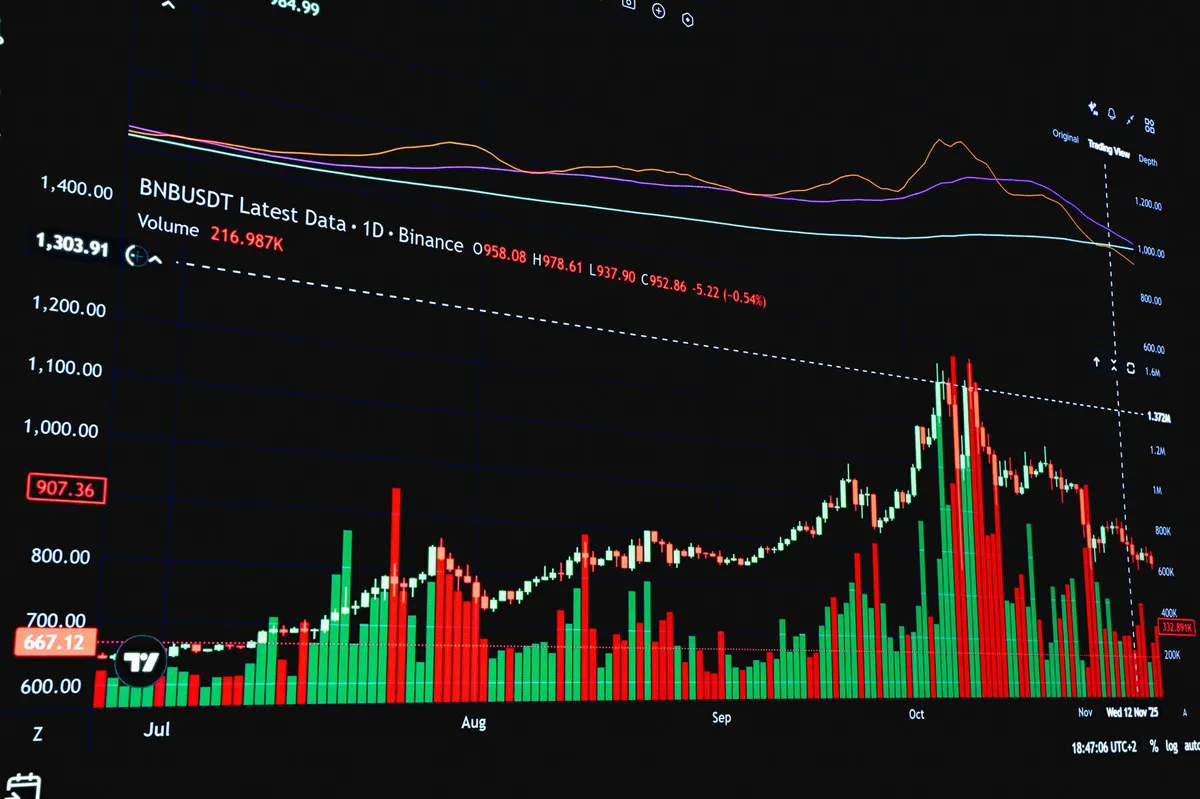
Bitcoin's price trajectory has been a rollercoaster, reflecting broader market conditions. Currently, it is trading at $64,244.18, following a modest increase from the previous day. To put this in context, here’s a snapshot of Bitcoin's performance over various time frames:
- One week ago: -4%
- One month ago: +7.3%
- One year ago: -45.9%
Bitcoin's all-time high was an impressive $126,198.07, reached on October 6, 2025, while its all-time low was just $0.04865 back in July 2010. Such staggering figures highlight the potential for both significant gains and losses in the cryptocurrency market.
The Ethereum Landscape
Ethereum, often viewed as a complementary asset to Bitcoin, opened at $1,919.73 but saw a slight decline to $1,904.82 by mid-morning. Here’s how Ethereum has performed recently:
- One week ago: -0.4%
- One month ago: +22.3%
- One year ago: -49.3%
Like Bitcoin, Ethereum's price history is marked by extreme volatility, with its all-time high at $4,953.73 on August 24, 2025, and a low of $0.4209 on October 21, 2015. This disparity exemplifies the unpredictable nature of cryptocurrencies and the importance of staying informed about market shifts.
Understanding Market Influences
Several factors can impact the prices of Bitcoin and Ethereum, particularly decisions made by the Federal Reserve. The Fed's stance on interest rates is crucial for investors as it influences liquidity in the market. Sean Farrell, head of digital assets at Fundstrat, emphasizes that the Fed's communication regarding financial conditions and inflation holds more weight than the actual policy decisions. Investors are currently anticipating a 'hawkish hold' from the Fed, which indicates a potential stance of caution on rate changes amid inflation concerns.
Geopolitical events, such as conflicts in the Middle East, can also trigger market reactions. For instance, an escalation in tensions often leads to increased uncertainty in traditional markets, prompting investors to seek refuge in cryptocurrencies. This behavior further demonstrates how external factors can lead to abrupt price fluctuations.
Tax Implications for Crypto Investors
One of the critical aspects of cryptocurrency investing that often goes overlooked is the taxation of gains. The IRS treats cryptocurrency as property, meaning that transactions involving cryptocurrencies can trigger tax liabilities. Here's what you need to know:
- **Selling Cryptocurrency:** If you sell your crypto for more than you paid, you owe taxes on the gains.
- **Exchanging Assets:** Even converting Bitcoin to Ethereum is considered a taxable event if there is a change in value.
- **Reporting Timeframe:** Taxes are reported on your tax return for the year in which the transaction occurred, not at the time of the transaction.
The amount of tax you pay depends on how long you held the asset before selling it and your overall taxable income. If you hold an asset for less than a year, you generally face higher short-term capital gains rates, which can be significantly higher than long-term rates. This distinction is critical; a few days can mean a tax rate difference of 17% or more, making timing an essential factor in your investment strategy.

Strategies for Navigating the Crypto Landscape
For both new and seasoned investors, navigating the complexities of cryptocurrency can be daunting. Here are strategies to consider:
- **Stay Informed:** Regularly monitor market trends and geopolitical events that could impact cryptocurrency prices.
- **Understand Tax Obligations:** Familiarize yourself with tax regulations regarding crypto transactions to avoid surprises during tax season.
- **Diversify Investments:** Consider diversifying your portfolio by including both Bitcoin and Ethereum, as well as other cryptocurrencies, to mitigate risk.
- **Utilize Tools and Resources:** Leverage platforms that provide real-time data and tax reporting tools to streamline your investment process.
Investing in cryptocurrencies requires a balanced approach of vigilance and education. The digital asset landscape is evolving rapidly, and keeping abreast of changes can significantly impact your investment outcomes.
Key Takeaways
- Bitcoin and Ethereum prices are highly volatile and influenced by macroeconomic factors and geopolitical events.
- Tax obligations arise from selling or exchanging cryptocurrencies, and understanding these can save you from unexpected tax bills.
- Timing your asset sales can significantly affect your tax rates, making it essential to have a strategy in place.
- Staying informed about market trends and utilizing available resources can enhance your investment experience.
Frequently Asked Questions
What are the main factors influencing Bitcoin and Ethereum prices?
The prices of Bitcoin and Ethereum are influenced by a combination of market sentiment, macroeconomic indicators, and geopolitical events. Factors such as interest rate decisions by the Federal Reserve can lead to shifts in investor confidence, while external crises may cause investors to flock to cryptocurrencies as a safe haven.
How are cryptocurrency taxes calculated?
Cryptocurrency taxes are calculated based on capital gains, which are determined by the difference between the purchase price and the selling price of the asset. If you hold an asset for less than a year, you're subject to higher short-term capital gains tax rates, while assets held longer are taxed at lower long-term rates. It's crucial to track your transactions accurately for tax reporting.
Can I avoid taxes on cryptocurrency transactions?
While you cannot entirely avoid taxes on cryptocurrency transactions, you can minimize your tax liability through careful planning. Holding assets for over a year can reduce your capital gains tax rate, and utilizing tax-loss harvesting strategies can offset gains with losses. Always consult with a tax professional for personalized advice.
What resources can help me stay informed about cryptocurrency markets?
Numerous resources are available for staying updated on cryptocurrency markets, including financial news websites, dedicated crypto news platforms, and financial analytics tools. Utilizing these resources can help you make informed investment decisions and stay ahead of market trends.
Disclaimer: The content is educational and not financial advice.
Comments
Alternative Investments: Expanding Access with Smart Guardrails
As the debate on alternative investments for retirement accounts heats up, it's crucial to establish structured access that provides everyday investors with opportunities to diversify their portfolios. Learn how guardrails, rather than bans, can make these assets accessible for all.

Related articles







Popular in Investing
- Navigating the Dismal Landscape of 2026's Worst-Performing ETFs
- Stablecoin Market Faces $10 Billion Decline — What It Means for Investors
- Avantus Secures $525 Million for Major California Solar Project
- Navigating the Pet Stocks Market: Opportunities Amidst Challenges
- Market Turmoil: How Geopolitical Tensions and Earnings Reports Impact Stocks