Market Turmoil: Dow Drops Over 1,100 Points Amid Oil Price Surge
The stock market faces significant turbulence as geopolitical tensions escalate and oil prices soar. This article explores the implications of these developments on investors and the broader economy.
On a day marked by significant volatility, the stock market experienced a sharp downturn, with the Dow Jones Industrial Average plummeting more than 1,100 points. This plunge, representing a 2.2% decline, is emblematic of the market's response to rising oil prices and ongoing geopolitical tensions, particularly the renewed conflict between the U.S. and Iran. Investors are grappling with uncertainties that are compounded by the Federal Reserve's recent decision to maintain interest rates amid concerns over inflation and energy shocks.
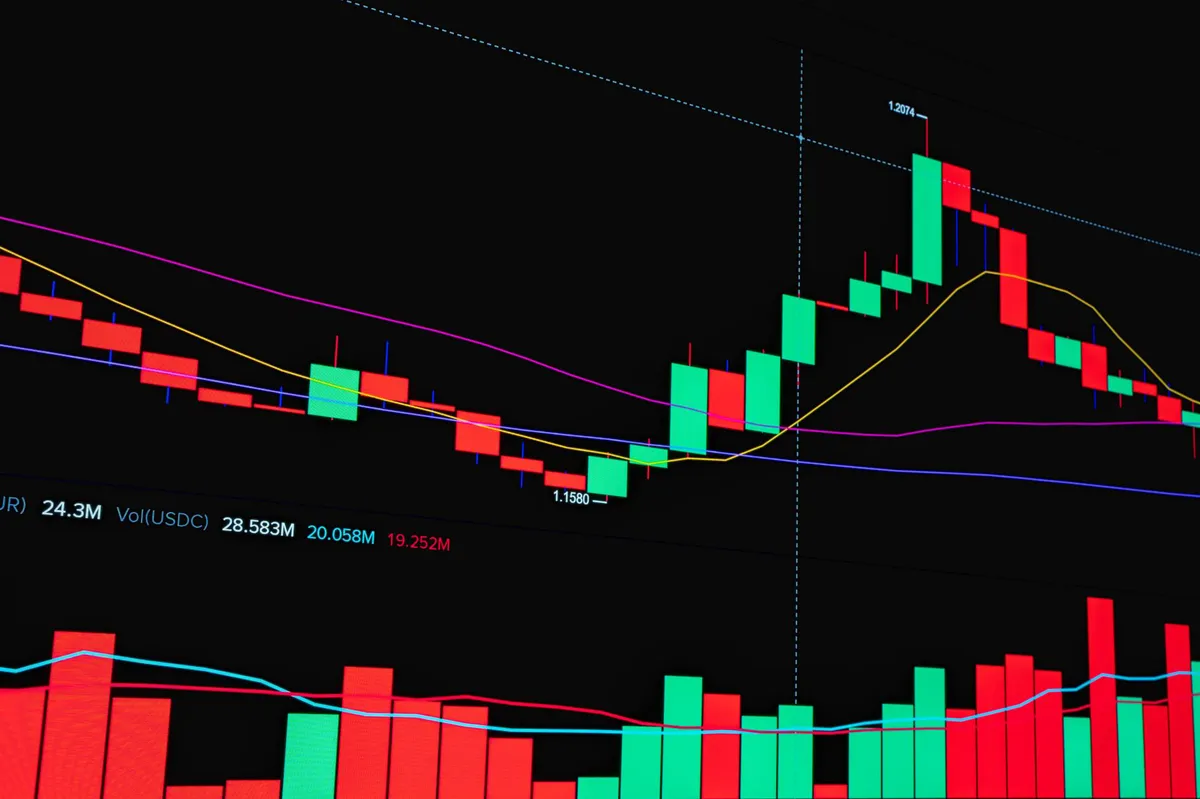
As oil prices surged, with West Texas Intermediate crude hitting $84.94 per barrel—a 7.2% increase—traders faced heightened anxiety reflected in the Cboe Volatility Index (VIX), often referred to as the market's 'fear gauge.' This index spiked from 18.21 to a peak of 20.34, closing at 20.05, indicating an uptick in market volatility that can unsettle even the most seasoned investors.
Understanding the Current Market Dynamics
The stock market's current predicament is multifaceted, with geopolitical events and monetary policy playing significant roles. The Federal Reserve's recent meeting was a focal point for investors, concluding with a decision to keep the federal funds rate unchanged for the fifth consecutive time, maintaining a target range of 3.50% to 3.75%. While this aligns with market expectations, it raises eyebrows due to dissent from three voting members who advocated for a 25-basis-point increase. Their concerns stem from rising inflation and the economic ramifications of ongoing conflicts, particularly in the Middle East.
The Impact of Geopolitical Tensions
The catalyst for the latest market downturn can be traced back to the escalating tensions between the U.S. and Iran. Recent attacks on U.S. military bases in the region have intensified fears of broader conflict, which in turn disrupts oil supply routes through critical chokepoints like the Strait of Hormuz. This area is pivotal for global oil transportation, and any disruptions can lead to dramatic price increases, as seen in this week's surge in oil prices.
Sector-Specific Reactions
While the entire market suffered, certain sectors faced more pronounced effects. Notably, technology stocks took a hit despite robust earnings reports from some companies. For instance, South Korea's SK Hynix reported staggering growth in revenue and earnings—257% and 1,242%, respectively—but still saw its stock drop 9.6% due to high expectations that were not met. This disappointment rippled through the semiconductor sector, affecting major companies like Nvidia and AMD, which saw their shares decline by 3.6% and 5.5%, respectively.
- **Dow Jones Industrial Average**: -2.2% to 51,594
- **S&P 500**: -1.5% to 7,316
- **Nasdaq Composite**: -1.7% to 24,442

The Federal Reserve's Balancing Act
Fed Chair Kevin Warsh, during the press conference following the FOMC meeting, reiterated that the central bank is closely monitoring inflationary trends while also acknowledging that the economy is absorbing shocks relatively well. However, the rising market-based rates present a complex landscape. The 2-year Treasury yield, which has risen approximately 90 basis points since February, now sits outside the federal funds target range, signaling a potential disconnect between market expectations and the Fed's policy stance.
What This Means for Investors
For investors, this tumultuous environment necessitates a careful approach. Understanding the interplay between geopolitical events and economic indicators is crucial. The Federal Reserve's decisions, particularly in times of uncertainty, can have far-reaching implications for asset prices and investment strategies. As inflationary pressures mount, investors should consider the following:
- **Diversification**: Spread investments across various sectors to mitigate risks.
- **Stay Informed**: Keep an eye on geopolitical developments, particularly in oil-rich regions.
- **Monitor Fed Actions**: Understand how changes in monetary policy could impact interest rates and stock valuations.
Looking Ahead: Economic Signals and Trends
The current market turmoil presents both challenges and opportunities. While the immediate outlook is clouded by geopolitical concerns, the underlying economic fundamentals remain strong. Analysts predict that despite the recent volatility, consumer spending and economic activity are expected to continue expanding, albeit at a slower pace. The upcoming earnings reports from major companies, including Caterpillar and tech giants, will be critical in shaping market sentiment moving forward.
Caterpillar's Predicament
Caterpillar, a key player in the industrial sector, is facing headwinds as analysts downgrade their outlook due to rising regulatory concerns over AI data centers. The recent moratorium on data center construction in New York is indicative of a broader trend that could affect future investments. Investors should be cautious as they await Caterpillar's second-quarter earnings report, which is anticipated to reveal a 31.4% year-over-year increase in earnings per share.
Key Takeaways
- **Dow Jones dropped** 1,153 points amid geopolitical tensions and rising oil prices.
- **Federal Reserve** maintained interest rates, with dissent from some members advocating for increases.
- **Technology stocks** faced declines despite strong earnings reports.
- **Investors should** diversify their portfolios and stay informed about economic and geopolitical developments.
- **Caterpillar** faces challenges due to regulatory scrutiny impacting future growth.
Frequently Asked Questions
Why did the stock market drop so significantly?
The stock market's significant drop can be attributed to rising oil prices driven by escalating geopolitical tensions, particularly the renewed conflict in the Middle East. These factors create uncertainty, leading investors to sell off shares, which in turn drives prices down.
How do rising oil prices affect the economy and investors?
Rising oil prices can lead to higher transportation and production costs, which can ultimately result in inflation. For investors, this can mean lower profit margins for companies, especially those reliant on oil. Consequently, sectors that are sensitive to oil prices, such as transportation and manufacturing, may see declines in stock values.
What should investors do in this volatile market environment?
In a volatile market, investors should focus on diversification to spread risk across different sectors and asset classes. It's also vital to stay informed about economic indicators and geopolitical developments, as these factors directly influence market conditions. Maintaining a long-term investment perspective can also help navigate short-term fluctuations.
What are the implications of the Federal Reserve's interest rate decisions?
The Federal Reserve's interest rate decisions are critical because they influence borrowing costs for consumers and businesses. When rates are held steady, it can stimulate spending and economic growth, while increases can slow economic activity. Investors need to monitor these changes closely, as they can affect everything from mortgage rates to stock valuations.
Disclaimer: The content is educational, not financial advice.
Comments
Meta's Earnings Call: A Missed Opportunity and Market Reaction
Meta's recent earnings call revealed concerns over future capital expenditure plans, leading to a significant drop in stock prices. This article explores the implications of their financial performance and market expectations.

Related articles







Popular in Investing
- Navigating the Dismal Landscape of 2026's Worst-Performing ETFs
- Stablecoin Market Faces $10 Billion Decline — What It Means for Investors
- Avantus Secures $525 Million for Major California Solar Project
- Navigating the Pet Stocks Market: Opportunities Amidst Challenges
- Market Turmoil: How Geopolitical Tensions and Earnings Reports Impact Stocks