The Rise of Bloom Energy: A New Contender in the AI Power Space
While Nvidia has long been the face of AI, Bloom Energy is emerging as a powerful player in the AI infrastructure sector, reporting staggering growth metrics that suggest a shift in investment focus. This article explores Bloom's impressive performance, market dynamics, and potential future trajectory.

The artificial intelligence (AI) sector has captured the attention of investors and tech enthusiasts alike, with companies like Nvidia often being hailed as the undisputed leaders in this rapidly evolving space. However, a lesser-known player, Bloom Energy, is making waves in the AI power infrastructure market, showcasing growth metrics that challenge conventional wisdom about which companies are truly benefiting from the AI boom. As AI technologies proliferate and data centers proliferate, the demand for reliable energy sources is becoming increasingly critical. This article delves into Bloom Energy's recent performance, its role in the AI ecosystem, and what investors need to know about this emerging stock.
Bloom Energy's Impressive Growth Metrics
On July 28, 2026, Bloom Energy reported its second-quarter earnings, which not only exceeded Wall Street expectations but also highlighted the company's remarkable growth trajectory. The company posted a staggering 166% year-over-year revenue growth, reaching a record $1.07 billion. In comparison, Nvidia, a titan in the AI chip market, reported an 85% revenue growth to $81.6 billion during the same quarter. This stark contrast underscores Bloom's rapid expansion in a niche that is becoming increasingly vital for AI operations.
Bloom's product sales soared even higher, climbing 215.4% to $935.4 million, driven by heightened demand from AI data-center operators seeking efficient onsite electricity solutions. The company's adjusted earnings per share (EPS) surged to 78 cents, nearly double the analysts' estimates of 41 cents. Furthermore, Bloom's non-GAAP gross margin expanded significantly, highlighting the company's operational efficiency as it capitalizes on the booming demand for AI.

Understanding Bloom Energy's Role in the AI Ecosystem
Unlike traditional AI companies that focus on chip design or software development, Bloom Energy specializes in energy infrastructure. The company develops fuel-cell systems capable of converting natural gas, biogas, or hydrogen into electricity on-site, thereby enabling data centers to secure reliable power without the lengthy wait times associated with new grid connections. This capability addresses a critical bottleneck in AI deployment: the need for fast and reliable energy sources.
The Importance of Energy in AI
As AI technologies continue to advance, so do their energy requirements. The U.S. Department of Energy estimates that data centers consumed 4.4% of the country's electricity in 2023, a figure projected to rise to between 6.7% and 12% by 2028. This exponential growth in energy consumption signifies a major opportunity for companies like Bloom Energy, which can provide the necessary infrastructure to support this growing demand.
Market Dynamics: Competition and Challenges
Despite Bloom Energy's impressive growth, it faces fierce competition in the energy infrastructure space. Nvidia, with its established market presence and substantial financial resources, presents a formidable challenge. Although Bloom has outperformed Nvidia in percentage growth, it is crucial to note that Nvidia's quarterly sales are approximately 77 times greater than Bloom's, with a market capitalization that dwarfs Bloom's.
Bloom's stock has demonstrated volatility, recently dropping 23% in one week and 31% in one month. This decline reflects profit-taking and valuation adjustments rather than a fundamental weakening of the business. In contrast, Nvidia's stock has seen a modest increase of 5.24% year-to-date, despite facing concerns related to circular AI financing and increased competition from China.
Future Outlook: Bloom Energy's Strategic Positioning
Looking ahead, Bloom Energy's management remains optimistic about the company's prospects. CEO KR Sridhar emphasized that the recent surge in orders is not merely a temporary phenomenon; rather, it reflects a shift in how major U.S. hyperscalers and AI labs are approaching their energy needs. The company has successfully secured long-term agreements that ensure revenue continuity and growth.
Potential Energy Solutions for AI
As the demand for energy grows, multiple sources could emerge as viable solutions for powering AI data centers. Some of these include:
- Nuclear power: Provides reliable, low-emission energy ideal for continuous operation.
- Solar power: Offers cost-effective electricity, though energy storage solutions are necessary for uninterrupted service.
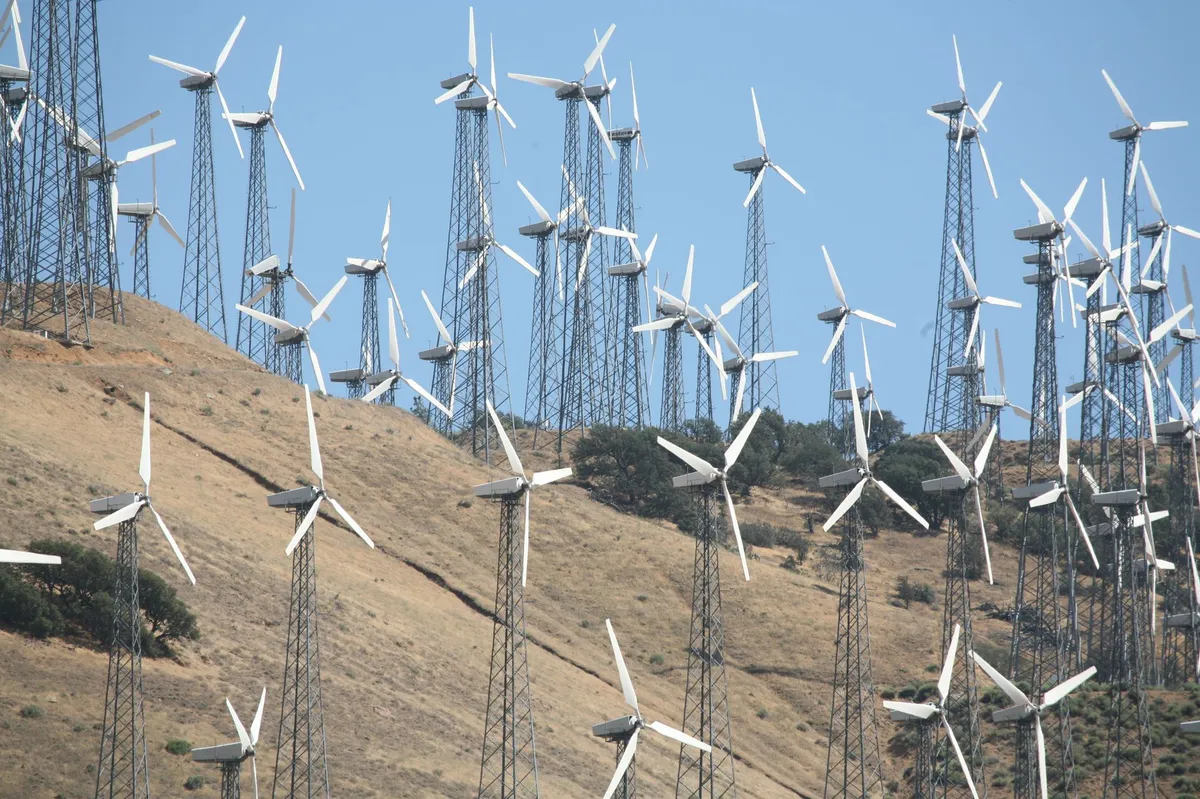
- Wind power: Can generate substantial renewable energy when combined with effective storage and transmission infrastructure.
- Geothermal energy: Supplies constant, low-carbon energy without the intermittency issues of solar and wind.
- Space-based energy: Future orbital data centers could harness near-constant solar energy, sidestepping terrestrial land and cooling limitations.
Key Takeaways
- Bloom Energy reported a stunning 166% revenue growth in Q2 2026, significantly outpacing Nvidia's 85%.
- The company's fuel-cell systems provide reliable onsite power, crucial for supporting the energy demands of AI.
- Bloom has secured long-term agreements with major clients, positioning it well for sustained growth.
- Despite recent stock volatility, Bloom Energy remains a key player in the AI infrastructure market.
- Investors should consider the broader market dynamics and competition when evaluating Bloom's long-term prospects.

Frequently Asked Questions
How does Bloom Energy's technology work?
Bloom Energy specializes in developing fuel-cell systems that convert various gases, such as natural gas and hydrogen, into electricity. These systems are designed for onsite deployment, allowing data centers to access reliable power quickly, without waiting for new grid connections. This capability is increasingly crucial as data center energy demands grow in tandem with AI advancements.
What are the risks associated with investing in Bloom Energy?
Investing in Bloom Energy carries several risks, including market volatility and competition from established players like Nvidia. Additionally, the company trades at a high valuation relative to its earnings, which may lead to price corrections. Investors should also monitor broader economic factors and energy market trends that could impact Bloom's growth potential.
How does Bloom Energy compare to traditional energy companies?
Bloom Energy differentiates itself from traditional energy companies by focusing on innovative fuel-cell technology rather than fossil fuels or large-scale renewable projects. Its modular systems allow for rapid deployment and scalability, making them particularly suited for the fast-paced demands of AI data centers, while traditional energy companies may be slower to adapt to these needs.
What is the future outlook for the AI infrastructure market?
The AI infrastructure market is expected to continue growing as AI technologies become more integrated into various industries. With increasing energy demands from data centers, companies like Bloom Energy that provide efficient and reliable power solutions are well-positioned to benefit from this trend. As AI advancements drive up energy consumption, the need for innovative energy solutions will likely intensify.
This content is educational, not financial advice.
Comments
Meta's Earnings Call: A Missed Opportunity and Market Reaction
Meta's recent earnings call revealed concerns over future capital expenditure plans, leading to a significant drop in stock prices. This article explores the implications of their financial performance and market expectations.

Related articles







Popular in Investing
- Navigating the Dismal Landscape of 2026's Worst-Performing ETFs
- Stablecoin Market Faces $10 Billion Decline — What It Means for Investors
- Avantus Secures $525 Million for Major California Solar Project
- Navigating the Pet Stocks Market: Opportunities Amidst Challenges
- Market Turmoil: How Geopolitical Tensions and Earnings Reports Impact Stocks