Geopolitical Turmoil and Its Inflationary Impact on the U.S. Economy
The ongoing conflict in the Middle East, particularly concerning Iran, poses significant inflationary risks for the U.S. economy. As commodity prices soar and oil supplies dwindle, the Federal Reserve faces tough decisions on interest rates.
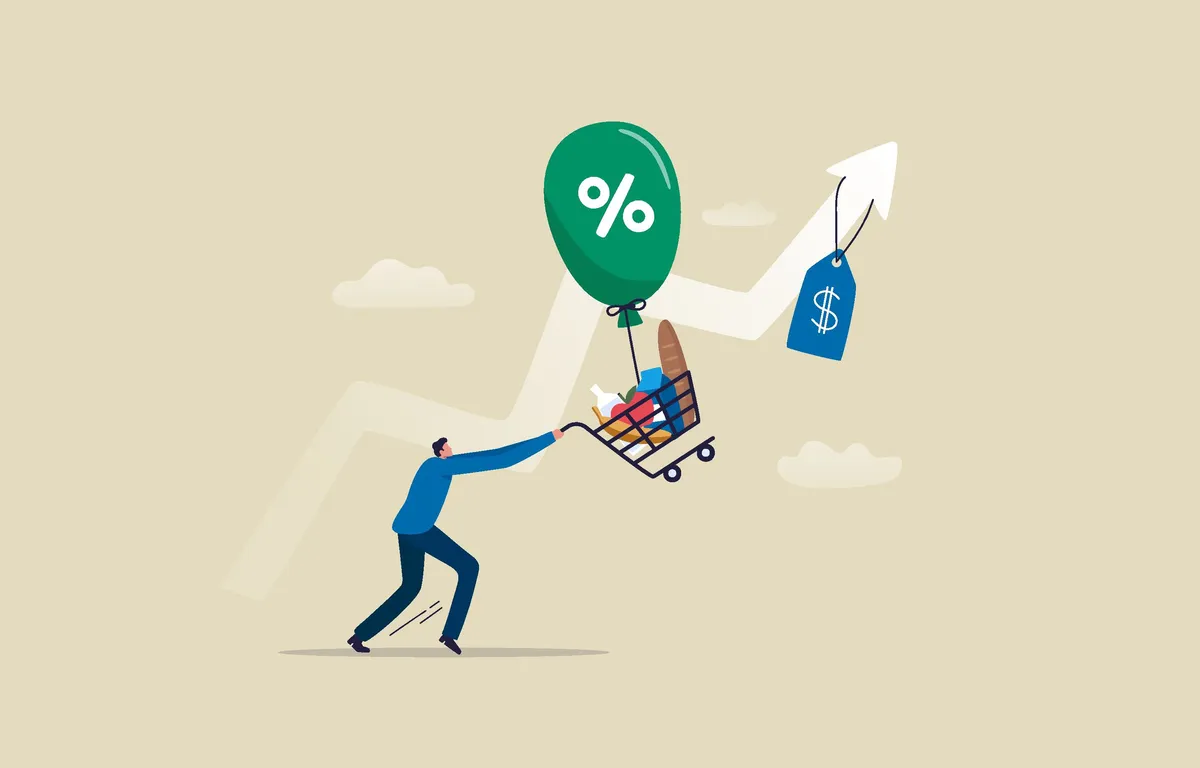
The geopolitical landscape is dynamic, and few situations exemplify this more than the ongoing conflict involving Iran. As tensions escalate, particularly concerning control over the vital Strait of Hormuz and oil shipments, American consumers are feeling the ripple effects in their wallets. Prices for essential commodities are climbing, and the Federal Reserve is caught in a web of complexities regarding interest rates as inflation threatens to spiral out of control.
This article delves into the implications of the Iran conflict on U.S. inflation, the Federal Reserve's possible responses, and what consumers and investors need to consider moving forward.
Understanding the Conflict: A Brief Overview
The current situation began escalating following a series of provocations between the United States and Iran. After a cease-fire was established in June, tensions reignited, primarily due to Iran's claims over the Strait of Hormuz, a crucial maritime chokepoint for global oil shipments. President Trump finds himself in a difficult position, needing to balance military action with diplomatic solutions. As oil exports from the Persian Gulf diminish, the implications for the U.S. economy grow more severe.
Why the Strait of Hormuz Matters
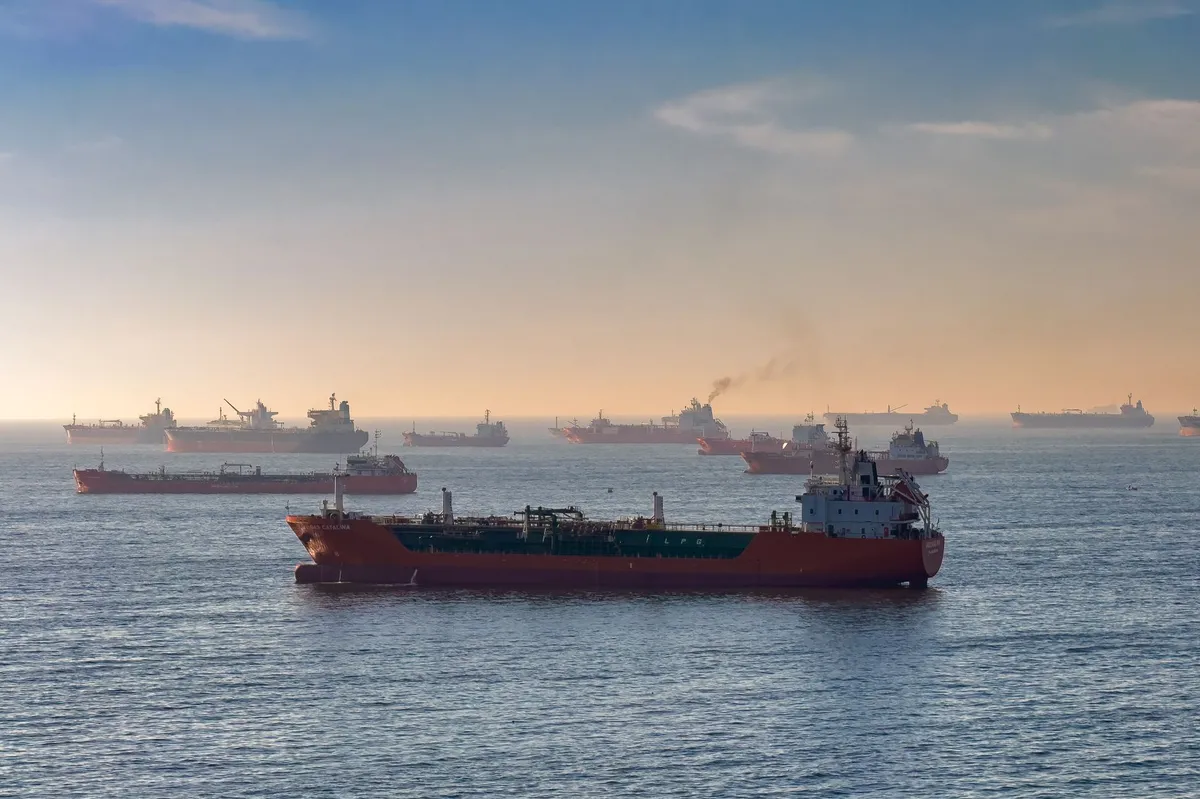
The Strait of Hormuz is a narrow passage where approximately 20% of the world’s oil supply is transported. Any disruption here can lead to significant price fluctuations in global oil markets. As Iran has begun to exert its influence over shipping routes, the risk of oil shortages in the U.S. is rising. This has led to increased gas prices, which have now climbed back above $4 per gallon on average.
Inflation: A Growing Concern
Inflation, defined as the rate at which the general level of prices for goods and services rises, is increasingly becoming a concern for American consumers. The conflict with Iran is contributing to this phenomenon in several ways:
- Rising Oil Prices: With tensions affecting oil supply, prices are surging. Higher oil prices lead to increased transportation costs, which are typically passed on to consumers.
- Increased Costs of Goods: As diesel fuel prices rise due to disrupted supply chains, the cost of transporting goods also increases, leading to higher prices at retail.
- Pressure on the Federal Reserve: The Fed is tasked with managing inflation, but its ability to do so is challenged by external geopolitical factors.
As consumers are already feeling the pinch at the pump, the broader implications for inflation could lead to a tightening of household budgets across the nation.
The Federal Reserve's Dilemma
The Federal Reserve, which sets the benchmark interest rates in the U.S., is in a precarious position. Rising inflation typically leads to higher interest rates to cool down spending and borrowing. However, the Fed must weigh the potential economic fallout from raising rates too quickly against the need to control inflation. In the face of geopolitical uncertainties, the Fed's decisions become even more complicated.
Potential Federal Reserve Actions
There are a few pathways the Fed might consider:
- Gradual Rate Increases: The Fed could opt for a slow and steady increase in interest rates, allowing for a measured response to inflation while monitoring the situation in Iran.
- Hold Rates Steady: If inflationary pressures are deemed temporary, the Fed may decide to hold rates steady, hoping the situation stabilizes without further escalation.
- Emergency Measures: In extreme scenarios, the Fed could implement emergency measures to stabilize the economy, which may include quantitative easing or intervention in bond markets.
Each of these options carries its own potential risks and rewards, and the Fed's ultimate choice will likely depend on how the situation in Iran evolves.

Consumer Impact: What to Expect
As the situation with Iran continues to unfold, consumers should prepare for a variety of economic impacts:
Rising Prices Across the Board
With oil prices on the rise, consumers can expect to see increased costs not only at the gas pump but also in everyday goods. As inflation accelerates, the purchasing power of the dollar may diminish, meaning that even basic necessities could become more expensive.
Long-Term Economic Outlook
The long-term impact of the Iran conflict on the U.S. economy is uncertain. Should hostilities continue, the potential for sustained inflation increases significantly. Consumers and investors alike should stay informed and consider potential strategies for hedging against inflation, such as investing in commodities or inflation-protected securities.

Key Takeaways
- The Iran conflict is exacerbating inflationary pressures on the U.S. economy.
- Gas prices have risen above $4 per gallon, impacting household budgets.
- The Federal Reserve faces a tough choice on interest rates amid geopolitical uncertainty.
- Consumers should prepare for potential increases in the costs of goods and services.
Frequently Asked Questions
How does the conflict with Iran specifically affect U.S. gas prices?
The conflict with Iran affects U.S. gas prices primarily through its impact on global oil supply. As tensions disrupt shipping routes in the Strait of Hormuz, oil exports decrease, leading to higher prices domestically. Since oil is a key commodity for transportation and manufacturing, price increases at the source eventually translate to higher consumer prices at the pump.
What actions can the Federal Reserve take to control inflation?
The Federal Reserve can control inflation through various monetary policy tools, primarily by adjusting interest rates. Raising rates can help to cool spending and borrowing, which can, in turn, slow inflation. However, the Fed must balance this with the potential economic repercussions of slowing growth, especially in times of geopolitical instability.
What should consumers do to prepare for rising prices?
Consumers should start budgeting for rising prices by tracking their spending and identifying areas where they can cut costs. Additionally, considering investments that traditionally perform well during inflationary periods, such as real estate or commodities, may also be prudent. Staying informed about economic trends can help consumers make better financial decisions.
Will the situation in Iran resolve soon?
Predicting the resolution of geopolitical conflicts is inherently uncertain. The situation in Iran is complex, involving multiple stakeholders with vested interests. While cease-fires and negotiations may occur, the potential for renewed conflict remains high, which means that the economic impacts, including inflation, could persist for the foreseeable future.
This content is educational, not financial advice.
Comments
Investment Outcomes: Gold, Bitcoin, and TRUMP Coin Since Inauguration Day
An examination of the investment performance of gold, Bitcoin, and TRUMP Coin since Inauguration Day reveals stark contrasts in returns. Understanding these dynamics can inform future investment strategies.

Related articles






Popular in Investing
- Navigating the Dismal Landscape of 2026's Worst-Performing ETFs
- Stablecoin Market Faces $10 Billion Decline — What It Means for Investors
- Avantus Secures $525 Million for Major California Solar Project
- Navigating the Pet Stocks Market: Opportunities Amidst Challenges
- Market Turmoil: How Geopolitical Tensions and Earnings Reports Impact Stocks