Navigating Investment Strategies During Midterm Elections
Midterm elections bring market volatility, but investors can prepare without overreacting. Here’s a comprehensive guide to aligning your portfolio with long-term goals.
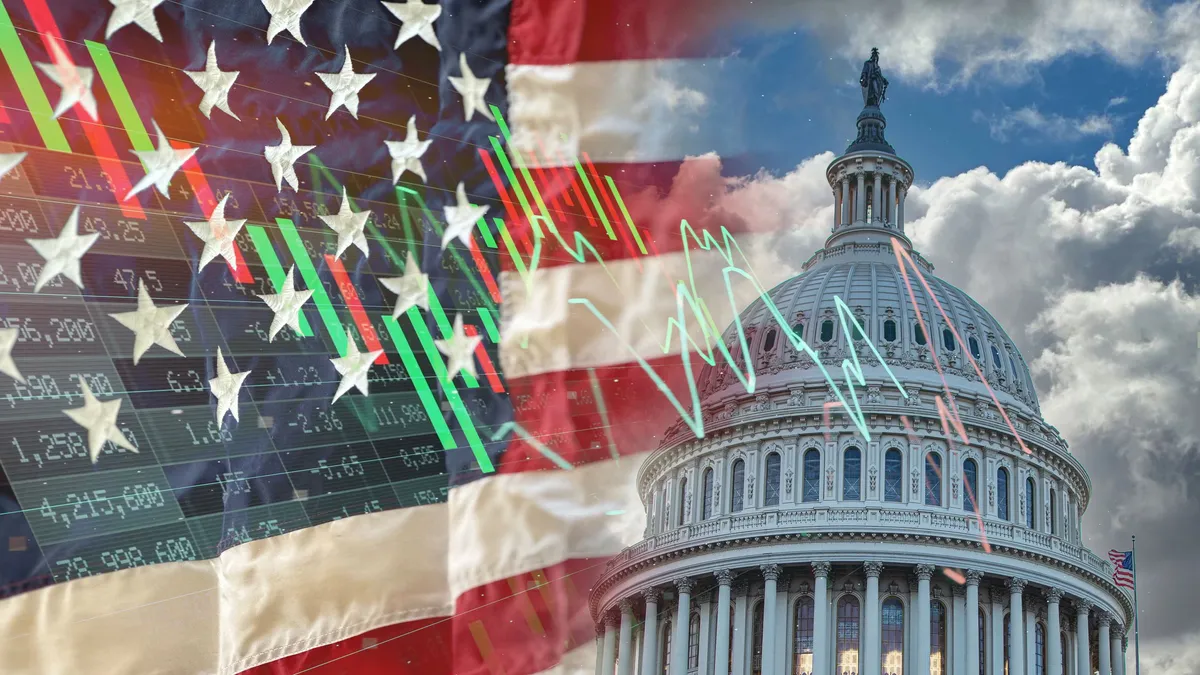
As midterm elections loom on the horizon, American investors often find themselves engulfed in a whirlwind of political news, candidate debates, and fluctuating poll numbers. This environment can trigger emotional decision-making, leading many to think they must dramatically alter their investment strategies. However, seasoned financial experts caution against this impulse. Instead of letting the political climate dictate your financial decisions, it’s crucial to refocus on your long-term investment goals and financial plan.
Understanding the interplay between politics and the market is fundamental. While political shifts can influence government policies and, in turn, affect economic growth, historical data shows that long-term market performance is primarily driven by corporate earnings, interest rates, and inflation. In fact, according to BlackRock, the S&P 500 index has typically shown resilience, averaging a 14.1% gain in the six months following midterm elections since 1970. This article will explore effective strategies to prepare your portfolio for the upcoming midterm elections without succumbing to the noise of political frenzy.
1. Align Your Financial Plan with Your Investment Strategy
Maintaining a clear distinction between financial planning and political preferences is vital for investors. As Andrew Crowell, Vice Chairman at D.A. Davidson, suggests, your financial plan should act as a compass during uncertain times. Just as one would not abandon their roadmap during a traffic jam, investors should not lose sight of their long-term objectives due to short-term market turbulence.
Now is an excellent time to assess your risk tolerance, investment time horizon, and any upcoming cash needs. For instance, if you're approaching retirement, your strategy may require a more conservative approach compared to younger investors with a longer time frame. A prudent review of your portfolio can ensure that your investments still align with your financial goals, giving you the confidence to ride out potential volatility that accompanies election cycles.

2. Rebalance Your Portfolio to Maintain Target Allocations
Market fluctuations can often lead to an unbalanced portfolio where certain assets become overrepresented, potentially increasing your risk exposure. Rebalancing involves adjusting your investments back to your desired allocation. For example, if your target allocation is 60% stocks and 40% bonds, but stocks have performed well, you might find yourself at 70% stocks and only 30% bonds.
Experts recommend taking advantage of midterm volatility as a chance to rebalance. Instead of making impulsive changes, consider trimming your overweight investments and reallocating those funds to underperforming assets. Alternatively, if you have new cash to invest, direct it towards those underrepresented areas. This disciplined approach allows you to make strategic adjustments that support your long-term financial goals rather than reacting to the election-year environment.

3. Embrace Diversification for Greater Resilience
While midterm elections can create market instability, they are not the only source of potential turbulence. Factors such as Federal Reserve interest rate hikes, inflation concerns, and geopolitical events contribute to market fluctuations. To mitigate risks, diversification remains a cornerstone of investment strategy.
By spreading your investments across various asset classes—such as stocks, bonds, and real estate—along with different sectors and geographies, you can protect your portfolio from significant downturns. For example, during periods of economic uncertainty, sectors like healthcare and consumer staples often perform better than cyclical sectors such as industrials or financials. Regularly review your portfolio to ensure it includes a mix of asset classes that can withstand different market conditions, allowing you to weather the storms that may arise from midterm elections or broader economic shifts.
4. Stay Committed to Investment Fundamentals
The temptation to time the market based on political events can lead to costly mistakes. Missing just a few key market days can severely impact your overall returns. Research from Vanguard highlights that an initial investment of $100,000 in the S&P 500 from 1988 to 2024 would have grown to approximately $4.9 million if left untouched. However, missing the ten best days would reduce that figure to $2.3 million.
Focusing on fundamentals—such as company earnings, growth potential, and market valuations—provides a more robust basis for investment decisions. While political changes can influence corporate performance, they are not the primary drivers of stock prices. Therefore, stick with your long-term investment strategy and make adjustments only when there are significant changes to the underlying fundamentals of your investments, rather than due to election-related headlines.
5. Establish a Pre-Defined Response to Market Sell-Offs
Successful investing requires not only strategic planning but also mental preparation for volatility. The best investors have predetermined rules for how they will respond to market downturns. This could mean rebalancing your portfolio when certain thresholds are met, dollar-cost averaging into investments, or maintaining regular contributions regardless of market conditions.
By having a clear plan in place, you can avoid the emotional impulse to react to short-term market movements driven by political events. For example, if the market drops sharply due to election results, you might decide to increase your investments in quality assets at lower prices rather than panic selling. This systematic approach helps ensure you remain focused on your long-term financial goals instead of getting caught up in the political narrative of the moment.
Key Takeaways
- Stay Focused on Financial Plans: Let your predetermined financial strategy guide your decisions, not your political views.
- Rebalance Strategically: Use market volatility as an opportunity to maintain your target allocations.
- Diversify Your Portfolio: Spread investments across different sectors and asset classes to reduce risk.
- Focus on Fundamentals: Keep your investment decisions grounded in company performance rather than political sentiment.
- Prepare for Sell-Offs: Have a predefined plan for how to respond to market downturns to avoid emotional reactions.
Frequently Asked Questions
Should I change my investments based on political outcomes?
It’s generally not advisable to alter your investment strategy based solely on political events. Instead, focus on your long-term financial goals and the fundamentals of your investments. Political outcomes can have an impact, but they should not dictate your investment actions unless there are significant changes in the underlying economic conditions or your personal financial situation.
How can I assess my risk tolerance before the elections?
Assessing your risk tolerance involves reflecting on your financial goals, investment time horizon, and how comfortable you feel with market fluctuations. Consider taking a risk assessment quiz or consulting with a financial advisor to evaluate your risk profile and ensure your investment strategy aligns with your comfort level and future objectives.
What is the importance of diversification during election years?
Diversification is key to managing risk, especially during volatile periods like election years. By holding a variety of investments across different sectors and asset classes, you can reduce your exposure to any single market event. This strategy helps to cushion against losses during turbulent times, maintaining the overall stability of your portfolio.
How can I stay informed without becoming overwhelmed by political news?
To stay informed without being overwhelmed, limit your news consumption to reputable financial news sources and set specific times to check updates. Focus on information that is relevant to your investment strategy and avoid excessive exposure to sensational political news that may cloud your judgment. Consider subscribing to financial newsletters that focus on market analysis rather than political commentary.
This content is educational and not financial advice.
Comments
Investment Outcomes: Gold, Bitcoin, and TRUMP Coin Since Inauguration Day
An examination of the investment performance of gold, Bitcoin, and TRUMP Coin since Inauguration Day reveals stark contrasts in returns. Understanding these dynamics can inform future investment strategies.
Related articles







Popular in Investing
- Navigating the Dismal Landscape of 2026's Worst-Performing ETFs
- Stablecoin Market Faces $10 Billion Decline — What It Means for Investors
- Avantus Secures $525 Million for Major California Solar Project
- Navigating the Pet Stocks Market: Opportunities Amidst Challenges
- Market Turmoil: How Geopolitical Tensions and Earnings Reports Impact Stocks