Market Trends: AI Innovation and Global Tensions Shape Stocks
Recent stock market movements highlight a dual influence of technological advancements and geopolitical uncertainties, particularly in the Middle East. As investors respond to earnings reports and international negotiations, the landscape for U.S. and global markets remains dynamic.
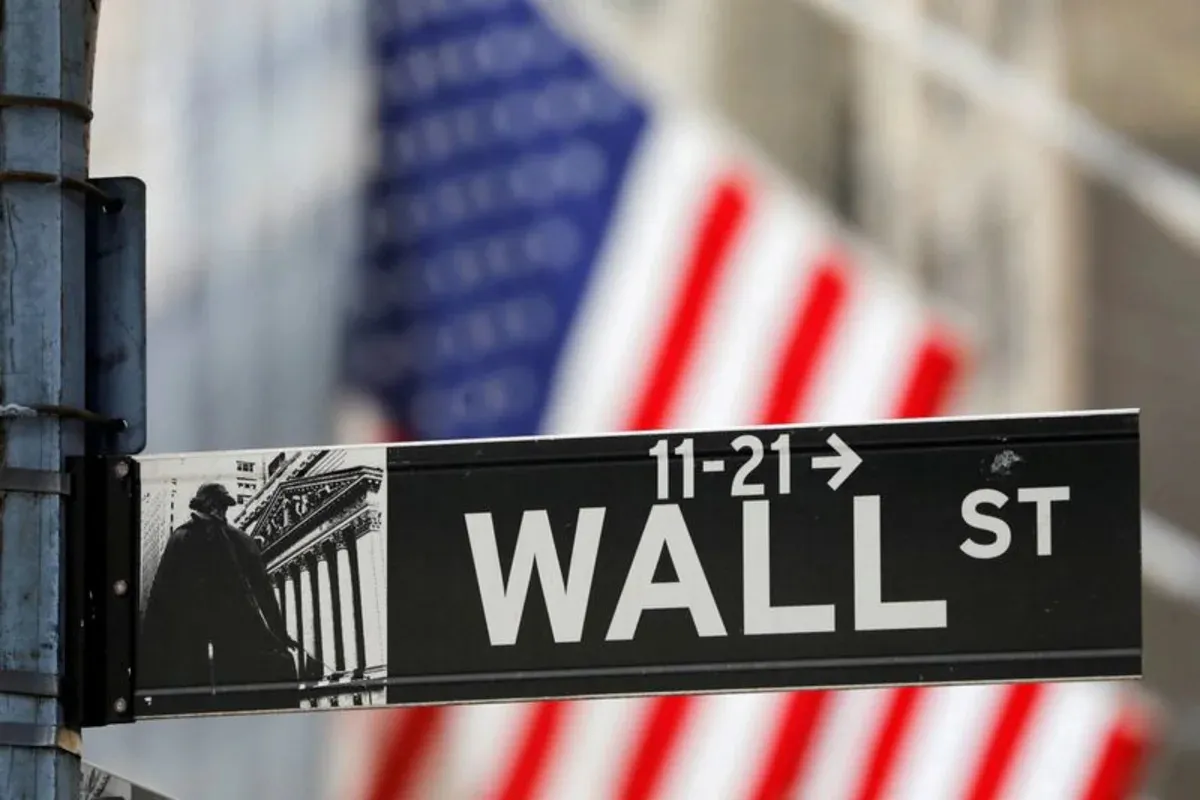
The global stock market is currently exhibiting a complex interplay between technological advancements and geopolitical tensions, particularly surrounding the Middle East. As of August 5, 2026, reports indicate a notable increase in stock values driven by positive earnings in the tech sector and renewed optimism surrounding U.S. negotiations with Iran. Wall Street recently reached record highs, benefitting from robust performance in technology stocks, particularly those involved in artificial intelligence (AI). However, the looming uncertainties of international peace talks in the Middle East continue to keep investors on edge.
Amidst this backdrop, certain sectors of the market are experiencing both highs and lows, reflecting the nuanced responses of investors to earnings reports and geopolitical news. Understanding these dynamics is essential for anyone looking to navigate the current investment landscape.
Stock Market Reactions to Technology and Earnings
On Wednesday, stocks around the world saw an upturn as investors reacted positively to recent earnings reports, especially from tech companies. The Nasdaq futures rose by 0.2%, and the S&P 500 futures gained 0.5%, reflecting a general investor enthusiasm for technology stocks. This trend is underscored by the recent performance of major companies like SpaceX and AMD, both of which have been pivotal in the AI sector.
The Tech Sector's Influence
Technology stocks, particularly those related to AI, have become significant market movers. The market's reaction has been largely driven by:
- Strong Earnings Reports: Companies like Novo Nordisk reported strong earnings yet saw their stock prices fluctuate due to investor skepticism regarding future sales.
- Continued Investment in AI: Despite concerns over capital spending, the rush to invest in AI infrastructure has buoyed stocks across the sector.
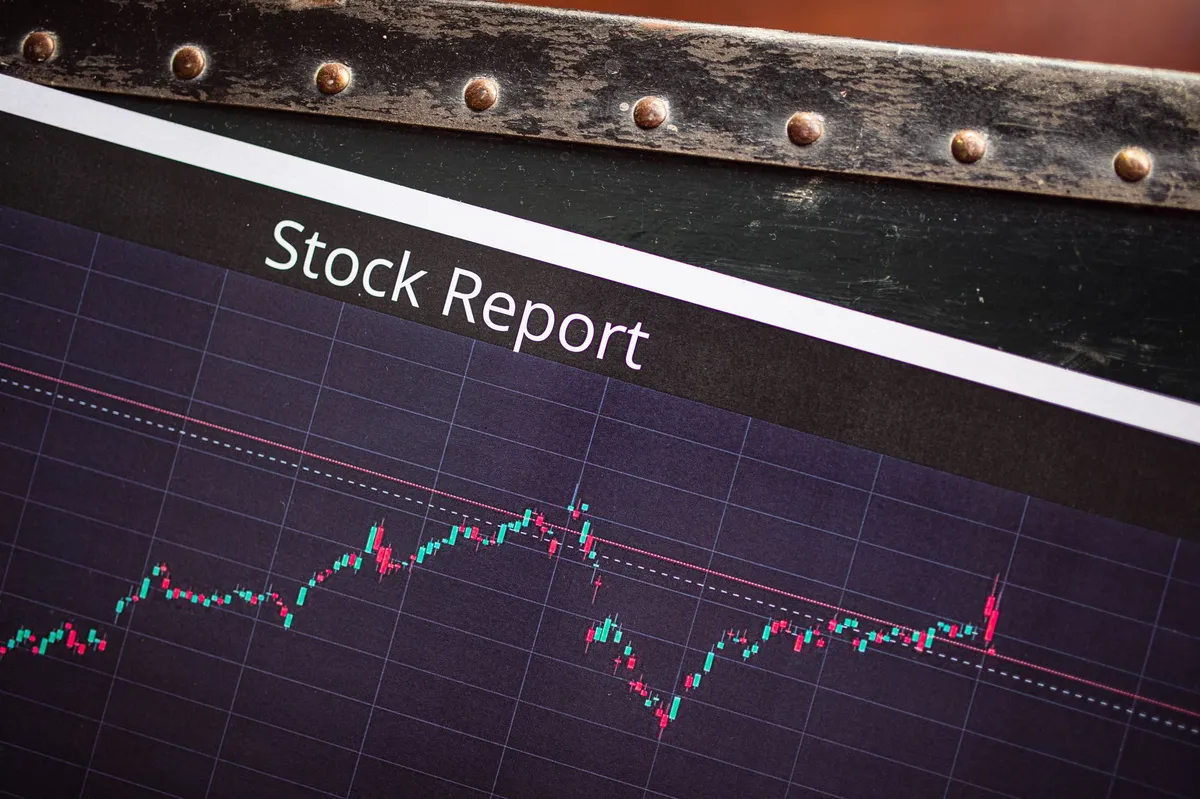
- Market Volatility: Stocks like AMD experienced sharp declines despite beating earnings expectations, illustrating the market's high expectations.
Geopolitical Factors Impacting Market Sentiment
The ongoing U.S.-Iran negotiations have added a layer of complexity to the stock market's performance. President Donald Trump's positive remarks regarding discussions with Iran have spurred hopes for a resolution to the ongoing conflict, particularly regarding the Strait of Hormuz, a crucial shipping lane for global oil.
Oil Market Dynamics
Recent data suggests that traffic through the Strait of Hormuz is beginning to stabilize, with estimates indicating flows could be at 40% to 45% of pre-war levels. This level of resilience in oil transportation is crucial for global oil prices, with Brent crude rising as a result. Key points to consider include:
- Brent Crude Prices: Prices rose by 1.26%, reaching $80.34 per barrel, which is significantly lower than the July peak of $102.
- Impact on Inflation: The stability in oil supply is providing some respite from inflation concerns, influencing bond markets positively.
Market Predictions and Federal Reserve Outlook
As the market digests the implications of economic data releases, the Federal Reserve's actions will be closely monitored. Statements from Fed officials have hinted at a potential shift in monetary policy, which could have significant repercussions for both the stock and bond markets.
Interest Rate Speculations
Currently, the probability of a rate hike in September has decreased, which could signal a more cautious approach from the Fed. Market analysts are particularly focused on upcoming economic indicators, including the jobs report and inflation readings, as these will guide the Fed's future decisions. Key takeaways include:
- Current Treasury Yields: The yield on 10-year Treasuries has declined to 4.627%, down from a recent high of 4.747%.
- Economic Indicators: The next round of economic data is expected to significantly influence the Fed's tightening cycle.

Currency Movements and Global Responses
In the currency markets, the euro has firmed slightly against the dollar, while the yen is experiencing heightened scrutiny amid potential intervention from the Bank of Japan. The interplay between these currencies reflects broader economic conditions and investor sentiment toward U.S. and Asian markets.
Global Currency Trends
Key developments in the currency markets include:
- Euro Performance: The euro has strengthened to $1.15406, just below a six-week high, showing resilience against the dollar.
- Yen Intervention: The Japanese government has signaled a willingness to intervene in the currency markets to stabilize the yen, which is currently valued at 157.61 per dollar.

Key Takeaways
- Tech stocks are driving market performance, particularly in AI.
- Geopolitical tensions, particularly in the Middle East, are influencing investor sentiment.
- The Fed's policy decisions could significantly impact market movements in the coming months.
- Currency markets are reacting to both economic data and international developments.
Frequently Asked Questions
What factors are currently driving stock market performance?
The stock market is primarily influenced by strong earnings reports from technology companies, particularly those in AI. Additionally, geopolitical factors, such as the ongoing U.S.-Iran negotiations, are creating volatility and uncertainty, which can lead to fluctuating investor confidence.
How do geopolitical tensions affect oil prices?
Geopolitical tensions, especially in the Middle East, directly impact oil prices as they can disrupt supply chains and affect shipping routes, such as the Strait of Hormuz. Investors closely monitor these developments, as they can lead to significant price fluctuations in the global oil market.
What should investors watch for in upcoming economic reports?
Investors should pay particular attention to upcoming economic indicators, including employment data and inflation readings, as these reports will provide insight into the health of the economy and guide the Federal Reserve's monetary policy decisions. These factors could significantly impact market conditions and investment strategies.
How can I stay informed about market trends?
Staying informed about market trends requires regularly reviewing financial news from reliable sources, analyzing market data, and understanding the broader economic landscape. Investors can also consider subscribing to market analysis services or attending financial seminars to deepen their knowledge.
Disclaimer: This content is educational, not financial advice.
Comments
Amazon's Bold AI Investment: A Game Changer for Investors
Amazon's recent $220 billion investment in AI infrastructure is raising eyebrows, but key metrics suggest this spending could yield significant returns. With a massive backlog and strong earnings growth, here's why this spending might be less risky than it appears.

Related articles







Popular in Investing
- Navigating the Dismal Landscape of 2026's Worst-Performing ETFs
- Stablecoin Market Faces $10 Billion Decline — What It Means for Investors
- Avantus Secures $525 Million for Major California Solar Project
- Navigating the Pet Stocks Market: Opportunities Amidst Challenges
- Market Turmoil: How Geopolitical Tensions and Earnings Reports Impact Stocks