Elbit Systems Earnings Beat Overshadowed by Geopolitical Tensions
Elbit Systems reports strong earnings, yet its stock falls due to renewed tensions in the Middle East. Investors are wary of how geopolitical instability could affect operations.

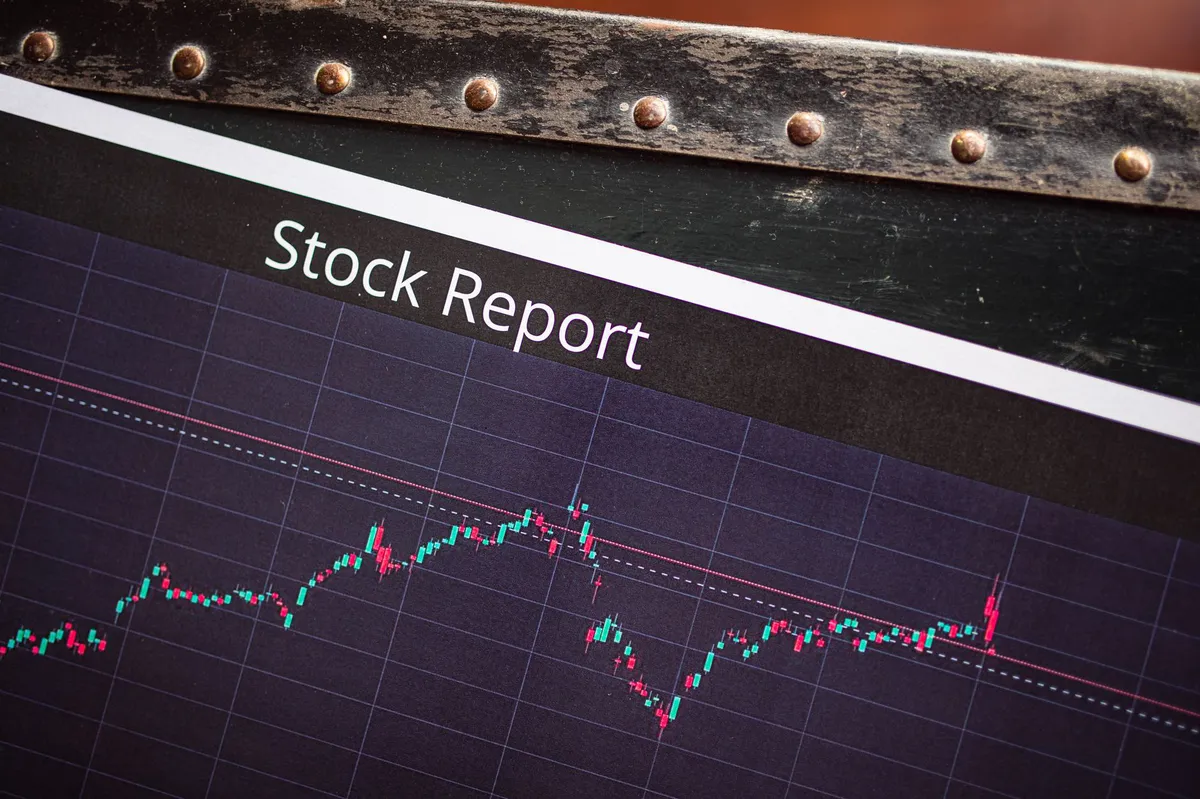
Despite posting better-than-expected earnings, Israeli defense contractor Elbit Systems saw its stock price plummet by approximately 6% on a recent Tuesday morning. This decline comes at a time when the geopolitical landscape in the Middle East is becoming increasingly uncertain, raising questions about the future of operations for defense firms like Elbit. Investors are grappling with the implications of these tensions, particularly in light of failed negotiations between the U.S. and Iran that had initially sparked hope for a potential peace deal.
Understanding Elbit Systems and Its Earnings Report
Elbit Systems is one of Israel's largest defense contractors, specializing in a variety of military technology and systems, from unmanned aerial vehicles to advanced electronic warfare equipment. The company recently released its quarterly earnings report, showcasing significant growth and profitability that exceeded market expectations. For instance, Elbit reported a revenue increase of 15% year-over-year, driven by robust demand for its defense products and an expanding international presence.
Key Financial Metrics
- Revenue Growth: 15% increase year-over-year
- Earnings Per Share (EPS): Exceeded analysts' expectations
- International Sales: 40% of total revenue

Geopolitical Landscape and Its Impact
While the earnings report painted a positive picture for Elbit Systems, the broader geopolitical climate in the Middle East poses significant risks. The recent collapse of peace negotiations between the U.S. and Iran has left many investors apprehensive about the potential for renewed conflict in the region. Iran's nuclear ambitions and military activities have long been a concern for both the U.S. and Israel, and any escalation could directly impact defense contractors like Elbit.
The Risks of Renewed Conflict
If tensions escalate, Elbit Systems could face disruptions in its supply chain or operational capabilities. Additionally, heightened military activity often leads to increased scrutiny from international regulators and could affect sales to foreign governments. For instance, many countries may reconsider their defense contracts or delay procurement decisions if they perceive increased risk in the region.
Investor Sentiment and Market Reaction
The stock market reaction to Elbit's earnings announcement underscores the precarious nature of investing in defense firms amid geopolitical instability. Although the company performed well financially, the market seems to prioritize the potential risks over the positive earnings results. This phenomenon is not unique to Elbit; many defense contractors experience similar volatility in their stock prices, particularly during periods of international uncertainty.
Market Trends for Defense Stocks
Historically, defense stocks can be highly sensitive to global events. For instance, during periods of relative peace, these companies often see their stock prices rise as investors seek stable returns. Conversely, during times of conflict or heightened tension, stocks may fall despite strong earnings reports. Analysts suggest that investors should closely monitor geopolitical developments, as these can have immediate and profound effects on stock performance.

What Investors Should Consider Going Forward
With Elbit Systems' stock price reacting negatively despite positive earnings, investors may want to adopt a cautious approach. Understanding both the company's fundamentals and the external geopolitical factors is crucial for making informed investment decisions. Here are some strategies and considerations for investors:
- Diversification: Given the volatility in defense stocks, diversifying your portfolio can help mitigate risks associated with geopolitical tensions.
- Monitoring Developments: Staying informed about international relations, particularly involving the Middle East, can provide critical insights into potential impacts on defense companies.
- Long-Term Perspective: Focus on the long-term growth potential of defense contractors, especially those with strong international markets that could offset regional instability.

Key Takeaways
- Elbit Systems posted strong earnings but saw a 6% drop in stock price due to geopolitical concerns.
- The collapse of U.S.-Iran negotiations raises risks for defense contractors in the region.
- Investors should consider diversification and stay informed about international developments.
Frequently Asked Questions
What are the main products offered by Elbit Systems?
Elbit Systems specializes in a diverse array of defense technologies, including unmanned aerial systems (UAS), advanced electronic warfare systems, and cyber defense solutions. The company also provides border security solutions and military communications, making it a key player in both domestic and international defense markets.
How do geopolitical tensions affect defense stocks?
Geopolitical tensions can lead to fluctuating demand for defense products, affecting sales and contracts for companies like Elbit Systems. In times of conflict or instability, governments may increase defense budgets, potentially benefiting defense contractors. Conversely, if tensions reduce or peace negotiations succeed, governments may scale back their military expenditures, leading to decreased demand for defense products.
What should investors look for in defense stocks?
Investors should look for companies with strong fundamentals, including consistent earnings growth, a solid order backlog, and a diversified customer base. Additionally, understanding the geopolitical landscape and how it may impact defense spending is crucial. Investing in firms with a robust international presence can also provide an added layer of stability in times of regional instability.
Disclaimer: This content is educational, not financial advice.
Comments
Navigating the Gold Market: Trends, Insights, and Future Predictions
As gold prices fluctuate amid changing economic indicators, investors are keen to understand the market's direction. This article explores key factors influencing gold's appeal, including inflation, interest rates, and global buying trends.
Related articles





Popular in Investing
- Navigating the Dismal Landscape of 2026's Worst-Performing ETFs
- Stablecoin Market Faces $10 Billion Decline — What It Means for Investors
- Avantus Secures $525 Million for Major California Solar Project
- Navigating the Pet Stocks Market: Opportunities Amidst Challenges
- Market Turmoil: How Geopolitical Tensions and Earnings Reports Impact Stocks