Navigating the Gold Market: Trends, Insights, and Future Predictions
As gold prices fluctuate amid changing economic indicators, investors are keen to understand the market's direction. This article explores key factors influencing gold's appeal, including inflation, interest rates, and global buying trends.
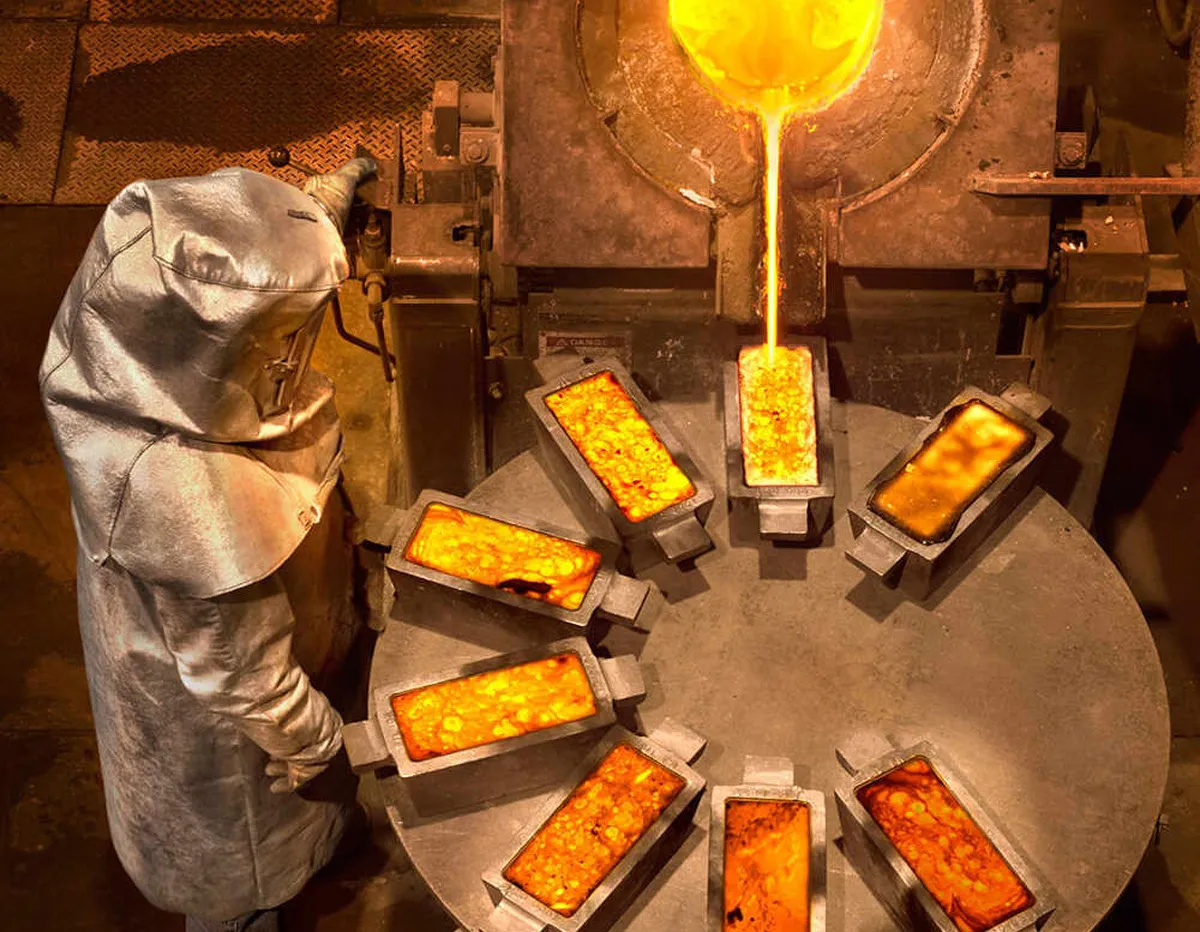
In the ever-shifting landscape of precious metals, gold remains a focal point for investors seeking stability in turbulent economic times. As of 2023, gold's price has seen significant fluctuations, reaching a ten-year high of over $5,300 per ounce earlier in the year before retracting by 18%. Despite this volatility, recent trends suggest a resurgence in interest, with last week's performance marking the best week for gold since January and a notable spike in gold mining stocks. As inflation concerns and changing interest rate expectations influence market dynamics, understanding the drivers behind these trends is crucial for investors.
Gold has historically been viewed as a safe haven during economic uncertainty, with its value often rising when confidence in fiat currencies wanes. The current backdrop of fiscal spending concerns in the U.S., coupled with fears of global economic stagnation, has reignited interest in gold as a protective asset. Pippa Malmgren, a former Special Assistant to President George W. Bush, highlights that these factors are pushing investors towards conservative value preservation methods, such as gold purchases. This sentiment is echoed by many, including central banks worldwide, which have been steadily increasing their gold reserves, signaling a broader loss of faith in paper currencies.
Understanding Gold's Market Dynamics
Gold prices are influenced by a variety of complex factors, including inflation rates, interest rate expectations, and global demand. The interplay between these elements shapes the market's overall outlook.
Inflation and Interest Rates
Inflation is a primary driver for gold prices. When inflation rises, the purchasing power of currency decreases, leading investors to seek tangible assets like gold as a hedge. Recent data indicating a tame inflation rate has led to a decrease in expectations for interest rate hikes by the Federal Reserve. This environment typically enhances gold's appeal compared to other rate-sensitive assets, as lower interest rates reduce the opportunity cost of holding non-yielding assets like gold.
Central Bank Activity
Central banks play a pivotal role in the gold market. Countries like China have been actively increasing their gold holdings, with the People's Bank of China (PBOC) adding nearly 20 tons of gold in July alone, marking its 21st consecutive month of accumulation. This trend reflects a broader strategy to bolster national reserves and hedge against currency fluctuations.
Investment Strategies: Gold ETFs and Mining Stocks
For retail investors looking to capitalize on gold's potential, there are several investment vehicles available, including exchange-traded funds (ETFs) and gold mining stocks.
Gold ETFs
Gold ETFs like the SPDR Gold Shares (GLD) and the iShares Gold Trust (IAU) provide a straightforward way to invest in gold without the complexities of physical ownership. These funds track the price of gold and are a popular choice among investors seeking liquidity and ease of access. For those looking for lower expenses, the GLDM ETF offers a competitive expense ratio of just 10 basis points.
Mining Stocks
Investing in gold mining stocks can offer additional leverage. Stocks of companies like Newmont and AngloGold Ashanti present opportunities for investors to gain from both gold price appreciation and company performance. Many mining firms also pay dividends, making them attractive for income-focused investors. However, investing in mining stocks can be more volatile; for instance, the Van Eck Gold Miners ETF (GDX) can amplify returns, moving approximately three times faster than gold prices themselves.
Market Predictions and Future Outlook
The outlook for gold remains complex and multifaceted. Analysts are closely monitoring upcoming Federal Reserve announcements and broader economic indicators that could impact market sentiment.
Potential for Continued Growth
Some market analysts, like billionaire hedge fund manager John Paulson, believe that gold is entering the early stages of a long-term rally, driven by persistent inflation and government spending. As geopolitical tensions and supply chain issues continue to loom, gold could see renewed demand as a safe haven. Moreover, with the Fed's current stance on interest rates, the backdrop for gold appears favorable, particularly if economic growth remains sluggish.
The Role of Geopolitical Events
Geopolitical factors also play a significant role in gold pricing. For instance, tensions in the Middle East and oil prices nearing $90 per barrel can create a sense of urgency among investors to seek security in gold. As political climates shift and uncertainties arise, gold often becomes a refuge for capital.
Key Takeaways
- Volatility Ahead: Expect fluctuations in gold prices, particularly with upcoming Fed meetings and economic data releases.
- Investment Choices: ETFs and mining stocks provide varying risk and reward profiles for investors interested in gold.
- Central Bank Trends: Global central bank gold accumulation signals ongoing confidence in gold as a reserve asset.
- Inflation Concerns: Persistent inflationary pressures can drive demand for gold as a hedge against currency devaluation.
- Geopolitical Influences: Monitoring global events is crucial, as they can significantly impact gold prices.
Frequently Asked Questions
What factors influence the price of gold?
The price of gold is primarily influenced by inflation rates, interest rate expectations, and global demand. When inflation rises, investors tend to flock to gold to preserve their wealth. Additionally, if the Federal Reserve signals lower interest rates, gold becomes more attractive as a non-yielding asset. Central banks' buying patterns also significantly affect gold prices, as increased purchases can indicate a lack of confidence in fiat currencies.
How can I invest in gold without buying physical gold?
Investors can gain exposure to gold through various financial instruments such as exchange-traded funds (ETFs) that track gold prices, or by investing in gold mining stocks. ETFs like GLD and IAU offer a convenient and liquid way to invest in gold without the need for physical storage, while mining stocks provide leverage and potential dividends.
Is gold a good investment during inflationary periods?
Historically, gold has been viewed as a reliable hedge against inflation. When inflation rises, the purchasing power of cash decreases, making tangible assets like gold more appealing. As prices rise, many investors turn to gold to protect their wealth, suggesting that it can be a good investment during inflationary periods.
What is the outlook for gold prices in the coming months?
The outlook for gold prices remains uncertain, as it is heavily influenced by economic indicators and central bank policies. Analysts anticipate that if inflation remains a concern and economic growth slows, gold prices could continue to rise. However, geopolitical events and market sentiment will play critical roles in determining the direction of the gold market in the near future.
Disclaimer: The content is educational and not financial advice.
Comments
Navigating Stock Market Turbulence: What Investors Should Know
As inflation data looms, stock indices are experiencing fluctuations driven by earnings reports and geopolitical tensions. Understanding these dynamics is crucial for investors.
Related articles


Popular in Investing
- Navigating the Dismal Landscape of 2026's Worst-Performing ETFs
- Stablecoin Market Faces $10 Billion Decline — What It Means for Investors
- Avantus Secures $525 Million for Major California Solar Project
- Navigating the Pet Stocks Market: Opportunities Amidst Challenges
- Market Turmoil: How Geopolitical Tensions and Earnings Reports Impact Stocks