Wall Street's $500 Billion AI Bet: Implications for Your 401(k)
NVIDIA's recent $500 billion funding initiative signals a seismic shift in the AI landscape. This article explores how this investment could affect your retirement portfolio and what strategies to consider.

On August 10, 2026, NVIDIA, a leading player in the graphics processing unit (GPU) industry, announced a groundbreaking partnership with six financial institutions to secure a staggering $500 billion aimed at expanding artificial intelligence (AI) infrastructure. This monumental deal reflects the aggressive growth trajectory of AI companies and raises pertinent questions about the economic impact of such investments on everyday Americans, particularly on retirement savings like 401(k) plans.
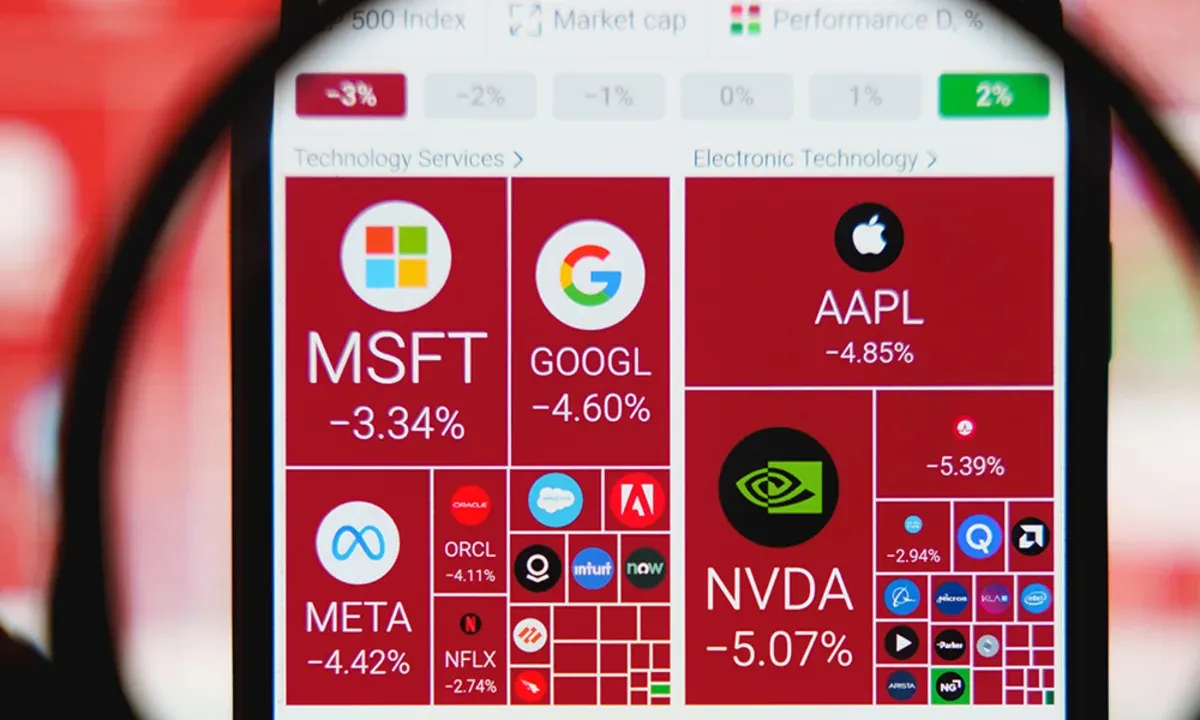
As Wall Street pours billions into AI development, the question arises: how does this massive influx of capital affect individual investors and their retirement portfolios? With AI-related companies constituting over half of the S&P 500 by weight, the implications for investment strategies could be profound.

The AI Investment Surge: A Double-Edged Sword
NVIDIA's recent announcement is part of a broader trend whereby tech giants like Alphabet and Amazon forecast capital expenditures in the hundreds of billions, driven by the insatiable demand for advanced AI capabilities. Tesla CEO Elon Musk emphasized this urgency during a recent earnings call, expressing the need to expedite capital spending to stay competitive. However, while the initial influx of jobs may seem promising, the long-term employment landscape painted by experts might suggest otherwise.
The Temporary Job Landscape
While the construction of data centers — critical for AI operations — may temporarily boost local economies, the long-term job prospects are less optimistic. Kartik Hosanagar from the Wharton Business School notes that most data centers create only 100 to 200 permanent jobs, leading to skepticism about the overall economic benefit. A Gallup poll indicates that over 70% of Americans are opposed to local AI data center construction, pointing to a growing discontent over the perceived economic drawbacks.
Market Dynamics: Valuation Concerns and Economic Factors
As more capital flows into AI, concerns about inflated stock valuations are mounting. With major stock indexes at record highs, many economists caution that a market correction could be on the horizon. The European Central Bank has echoed these sentiments, suggesting that the current economic climate offers limited room for monetary policy adjustments to cushion potential downturns, unlike during the dot-com bubble.
Defensive Strategies for Investors
Given these dynamics, investors must be prudent in their approach. Here are some strategies to consider to mitigate risks associated with this AI investment surge:
- Diversify Your Portfolio: Reduce exposure to AI and tech stocks by including a varied mix of asset classes.
- Invest in Low-Risk Instruments: Consider Certificates of Deposit (CDs) that offer predictable returns, thereby insulating your investments from stock market volatility.
- Look to Precious Metals: Gold has historically served as a hedge against economic uncertainty, with prices rising significantly over the past year.
- Explore Real Estate Investments: Accessing real estate through platforms that allow for fractional ownership can provide steady income and appreciation potential.

Diversification: The Key to Stability
In light of these investment strategies, diversification remains a cornerstone of a robust financial plan. Here are some effective ways to achieve this:
1. Low-Risk Assets
Certificates of Deposit (CDs) offer a reliable way to safeguard your capital while earning interest. Platforms like CD Valet allow you to compare rates from various banks, ensuring you find the best options available. By locking in fixed rates, you can achieve more predictable returns.
2. Precious Metals
Investing in gold can help hedge against stock market volatility. Gold prices have soared, offering a solid alternative for those concerned about inflated stock valuations. Furthermore, a Gold IRA provides tax advantages while allowing you to hold physical gold or related assets in your retirement account.
3. Real Estate Investments
Real estate can offer stability in your portfolio. With platforms like Mogul, you can invest in single-family rental homes, gaining exposure to a traditionally stable asset class without the hassles of direct ownership. This approach allows you to benefit from rental income and property appreciation.
Staying the Course: Continued Investment in AI
Despite the potential risks, some investors may still believe in the long-term viability of AI. If you choose to continue investing in this sector, consider implementing hedging strategies to protect your portfolio. This could entail diversifying your investments while maintaining a core stake in promising AI companies.
Understanding Market Trends
Staying informed about market trends and economic indicators is essential for making educated investment decisions. Regularly reviewing your portfolio and adjusting your strategy in response to market changes can help you navigate the volatility associated with tech investments.

Key Takeaways
- NVIDIA's $500 billion AI investment reflects a significant shift in the tech landscape, potentially impacting average Americans' retirement portfolios.
- Diversification is crucial to mitigating risks associated with inflated valuations in the stock market.
- Consider low-risk assets such as CDs and precious metals as part of a balanced investment strategy.
- Explore real estate investments through platforms that offer fractional ownership opportunities.
- Stay informed about market trends and adjust your investment strategies accordingly.
Frequently Asked Questions
What does NVIDIA's $500 billion investment mean for the average investor?
NVIDIA's massive investment indicates a bullish sentiment on AI's future, potentially leading to increased stock valuations. However, with such rapid growth, there are concerns about sustainability and corrections in the market that could impact investors' portfolios.
How can I diversify my portfolio effectively?
Diversification involves spreading your investments across various asset classes to reduce risk. You can achieve this by incorporating stocks, bonds, low-risk assets like CDs, precious metals, and real estate into your portfolio. This approach helps mitigate the impact of any single asset class underperforming.
Is investing in AI still a good idea?
Investing in AI can still be a solid choice, particularly for those who believe in its long-term potential. However, it's essential to remain cautious and consider hedging strategies to protect against potential downturns or corrections in the market.
What are the benefits of investing in gold?
Gold serves as a hedge against economic uncertainty and inflation, making it a safe haven for investors. Additionally, investing in a Gold IRA allows you to enjoy tax advantages while diversifying your retirement account with physical assets.
This content is educational and not financial advice.
Comments
Microsoft's Evolution: A Deep Dive into Its Growth and Innovation Strategies
Microsoft continues to redefine its role in the tech ecosystem, leveraging AI and cloud technology while navigating the complexities of market dynamics. This article explores Microsoft's innovation legacy and its current market positioning.

Related articles






Popular in Investing
- Navigating the Dismal Landscape of 2026's Worst-Performing ETFs
- Stablecoin Market Faces $10 Billion Decline — What It Means for Investors
- Cotton Futures Surge Despite Increased Production Forecasts
- Avantus Secures $525 Million for Major California Solar Project
- Navigating the Pet Stocks Market: Opportunities Amidst Challenges