The Future of Investing: Why Tokenized Stocks Matter
Robinhood's CEO advocates for the approval of tokenized stocks in the U.S. market, highlighting the potential benefits and challenges of this innovative investment model.
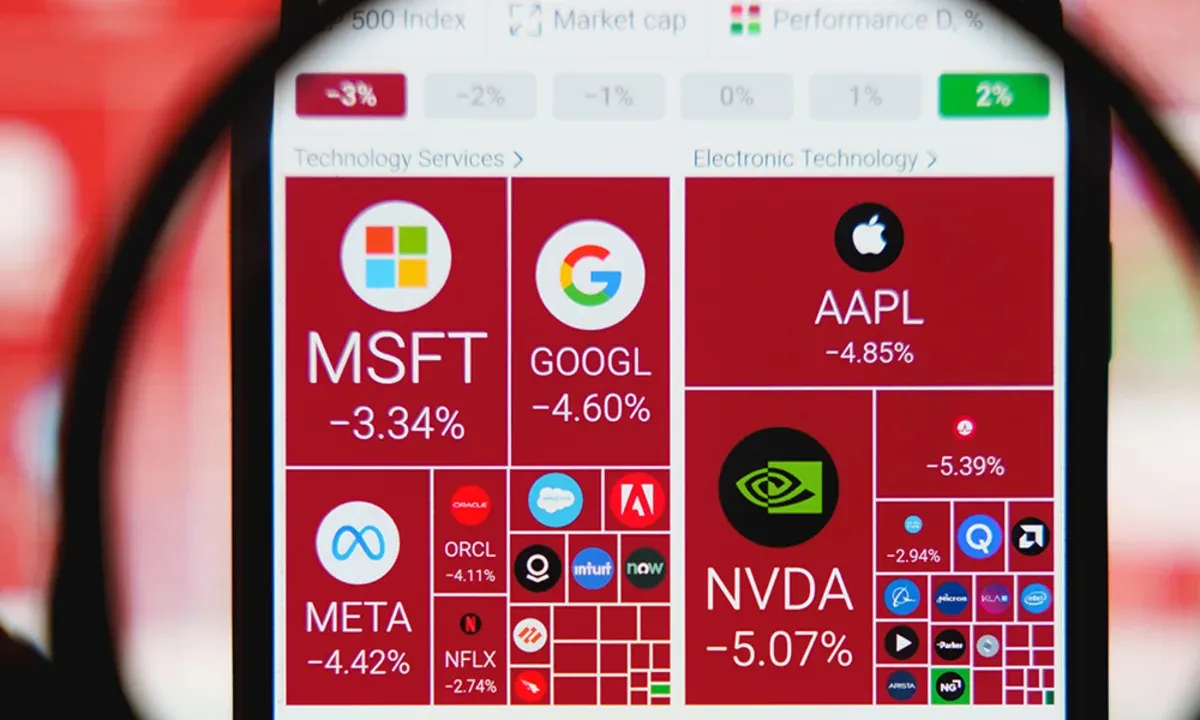
In a bold move that could reshape the landscape of investing, Vlad Tenev, CEO of Robinhood Markets, has called on U.S. regulators to approve tokenized stocks. In a recent social media post, he warned that the U.S. risks losing its competitive edge in the financial market to international players if it does not embrace this next-generation financial infrastructure. The advent of tokenization, he argues, marks the beginning of a 'tokenization super cycle' that could redefine the boundaries of traditional finance and democratize access to investment opportunities.
As the world continues to evolve technologically, the financial sector is not exempt from the wave of innovation. Tokenized stocks, which effectively digitize shares of publicly traded companies, have already gained traction outside the U.S., with Robinhood offering over 190 tokenized U.S. stocks in more than 120 countries. These digital assets are backed 1:1 by their underlying shares, allowing investors to gain exposure to equities like Apple (NASDAQ: $AAPL) without the conventional brokerage model. However, the unique structure of tokenized stocks has raised regulatory concerns, particularly regarding ownership rights and investor protections.
Understanding Tokenized Stocks
Tokenized stocks represent a significant innovation in the investing world, merging traditional equity markets with blockchain technology. At its core, tokenization involves creating a digital representation of a stock on a blockchain, which is a decentralized ledger that records transactions across many computers. Here are some key aspects of tokenized stocks:
- Blockchain Infrastructure: Tokenized stocks utilize blockchain technology to provide transparency and security in transactions.
- Fractional Ownership: Investors can buy fractions of a stock, making high-value shares more accessible to a broader audience.
- 24/7 Trading: Unlike traditional stock markets that operate within set hours, tokenized stocks can be traded around the clock, offering more flexibility to investors.
- Lower Fees: By reducing the number of intermediaries, tokenized stocks can potentially offer lower transaction fees compared to traditional trading methods.

The Advantages of Tokenization
Tenev's advocacy for tokenized stocks is rooted in their potential to disrupt traditional investing paradigms. Here are some of the advantages that proponents argue could reshape the financial landscape:
1. Instant Settlement
In conventional stock trading, settlement can take several days after a trade is executed. Tokenized stocks, however, can settle transactions almost instantly via blockchain technology. This rapid settlement may increase liquidity in the market, allowing investors to access their funds more quickly.
2. Global Access
Tokenized stocks break down geographical barriers in investing. Investors in countries with limited access to U.S. markets can trade tokenized stocks, thereby democratizing investment opportunities and allowing for a more inclusive financial system.
3. Addressing Market Hours
Traditional stock exchanges operate on set hours, which can be restrictive for investors. Tokenized stocks can facilitate 24/7 trading, allowing investors to react to market events in real-time, regardless of their location or time zone.
Challenges and Regulatory Concerns
Despite the potential benefits, the adoption of tokenized stocks in the U.S. faces significant hurdles. Regulatory bodies like the Securities and Exchange Commission (SEC) have raised concerns regarding the nature of ownership associated with tokenized stocks. Unlike traditional shares, where shareholders have direct ownership rights, tokenized stocks often grant investors rights through an intermediary. This distinction can complicate regulatory oversight and investor protection.
Regulatory Scrutiny
The SEC's apprehension about tokenized assets stems from the need to protect investors from fraud and ensure market stability. As a result, there is a pressing need for clear regulations that address the unique characteristics of tokenized stocks. Tenev's call for approval emphasizes the urgency for regulators to engage with this innovative model, crafting policies that balance innovation with consumer protection.
Market Education
Another challenge is educating the investing public about the risks and benefits associated with tokenized stocks. As this investment model is relatively new, many potential investors may lack understanding, making them hesitant to engage with tokenized assets. Financial literacy programs and transparent communication from platforms like Robinhood will be crucial in fostering acceptance and understanding.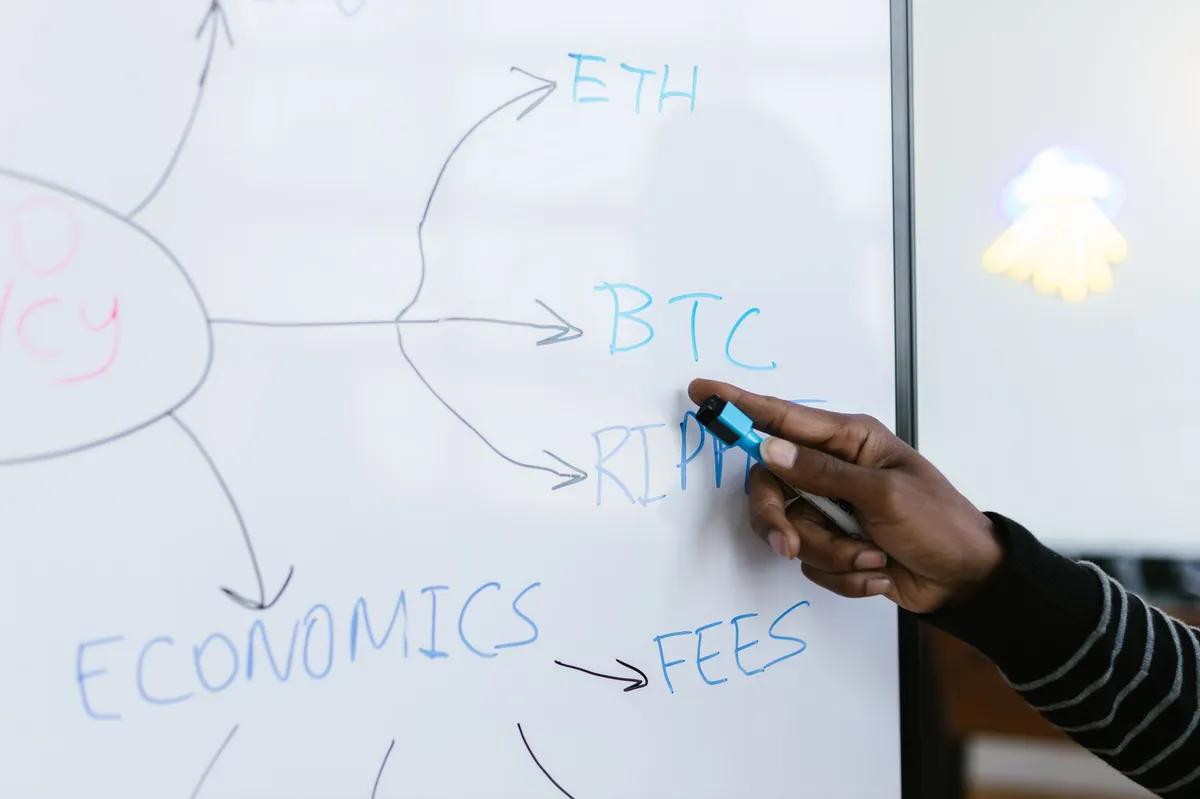
The Future of Investing
As the financial landscape continues to evolve, tokenized stocks present a promising avenue for innovation in investing. Tenev's advocacy highlights a significant moment in the ongoing dialogue between technology and finance. With potential benefits such as instant settlements, lower fees, and global access, tokenized stocks could democratize investing in ways that traditional markets have failed to do so.
The push for regulatory approval reflects a broader trend toward embracing technological advancements in finance. As more companies explore tokenization, the U.S. may need to adapt its regulatory framework to accommodate this emerging landscape. The outcome of these discussions could have lasting implications for how Americans invest, with the potential to make equity markets more accessible and efficient.
Key Takeaways
- Tokenized stocks offer a digital alternative to traditional equity investing, backed by underlying shares.
- Advantages include instant settlement, lower fees, and global access to investment opportunities.
- Regulatory concerns regarding ownership rights and investor protections remain significant hurdles.
- Education and transparent communication are essential for fostering acceptance of tokenized assets.
Frequently Asked Questions
What are tokenized stocks?
Tokenized stocks are digital representations of shares of publicly traded companies created on a blockchain. They allow investors to gain exposure to real-world equities without the need for traditional brokerage accounts. Each tokenized stock is backed by an equivalent amount of the underlying shares, though ownership rights may differ from conventional stocks.
How do tokenized stocks benefit investors?
Tokenized stocks provide several benefits, including the ability to trade around the clock, lower transaction fees due to fewer intermediaries, and fractional ownership, allowing investors to purchase smaller portions of high-value stocks. These features can make investing more accessible and efficient.
What are the regulatory challenges associated with tokenized stocks?
Tokenized stocks face regulatory scrutiny primarily due to concerns about ownership rights and investor protections. U.S. regulators, such as the SEC, are cautious about how these digital assets fit within existing frameworks and the potential risks they pose to investors. Clear regulations are needed to ensure market stability and consumer protection.
Will tokenized stocks become mainstream in the U.S.?
The future of tokenized stocks in the U.S. hinges on regulatory approval and market acceptance. As technology continues to advance and investor demand grows, there is potential for tokenized stocks to become a mainstream investment option. However, significant regulatory and educational challenges must be addressed to realize this vision.
Disclaimer: The content is educational, not financial advice.
Comments
Microsoft's Evolution: A Deep Dive into Its Growth and Innovation Strategies
Microsoft continues to redefine its role in the tech ecosystem, leveraging AI and cloud technology while navigating the complexities of market dynamics. This article explores Microsoft's innovation legacy and its current market positioning.

Related articles






Popular in Investing
- Navigating the Dismal Landscape of 2026's Worst-Performing ETFs
- Stablecoin Market Faces $10 Billion Decline — What It Means for Investors
- Cotton Futures Surge Despite Increased Production Forecasts
- Avantus Secures $525 Million for Major California Solar Project
- Navigating the Pet Stocks Market: Opportunities Amidst Challenges