Understanding S&P 500 Concentration Risks: A Guide for Investors
While the S&P 500 has been a stellar performer, reliance on its largest companies raises significant risks. This article delves into the concentration risks of S&P 500 investments and provides strategies for diversification.

The S&P 500 has long been a cornerstone of American investment portfolios, widely regarded as a reliable vehicle for long-term wealth accumulation. Over the past decade, this index, which represents about 80% of the total U.S. market capitalization, has more than quadrupled in value, thanks in large part to the stellar performance of the largest technology companies. However, as the landscape of investing evolves, experts are warning that the concentration of wealth in the S&P 500's biggest players can pose significant risks for investors, especially those nearing retirement.
In this article, we will explore the implications of investing heavily in the S&P 500, the concentration risks that arise from its current makeup, and actionable strategies to diversify your portfolio for long-term stability.
The S&P 500: A Double-Edged Sword
The S&P 500 is often viewed as a safe bet for long-term investors, and for good reason. Warren Buffett famously advocates for a simple investment strategy that involves a 90/10 split between an S&P 500 index fund and short-term treasuries. However, this approach may not be as foolproof as it seems today. Recent market conditions have led analysts to draw parallels with the late 1990s, just before the dot-com bubble burst.
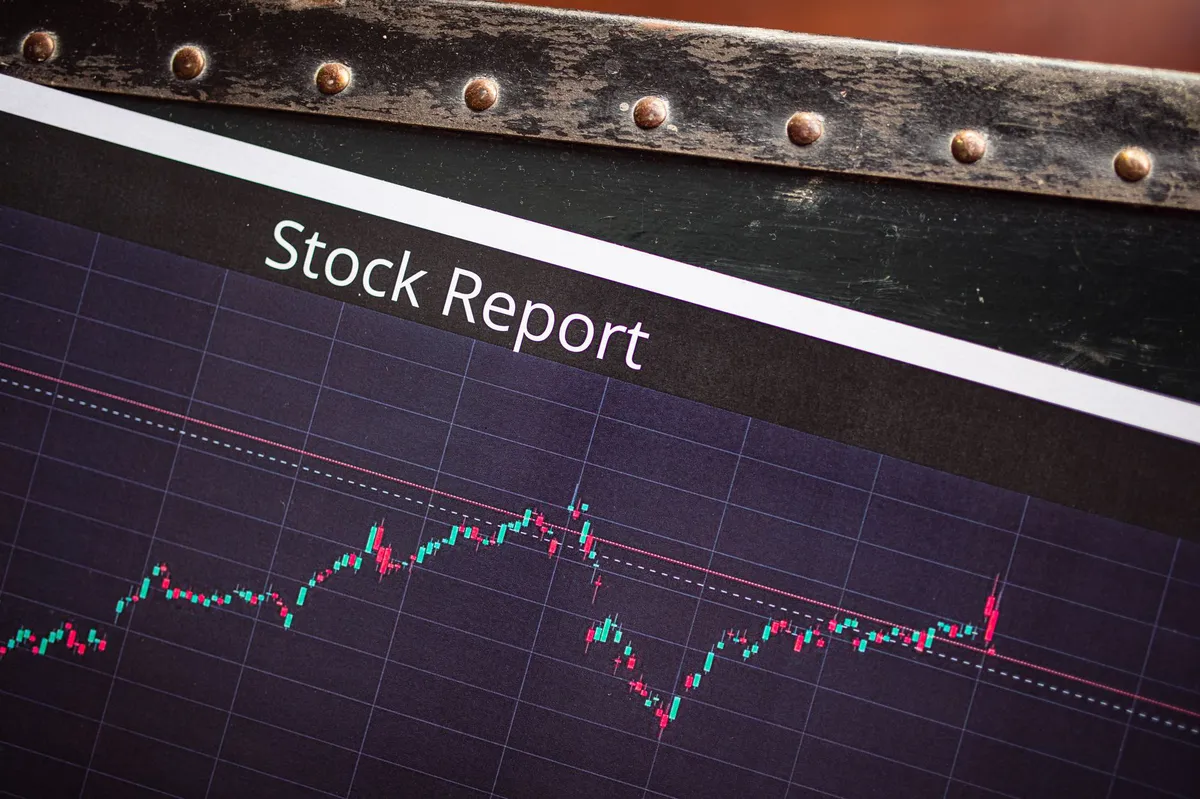
As of now, the technology sector alone accounts for around 37% of the index's total value. When you factor in the communications sector, which includes giants like Meta and Netflix, this concentration rises to almost 50%. Such heavy reliance on a handful of companies makes the S&P 500 increasingly vulnerable to sector-specific downturns. During the dot-com crash from 2000 to 2002, the S&P 500 lost almost half its value, and a similar scenario could unfold if the tech sector falters.

Understanding Concentration Risks
Concentration risks arise when a portfolio is overly weighted in a few assets or sectors. Investors holding a large portion of their assets in the S&P 500 are at risk of suffering significant losses if major companies within the index underperform. Here are some of the concerns:
- Market Volatility: The heavy weighting in technology can lead to increased portfolio volatility, especially in uncertain economic climates.
- Opportunity Costs: By focusing solely on the S&P 500, investors may miss out on potentially lucrative sectors that are currently outperforming the index.
- Recency Bias: Investors may become too reliant on past winners, making them hesitant to explore alternative investments.

Strategies for Diversification
To mitigate the risks associated with heavy investments in the S&P 500, experts recommend diversifying your portfolio. Here are several strategies to consider:
1. Equal-Weighted S&P 500 Index
Instead of investing in a market-weighted S&P 500 ETF, consider an equal-weighted version. This will give smaller sectors, such as consumer staples, energy, and utilities, equal representation in your portfolio, thereby enhancing diversification.
2. Explore Small-Cap and International Equity
Investments in small-cap stocks and international equities have been outperforming the S&P 500 in recent years. For instance, the iShares Core S&P Small-Cap ETF (IJR) and the iShares Core MSCI Emerging Markets ETF (IEMG) are excellent options for investors looking to branch out.
3. Incorporate Dividend-Growth ETFs
Consider holding dividend-growth ETFs, such as the Schwab U.S. Dividend Equity ETF (SCHD). These funds focus on companies with sustainable dividends, providing stability and income while diversifying away from mega-cap tech stocks.
4. Short-Term Bonds and Treasury ETFs
In the current environment of rising interest rates and inflation, shorter-term government bonds are less risky than long-duration options. The iShares 0-3 Month Treasury Bond ETF (SGOV) offers a low-risk avenue to generate income while avoiding the pitfalls of longer bonds.
5. Don’t Forget About Alternatives: Gold and Commodities
Gold and other commodities often have low correlations with traditional asset classes, making them valuable additions to a diversified portfolio. Funds like the SPDR Gold MiniShares Trust (GLDM) provide a cost-effective way to invest in gold.
Assessing Your Exposure to the S&P 500
Understanding your exposure to the S&P 500 is crucial, especially as you approach retirement. Financial experts suggest asking yourself: if the S&P 500 were to drop by 20% tomorrow, would that impact your financial plans? If the answer is yes, you may need to reassess your investment strategy.
It's essential to align your investment choices with your financial goals and timeline. Money that you won't need for a decade can afford to take on more risk, while funds needed in the short term should be allocated more conservatively.
Conclusion
The S&P 500 remains an excellent tool for building wealth, particularly within retirement accounts. However, the current concentration of the index and the potential for volatility necessitate a diversified approach to investing. By considering alternative investments and diversifying across sectors, investors can better navigate the uncertainties of the market while safeguarding their financial future.
Key Takeaways
- Heavy reliance on the S&P 500 increases exposure to concentration risks, particularly in technology.
- Diversification is crucial to mitigate risks and enhance potential returns.
- Consider small-cap and international equities, dividend-growth ETFs, and commodities to broaden your investment portfolio.
- Assess your risk tolerance and exposure to the S&P 500, especially as retirement approaches.
- Align your investment strategy with your financial goals and timeline to ensure long-term stability.
Frequently Asked Questions
What is the S&P 500 and why is it important?
The S&P 500 is a stock market index that measures the performance of 500 of the largest publicly traded companies in the U.S. It is often used as a benchmark for the overall health of the U.S. stock market and is considered a reliable indicator of the performance of large-cap stocks.
How can I diversify my portfolio effectively?
Diversification can be achieved by spreading investments across various asset classes, including stocks, bonds, and commodities. Consider investing in funds that track small-cap stocks, international markets, and alternative assets like real estate or gold to reduce overall portfolio risk.
What are the risks of investing solely in the S&P 500?
Investing solely in the S&P 500 exposes you to concentration risk, meaning your portfolio's performance is heavily tied to the performance of a few large companies. This can lead to higher volatility and potential losses, particularly in a downturn affecting the technology sector.
How should I adjust my investments as I approach retirement?
As you near retirement, it's generally advisable to reduce exposure to high-risk assets and shift toward more stable investments. This may involve reallocating funds from equities to fixed-income securities or dividend-paying stocks to ensure you have reliable income during retirement.
This content is educational and not financial advice.
Comments
Equal-Weight ETFs Gain Traction: A Deep Dive into the 2026 Market Shift
The rise of equal-weight ETFs in 2026 signals a significant shift in investment strategies as investors seek to mitigate concentration risk amid changing market dynamics. This article explores the implications, benefits, and options available in the equal-weight ETF landscape.

Related articles




Popular in Investing
- Navigating the Dismal Landscape of 2026's Worst-Performing ETFs
- Stablecoin Market Faces $10 Billion Decline — What It Means for Investors
- Cotton Futures Surge Despite Increased Production Forecasts
- Avantus Secures $525 Million for Major California Solar Project
- Navigating the Pet Stocks Market: Opportunities Amidst Challenges