U.S. Steel Stocks Surge Amidst Failed Canada Trade Negotiations
The collapse of trade talks between the U.S. and Canada may benefit several U.S. steel companies. As tariffs on Canadian goods rise, stocks like Nucor and Steel Dynamics are poised for a potential rebound.
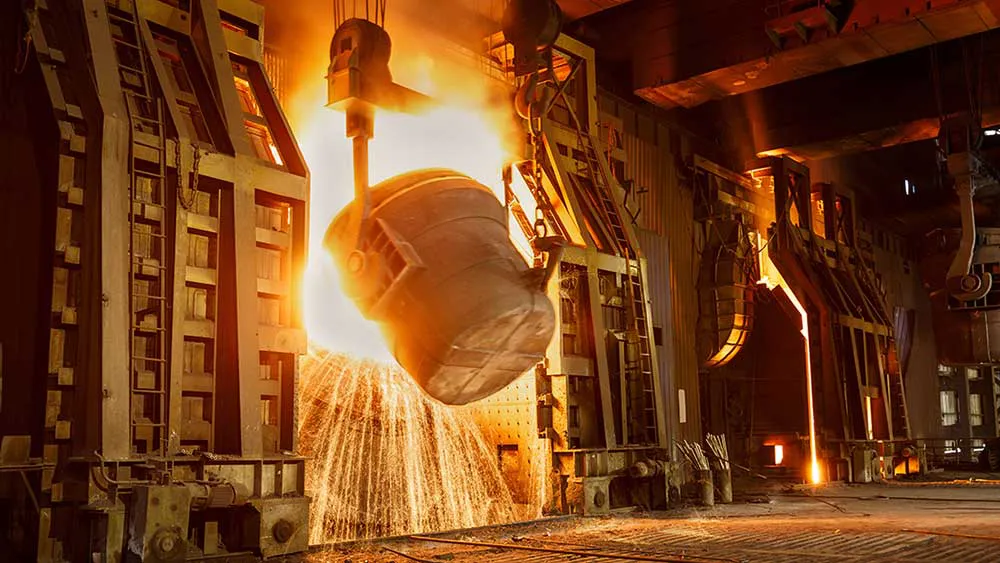
The landscape of the steel industry in the United States is undergoing a seismic shift following the collapse of trade negotiations between the U.S. and Canada. The failure of these talks, which aimed to reduce tariffs on steel and aluminum imports, has sent ripples through the market, particularly impacting major players like Nucor and Steel Dynamics. With the introduction of hefty tariffs on a broad range of Canadian goods, including steel, the future for U.S. steel manufacturers could be brighter than anticipated.
For investors and industry stakeholders, understanding the implications of this trade breakdown is crucial. The U.S. steel market, which has faced numerous challenges in recent years, may now find itself in a position to capitalize on the situation. Let's delve deeper into the reasons behind the recent turmoil, the potential winners, and what this means for the broader market.
Understanding the Trade Talks Collapse
The trade talks between the U.S. and Canada were primarily focused on tariffs that have been a point of contention for both nations. The negotiations aimed to establish a framework that would allow for a reduction in the high tariffs that have affected the steel and aluminum industries. However, the talks recently fell apart, leading to significant repercussions.
New Tariffs Imposed
As a result of the collapse, the U.S. government has enacted new tariffs of 50% on about $20 billion worth of Canadian goods. This includes not only steel and aluminum but also a variety of other products such as:
- Liquor
- Electrical equipment
- Hockey gear
This drastic measure reflects a broader strategy to protect domestic manufacturing and stimulate the U.S. economy by discouraging imports. However, the unintended consequence of this strategy could be a boost for U.S. steel manufacturers, who may find themselves at a competitive advantage.
Who Stands to Gain?
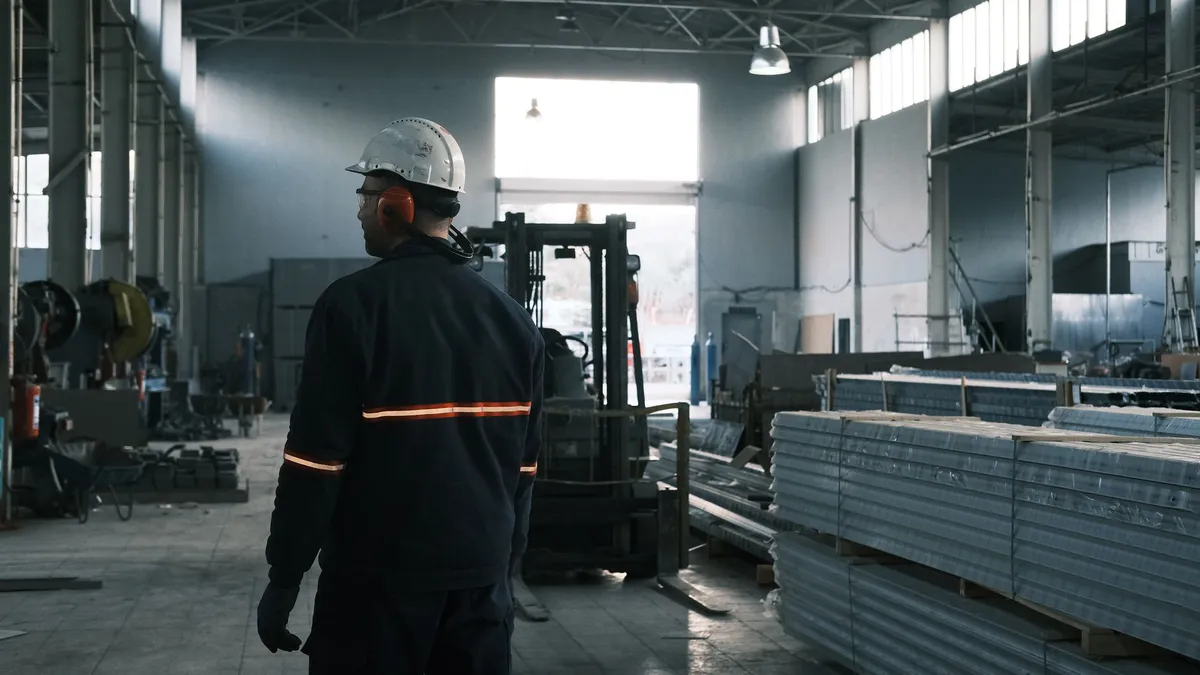
With the increased tariffs on Canadian steel, several U.S. steel companies are likely to benefit significantly. Key players in the market include:
- Nucor Corp: As one of the largest steel producers in the U.S., Nucor is well-positioned to capitalize on reduced competition from Canadian imports.
- Steel Dynamics: Another major player, Steel Dynamics could see increased demand for its products as U.S. companies look for domestic sources of steel.
- Cleveland-Cliffs: As a leading supplier of iron ore and steel, Cleveland-Cliffs is poised for growth in a market that increasingly favors domestic production.
- Century Aluminum: While primarily an aluminum producer, Century Aluminum could benefit from the overall shift towards local sourcing in the metal industry.
These companies are likely to experience not only a rise in stock prices but also an increase in market share as they fill the gap left by Canadian producers.
The Broader Economic Implications
The implications of the trade talks’ collapse extend beyond just the immediate winners in the steel industry. The new tariffs may also impact consumer prices and the overall economy.
Effects on Consumer Goods
Higher tariffs on Canadian goods could lead to increased prices for a range of products. For instance, consumers may see higher prices for items such as:
- Imported liquor
- Electrical appliances
- Sports equipment
These price increases can lead to inflationary pressures, affecting household budgets and spending habits. As consumers adjust to the new pricing landscape, the overall demand for goods may fluctuate, potentially impacting other sectors of the economy.

What Investors Should Consider
For investors looking to navigate this evolving situation, there are several factors to consider. The immediate opportunities presented by the rising stocks of U.S. steel companies may be tempting, but it's vital to assess the long-term sustainability of these gains.
Market Volatility
The stock market is inherently volatile, and the steel sector is no exception. Investors should be aware that while companies like Nucor and Steel Dynamics may see short-term gains, the overall market could experience fluctuations based on economic conditions, consumer behavior, and potential retaliatory measures from Canada.
Diversification Strategies
Investors should also consider diversifying their portfolios to mitigate risks associated with sector-specific downturns. Engaging in a mix of investments across various industries can help balance the impact of volatility in the steel sector.

Key Takeaways
- The collapse of U.S.-Canada trade talks has resulted in new 50% tariffs on Canadian goods.
- U.S. steel companies like Nucor and Steel Dynamics stand to benefit from reduced competition.
- Consumers may face higher prices on a range of goods as tariffs take effect.
- Investors should be cautious of market volatility and consider diversification.
Frequently Asked Questions
What specific products are affected by the new tariffs?
The new tariffs primarily affect steel and aluminum products from Canada, but they also extend to a variety of consumer goods including liquor, electrical equipment, and sports gear. This broad range of affected products highlights the comprehensive nature of the tariffs and their potential impact on both industries and consumers.
How will these tariffs impact the U.S. economy in the long run?
In the long term, the tariffs could lead to a more self-sufficient steel industry in the U.S., reducing dependence on foreign imports. However, they may also contribute to higher consumer prices and inflation, which could negatively impact economic growth. The balance between domestic production benefits and consumer costs will be crucial in determining the overall economic impact.
Are there risks associated with investing in steel stocks?
Yes, investing in steel stocks carries inherent risks, particularly due to market volatility and potential changes in government policy. Additionally, if the economic conditions shift or if Canada retaliates with its own tariffs, the profitability of U.S. steel companies could be adversely affected. Investors should perform thorough research and consider their risk tolerance before investing in this sector.
What should I do if I’m a consumer concerned about rising prices?
If you are concerned about rising prices due to new tariffs, it may be wise to budget accordingly and consider alternative products that may not be subject to these tariffs. Additionally, staying informed about market trends and potential price changes can help you make better purchasing decisions in the future.
Disclaimer: This content is educational, not financial advice.
Comments
Equal-Weight ETFs Gain Traction: A Deep Dive into the 2026 Market Shift
The rise of equal-weight ETFs in 2026 signals a significant shift in investment strategies as investors seek to mitigate concentration risk amid changing market dynamics. This article explores the implications, benefits, and options available in the equal-weight ETF landscape.

Related articles




Popular in Investing
- Navigating the Dismal Landscape of 2026's Worst-Performing ETFs
- Stablecoin Market Faces $10 Billion Decline — What It Means for Investors
- Cotton Futures Surge Despite Increased Production Forecasts
- Avantus Secures $525 Million for Major California Solar Project
- Navigating the Pet Stocks Market: Opportunities Amidst Challenges