Meta Settles $18 Billion Lawsuit Over Mental Health Claims
Meta Platforms has agreed to an $18 billion settlement regarding allegations that its social media platforms contribute to mental health issues in children. This landmark decision has significant implications for the tech industry and investors alike.
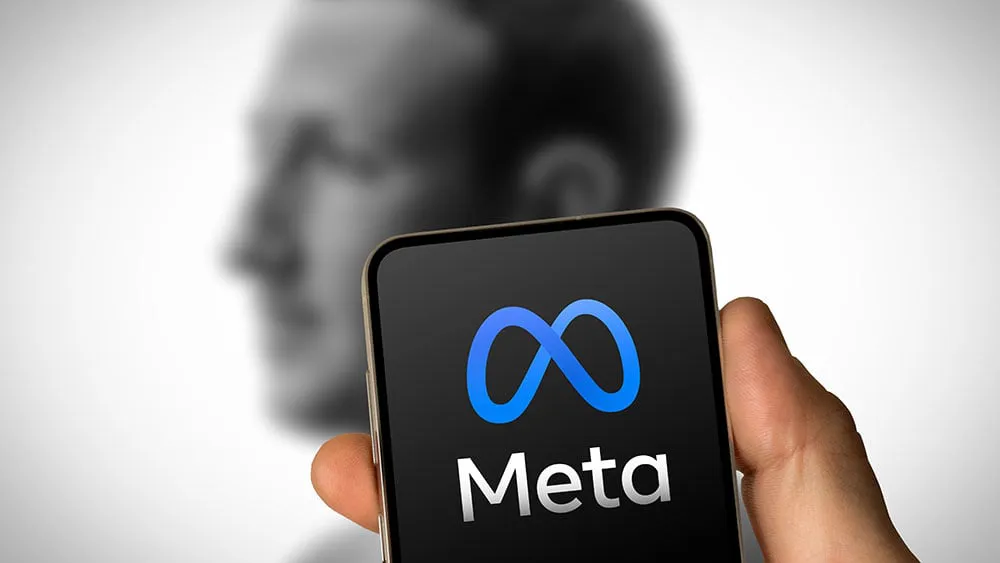
In a landmark decision that could reshape the landscape of social media responsibility, Meta Platforms has agreed to pay a staggering $18 billion to settle a lawsuit brought forth by a coalition of state attorneys general. This case alleges that Meta's popular social media platforms, including Facebook and Instagram, have significantly contributed to mental health challenges among children and adolescents. Such an unprecedented settlement not only underscores the growing scrutiny of tech giants but also raises critical questions about the future of social media regulation and its impact on investors.
The lawsuit, which has attracted national attention, highlights a concerning trend among youth using social media. Reports have linked excessive social media use to issues such as anxiety, depression, and body image disturbances, particularly among impressionable teenagers. As more states take action against tech companies, the implications of this settlement could extend far beyond Meta, influencing how the entire industry approaches user safety and mental health.
The Context Behind the Settlement
This settlement stems from a series of investigations initiated by state attorneys general who sought to hold Meta accountable for the alleged harm its platforms cause to young users. The complaints included testimonies from mental health professionals and studies indicating that children who spend excessive time on social media are at a greater risk for developing mental health issues.
The Legal Landscape
The legal action against Meta is part of a broader trend where tech companies are being scrutinized for their role in public health crises. Previous lawsuits have targeted various aspects of social media, but this case specifically focuses on the mental well-being of minors. The $18 billion settlement is among the largest ever imposed on a technology company, reflecting the seriousness of the claims and the potential long-term impacts on Meta's business model.

Market Reactions and Investor Implications
Initially, Meta's stock reacted positively to the news of the settlement, as investors often view legal resolutions as a way to clear uncertainties surrounding a company’s operational future. However, as the day progressed, the stock price fluctuated, revealing investor hesitance. This back-and-forth movement serves as a reminder of the volatility often present in the tech sector.
Investors must now consider the broader implications of the settlement. With the tech industry under increasing scrutiny, particularly regarding user safety and ethical practices, companies may face rising operational costs to comply with new regulations or to enhance user protections. This could affect profit margins and overall growth potential. Therefore, monitoring how Meta and similar companies respond to these challenges will be crucial for investors.
Impact on Corporate Accountability
The settlement may set a precedent for how social media companies manage user engagement, particularly among minors. As part of the agreement, Meta might be required to implement stricter guidelines and features aimed at protecting younger users. This could include enhanced parental controls, usage time limits, and more transparency about the content users are exposed to.
In addition, the case could embolden other states to pursue similar legal actions against tech giants, potentially leading to a wave of settlements or regulatory changes. As public awareness of mental health issues grows, companies may find themselves under increasing pressure to adopt practices that prioritize user well-being.

What’s Next for Meta?
Moving forward, Meta will need to navigate the complexities of public perception and regulatory expectations. The company has already faced significant backlash over privacy practices, misinformation, and now mental health concerns. This settlement represents a critical juncture for Meta, as it must balance shareholder interests with social responsibility.
Moreover, the company’s leadership will have to address the implications of this settlement in its future strategies. Will they focus on innovation while enhancing user safety, or will they shift toward more conservative approaches to mitigate potential risks? How Meta responds in the coming months will be pivotal not just for its stock performance but also for its brand reputation.

Key Takeaways
- Meta's settlement of $18 billion highlights growing concerns about social media's impact on mental health.
- The case may set a precedent for stricter regulations and corporate accountability in the tech industry.
- Market reactions show investor uncertainty amidst ongoing scrutiny of tech giants.
- Future changes to Meta's platforms could include enhanced protections for younger users.
- The settlement may encourage other states to pursue similar legal actions against tech companies.
Frequently Asked Questions
What prompted the lawsuit against Meta?
The lawsuit was initiated by a coalition of state attorneys general who alleged that Meta's social media platforms, particularly Facebook and Instagram, have contributed to significant mental health issues among minors. This legal action was fueled by growing evidence linking excessive social media use to mental health challenges in youth, prompting regulators to seek accountability from the tech giant.
How might this settlement affect Meta's business practices?
The settlement could compel Meta to implement more robust measures aimed at safeguarding young users on its platforms. Potential changes may include stricter age verification processes, improved parental controls, and features designed to limit screen time. These changes could require investment in new technologies and processes, affecting overall profitability in the short term.
What does this mean for the future of social media regulation?
This landmark settlement may pave the way for increased regulatory scrutiny of social media companies. As more states recognize the potential harms associated with social media usage, there could be a rise in legal actions against tech firms, leading to more comprehensive regulations aimed at protecting users, especially minors.
How should investors respond to this development?
Investors should closely monitor how Meta navigates the aftermath of this settlement. It's essential to assess the company's strategies for addressing regulatory pressures and public concerns. Investors may also want to evaluate the potential long-term impact on Meta's business model, especially if increased operational costs arise from new compliance measures or enhanced safety features.
Disclaimer: This content is educational and not financial advice.
Comments
Unlocking Potential: 3 High-Yield Dividend Stocks to Consider
Amid a rising market, several high-yield dividend stocks are trading near their 52-week lows. Here's a closer look at Crown Castle, Gaming & Leisure Properties, and Smithfield Foods, and why they may warrant further attention from income investors.

Related articles





Popular in Investing
- Navigating the Dismal Landscape of 2026's Worst-Performing ETFs
- Stablecoin Market Faces $10 Billion Decline — What It Means for Investors
- Cotton Futures Surge Despite Increased Production Forecasts
- Avantus Secures $525 Million for Major California Solar Project
- Navigating the Pet Stocks Market: Opportunities Amidst Challenges