Understanding PCE Inflation Data and Its Impact on Monetary Policy
Recent PCE inflation data signals ongoing economic challenges as the Federal Reserve prepares for key discussions at Jackson Hole. This article explores the implications of these figures for monetary policy and market reactions.
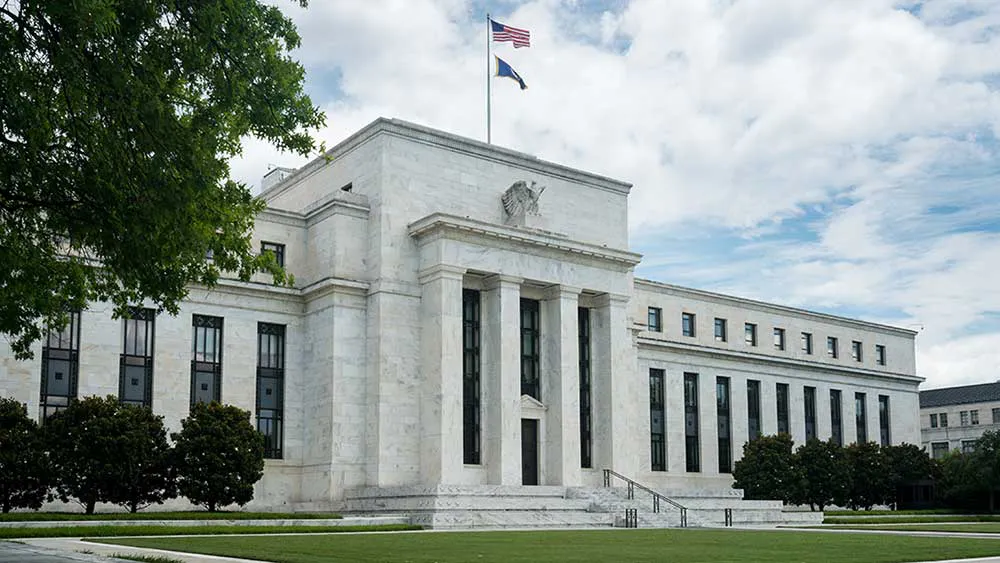
As the Federal Reserve gears up for its annual monetary policy symposium in Jackson Hole, recent inflation data has raised the stakes for policymakers and market participants alike. The core Personal Consumption Expenditures (PCE) price index, which serves as the Fed's preferred gauge of inflation, revealed persistent price pressures that have left many investors on edge. The implications of this data extend beyond mere numbers; they are critical in shaping the Fed's monetary policy and influencing financial markets.
The core PCE index's resilience against inflationary pressures is significant, especially as it comes ahead of a highly anticipated speech from Fed Chairman Kevin Warsh. This year's symposium is particularly important, as it not only highlights the Fed's ongoing battle with inflation but also sets the tone for future interest rate decisions. With S&P 500 futures experiencing slight declines following the data release, it is clear that investors are closely monitoring these developments.
Understanding the PCE Price Index
The core PCE price index measures the average change over time in the prices paid by consumers for goods and services, excluding food and energy prices, which tend to be more volatile. This index is a vital tool for the Federal Reserve as it aims to maintain price stability and full employment, two of its primary mandates.
Why the PCE Index Matters
The PCE index is favored over other inflation metrics, such as the Consumer Price Index (CPI), for several reasons:
- Broader Scope: The PCE index accounts for changes in consumer behavior and includes a wider range of goods and services.
- Dynamic Weighting: It adjusts the weights of items based on how consumers shift their spending patterns.
- Forward-Looking: The index is seen as more predictive of future inflation trends, making it a critical input for policy decisions.
The Current Economic Landscape
As the Federal Reserve approaches its decision-making meeting, the economic landscape is complex. The persistence of inflationary pressures has led to increased scrutiny of monetary policy. The recent data showing no relief in core PCE inflation suggests that the Fed may be under pressure to adjust its strategy, particularly in light of dissent among some Fed voters in previous meetings.
The Role of Interest Rates
Interest rates are a primary tool employed by the Federal Reserve to manage inflation and stimulate economic growth. Currently, the benchmark interest rate is being held steady, a decision that has garnered dissent from three voting members of the Federal Open Market Committee (FOMC). This dissent underscores the divide within the Fed regarding the appropriate response to inflation challenges.
Market Reactions and Future Projections
The slight dip in S&P 500 futures following the PCE data release indicates that investors remain cautious. Market reactions to inflation data can be significant, influencing everything from stock prices to bond yields. If investors perceive that the Fed may take a more aggressive stance on interest rates, it could lead to increased volatility in the markets.
What Lies Ahead for Investors
As the Fed prepares for Warsh's speech at Jackson Hole, investors should consider the following factors:
- Monitoring Inflation Trends: Keeping an eye on future PCE data releases will be crucial for understanding the Fed's potential policy shifts.
- Interest Rate Projections: Analysts will be closely analyzing Warsh's remarks for indications of future interest rate hikes or continued holds.
- Market Sentiment: Investors should be aware of how market sentiment fluctuates in response to Fed communications and economic data.
Key Takeaways
- The core PCE price index remains under pressure, indicating ongoing inflation challenges.
- Fed Chairman Kevin Warsh’s upcoming speech at Jackson Hole is crucial for future monetary policy.
- Market reactions to inflation data are significant and can lead to volatility in stock prices.
- Investors should monitor inflation trends and interest rate projections closely.
Frequently Asked Questions
What is the difference between PCE and CPI?
The Personal Consumption Expenditures (PCE) index and the Consumer Price Index (CPI) are both measures of inflation, but they differ in methodology and scope. The PCE index considers a broader range of goods and services and adjusts for changes in consumer purchasing behavior, while the CPI focuses primarily on a fixed basket of goods and services. As a result, the PCE is often seen as a more comprehensive measure of inflation, which is why the Federal Reserve prefers it for monetary policy decisions.
How does inflation impact interest rates?
Inflation can significantly influence interest rates set by the Federal Reserve. When inflation rises, the Fed may increase interest rates to cool down the economy and bring inflation under control. Conversely, if inflation is low, the Fed may lower interest rates to stimulate economic growth. The goal is to strike a balance that fosters stable prices and full employment, which is a central mandate of the Fed.
What should investors do in response to inflation data?
Investors should remain vigilant in monitoring inflation data and Fed communications. It may be prudent to diversify portfolios to mitigate potential risks associated with rising interest rates and market volatility. Additionally, considering inflation-protected securities, such as Treasury Inflation-Protected Securities (TIPS), can provide a hedge against inflation. Staying informed and adapting investment strategies in response to economic conditions is crucial for long-term financial health.

Why is the Jackson Hole symposium important?
The Jackson Hole Economic Policy Symposium is an annual gathering of central bankers, economists, and policymakers where critical discussions on monetary policy take place. The speeches and insights shared during this event can influence global economic strategies and financial markets. Given its historical significance, the symposium serves as a platform for the Fed to communicate its policy outlook and respond to economic challenges, making it a focal point for market watchers.

Comments
Unlocking Potential: 3 High-Yield Dividend Stocks to Consider
Amid a rising market, several high-yield dividend stocks are trading near their 52-week lows. Here's a closer look at Crown Castle, Gaming & Leisure Properties, and Smithfield Foods, and why they may warrant further attention from income investors.

Related articles






Popular in Investing
- Navigating the Dismal Landscape of 2026's Worst-Performing ETFs
- Stablecoin Market Faces $10 Billion Decline — What It Means for Investors
- Cotton Futures Surge Despite Increased Production Forecasts
- Avantus Secures $525 Million for Major California Solar Project
- Navigating the Pet Stocks Market: Opportunities Amidst Challenges